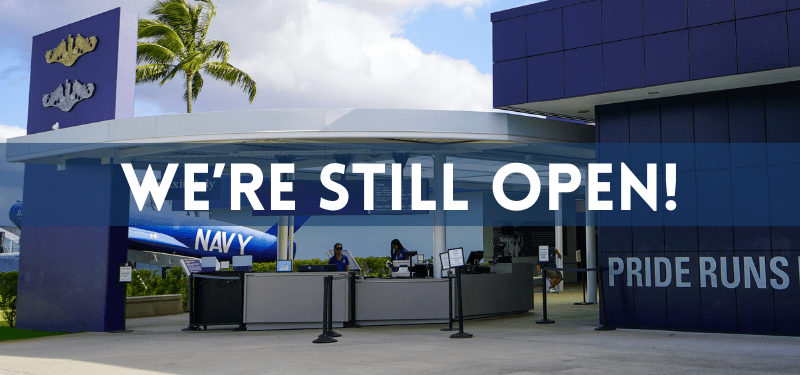
We’re open! Despite the ongoing federal government shutdown, please know that the Pacific Fleet Submarine Museum and USS Bowfin submarine at Pearl Harbor remain open to visitors. During the current shutdown, Pacific Fleet Submarine Museum and its museum partners – Pearl Harbor National Memorial (USS Arizona Memorial), the Battleship Missouri Memorial, and the Pearl Harbor Aviation Museum – have jointly agreed to provide private funding to keep all four Pearl Harbor Historic Sites open.
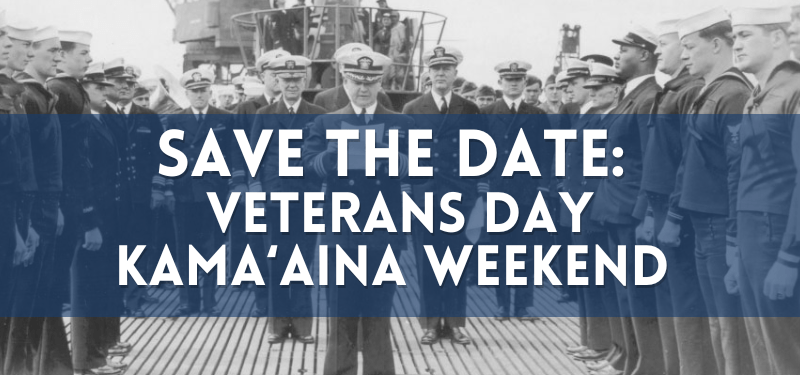
In commemoration of Veterans Day, the Pacific Fleet Submarine Museum will host a special Kama‘aina Sunday during Veterans Day weekend (Nov 8-11). Hawai‘i residents, active-duty service members, retirees, dependents, and veterans are invited to enjoy free admission to the museum.
Please note that up to 6 pre-registered ticketsper party will be allowed. Valid Hawai‘i or military ID must be presented at entry for all adult ticket holders. Ticket reservations will be available soon—stay tuned for details on how you can join us in honoring our veterans.
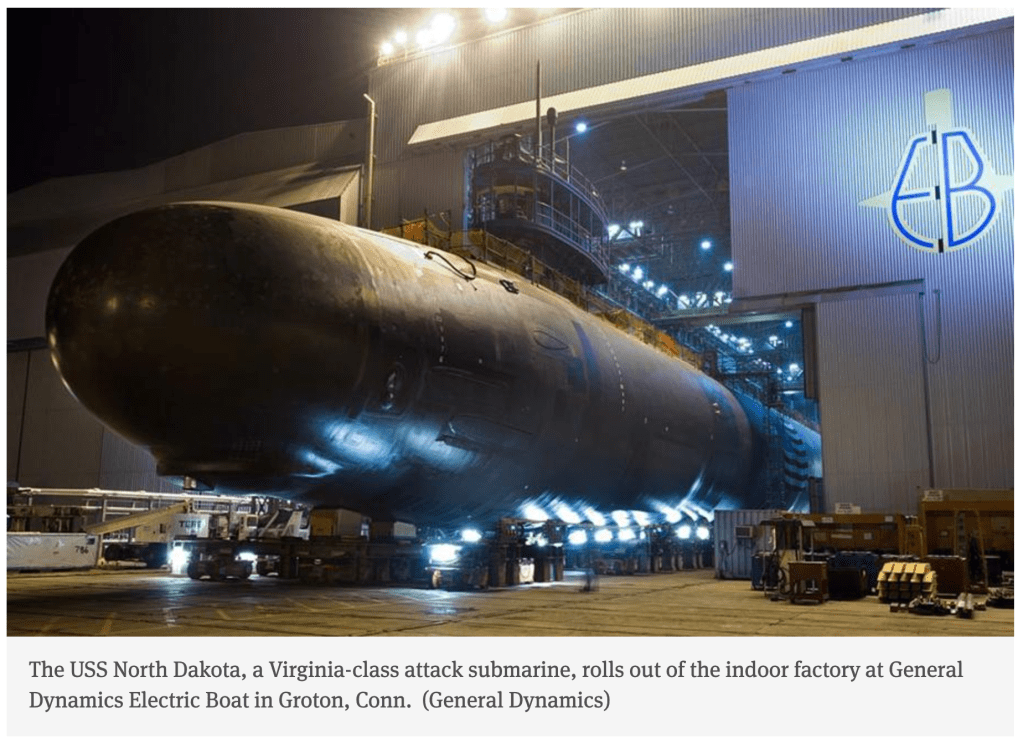
The Navy officially has a new “backbone” of its submarine fleet that is bigger, faster, quieter, and has more endurance and firepower than the Vietnam War-era design it passed by in sheer numbers this past summer.
Admirals, U.S. senators and other VIPs gathered April 5 at Naval Submarine Base New London in Groton, Conn. Sailors in dress blue uniform were given the traditional command: “Man our ship and bring her to life.” They ran up the gangplank to formally commission the new Virginia-class attack submarine USS Iowa.
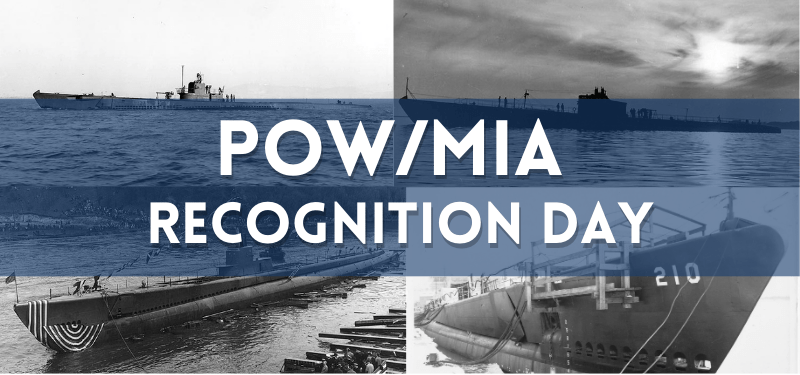
On the 3rd Friday of September each year, we observe POW/MIA Recognition Day, honoring and remembering the brave individuals who served in submarines during World War II and were captured as prisoners of war, including those who never made it home. These submariners, driven by a strong sense of duty, faced tremendous challenges – some enduring captivity in the line of service – with all making sacrifices for their country. Read HERE.
What’s Inside
A Fresh Look at the Pacific Fleet Submarine Museum
The Periscope is a monthly publication of the Los Angeles-Pasadena Base of USSVI.
What’s Inside General Meeting Minutes Tolling the Boats Aboard a Nuke Boat… Dreadnought Keel Laid New Kilo-Class Boat Dex Armstrong Chapter News Calendar Events
“No one stands so tall as when they stoop to help a Child” Abraham Lincoln
Each year K4K Week is celebrated around Veterans Day (November 11th).
Fortunately, more and more Child Health Care Facilities are reopening their doors to us post-COVID.
In addition to other K4K visits made during the year, I encourage USSVI Bases to schedule and make a K4K visit to Kids as close to Veterans Day as possible.
This is done to:
1. Take advantage of a period when Child Health Care Facilities are more likely to welcome visits by Veterans. If your base does not have a K4K Program, it is a perfect time to start one. If your base has a K4K program but is experiencing difficulty accessing a facility, this is a great time to approach them.
2. Obtain local and national recognition of USSVI’s Kap(SS) 4 Kid(SS) Program andlet our communities learn about who we are.
3. Have Sub Vets interact with Children, their families, and facility staff when appreciation for Veterans is at its highest.
4. Bring joy to sick Children, their families, and the Sub Vets who visit them!
“We begin by imagining that we are giving to them; we end by realizing that they have enriched us” Pope John Paul II
Thanks for all you do for sick Children and their families, by participating in this Life Changing USSVI Community Outreach Program!
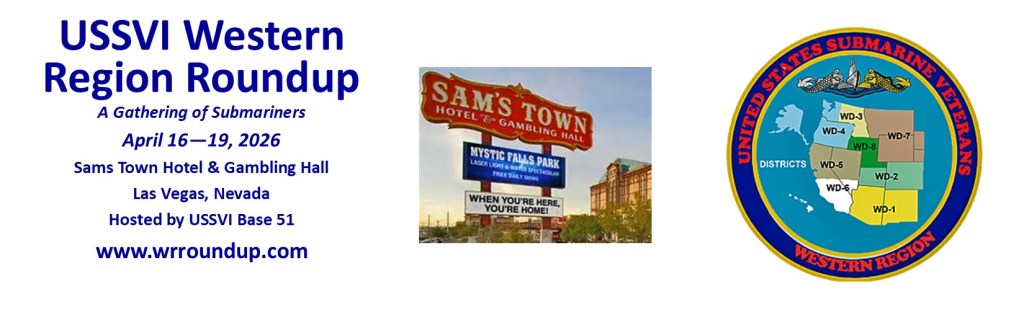
Shipmates, REGISTRATION IS OPEN for the USSVI Western Region Roundup scheduled for April 16–19, 2026 at the Sam’s Town Hotel in Las Vegas and hosted by USSVI Base 51. The preparation is well underway, and the committee is looking forward to holding this year’s event at this exciting casino.
Registering is easy using our online Registration, Hotel and RV Park Booking and Payment system which makes short work of the process. Your early registration will be a great help as we continue with the planning. Register Online Today https://wrroundup.com/.
As always, the goal of the Roundup is to provide a way for all Submariners to gather for their mutual benefit and enjoyment.
We look forward to seeing you there. Western Region Roundup Committee
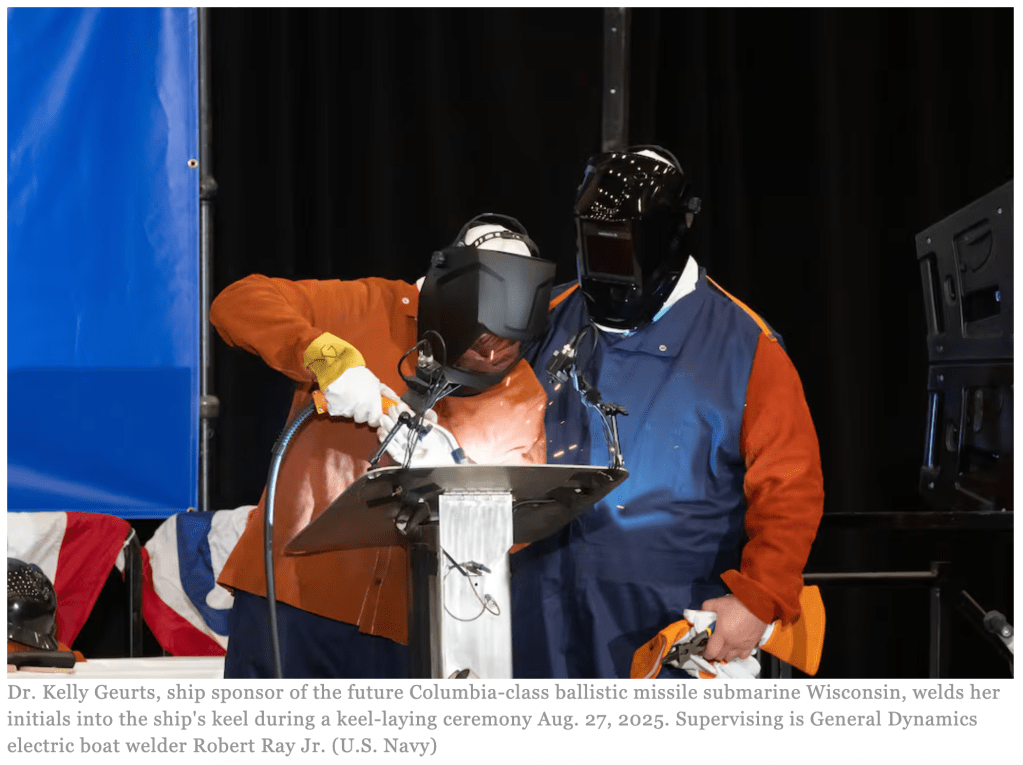
The keel for the U.S. Navy’s second Columbia-class submarine was laid during an Aug. 27 ceremony in Kingstown, Rhode Island, marking the beginning of the sub’s construction.
The vessel, currently designated SSBN 827, will be known as the Wisconsin, becoming the third in a line of warships that served with distinction in U.S. history. The original Wisconsin was the flagship of the Pacific fleet until 1903, while the second was an Iowa-class battleship that fought in numerous World War II Pacific battles and was resurrected twice to serve in the Korean and Persian Gulf Wars. Read More!
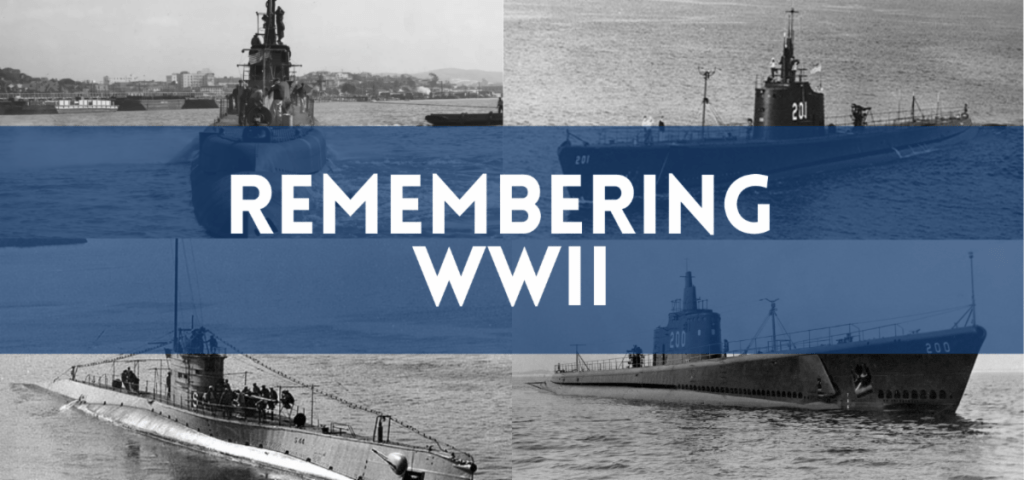
Marking the Anniversary of the End of World War II and the Impact of U.S. Submarine Warfare
September 2nd marks the 80th anniversary of the end of World War II, a moment when the largest global conflict in history came to an end and eventually brought home thousands of American service members after years of brutal combat. September 2nd marks the 80th anniversary of the end of World War II, a moment when the largest global conflict in history came to an end and eventually brought home thousands of American service members after years of brutal combat.
Throughout World War II, submarines played a critical role in the Pacific, especially as the U.S. Navy reeled from the devastation of Pearl Harbor. With much of the battle fleet destroyed or damaged, submarines became one of the few American forces immediately capable of striking back at Japan. Operating from forward bases such as Pearl Harbor, Manila, and later Fremantle and Brisbane, submarines conducted aggressive patrols against Japanese shipping, gathering vital intelligence, and disrupting enemy supply lines. Though plagued at first by faulty torpedoes, submarines still represented a stealthy and persistent threat to Japan’s sprawling Pacific operations. Their ability to penetrate deep into enemy-controlled waters and attack with surprise helped offset the temporary loss of surface superiority, bought time for American rearmament, and set the stage for the broader submarine campaign that would ultimately strangle Japan’s maritime lifelines.
Submarine warfare in World War II evolved from a limited, often experimental effort into one of the most decisive naval strategies of the conflict. At the start of the war, many navies, including the U.S., faced problems with doctrine, unreliable torpedoes, and restrictive rules of engagement. Early submarine operations were cautious and primarily focused on reconnaissance or fleet support. As the war progressed, however, submarine forces shifted to an aggressive commerce-raiding strategy that targeted enemy shipping with devastating effect. Improved tactics, better coordination with intelligence sources such as codebreaking, and advances in technology like radar, sonar, and more effective torpedoes dramatically increased their effectiveness. Although they comprised less than two percent of the U.S. Navy’s personnel, submariners were responsible for destroying 30 percent of the Imperial Japanese Navy fleet during World War II, including eight aircraft carriers, 11 cruisers and a battleship. They also destroyed 60 percent of the Japanese merchant fleet, cutting off crucial supplies to its military forces in the Pacific.
As for the impact made by the U.S. Submarine Force: “If it wasn’t for the bravery and ingenuity of the U.S. Submarine Force, offensive operations in the Pacific would have been significantly delayed, setting the stage to recapture additional territory at the cost of more American military casualties. The history of World War II demonstrated the submarine’s transition from a secondary naval arm to a central weapon of strategic warfare.” said Pacific Fleet Submarine Museum executive director Andrew “Homer” Ring.
The toll among the U.S. Submarine Force, however, was costly. About 20 percent of the American forces were lost, including 52 submarines with a total of 3,506 officers and enlisted men killed. Their bravery and sacrifices are etched in naval history and in the freedoms their service helped protect.
“The anniversary of the conclusion of World War II serves as a tribute to the strength and sacrifice of American service members and workers who participated in our nation’s war effort,” Ring said. “A heartfelt thank you goes out to the Greatest Generation on this 80th anniversary as we celebrate the spirit of freedom and resilience that defines our nation.” Read about Bowfin history HERE.
What’s Inside
Relatives of Bowfin Crewmember Visit Museum National Nonprofit Day
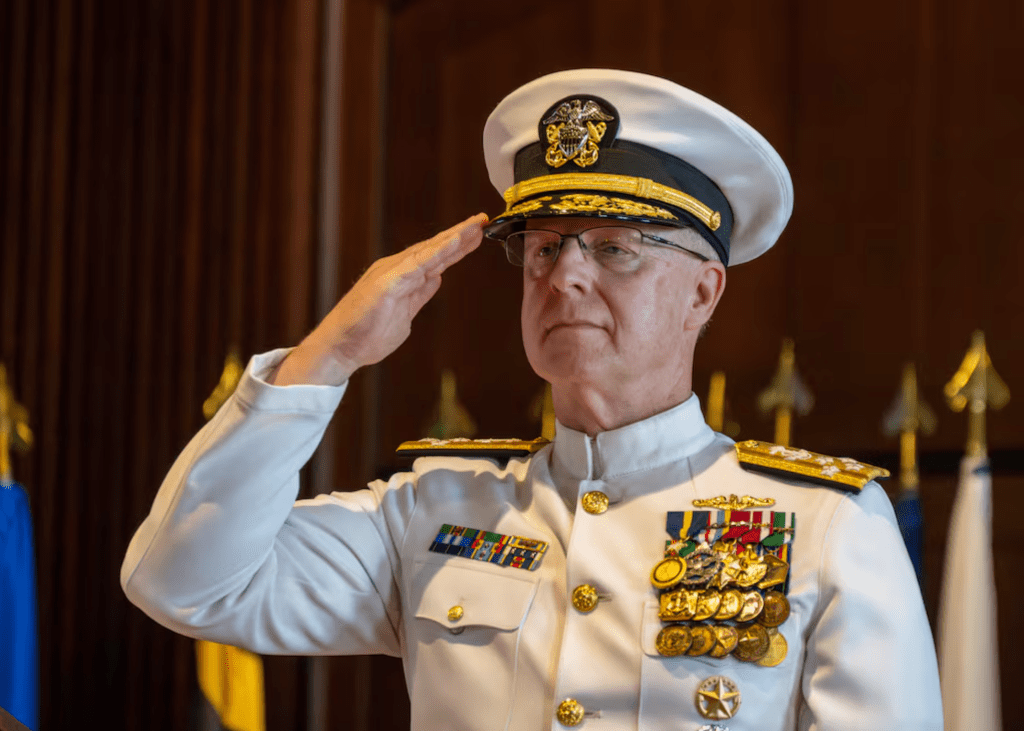
Adm. Daryl Caudle assumes duties as the 34th chief of naval operations during an assumption of office ceremony at the Washington Navy Yard in Washington, D.C., on Aug. 25.
The U.S. Navy confirmed the 34th chief of naval operations during an assumption of office ceremony Monday, according to a Navy release.
Adm. Daryl Caudle, who previously led U.S. Fleet Forces Command for nearly four years, replaced acting CNO Adm. James Kilby at an event at the Washington Navy Yard in Washington, D.C. Kilby took over for Adm. Lisa Franchetti, whom President Trump dismissed in February without a stated reason.
“The Sailor will be front and center in my vision throughout my tenure as CNO — hands down, no exception,” Caudle said during the ceremony, according to the release. “To ensure that they are ready to fight and win decisively–today, tomorrow and well into the future — we will view everything we do we through an operational lens focused on three priorities: the foundry, the fleet and the way we fight.” Read More.


 Bowfin Pearl Harbor Base