Pearl Harbor SubVets March in 77th Annual Kailua Independence Day Parade

Bowfin Pearl Harbor Base | July 4, 2026
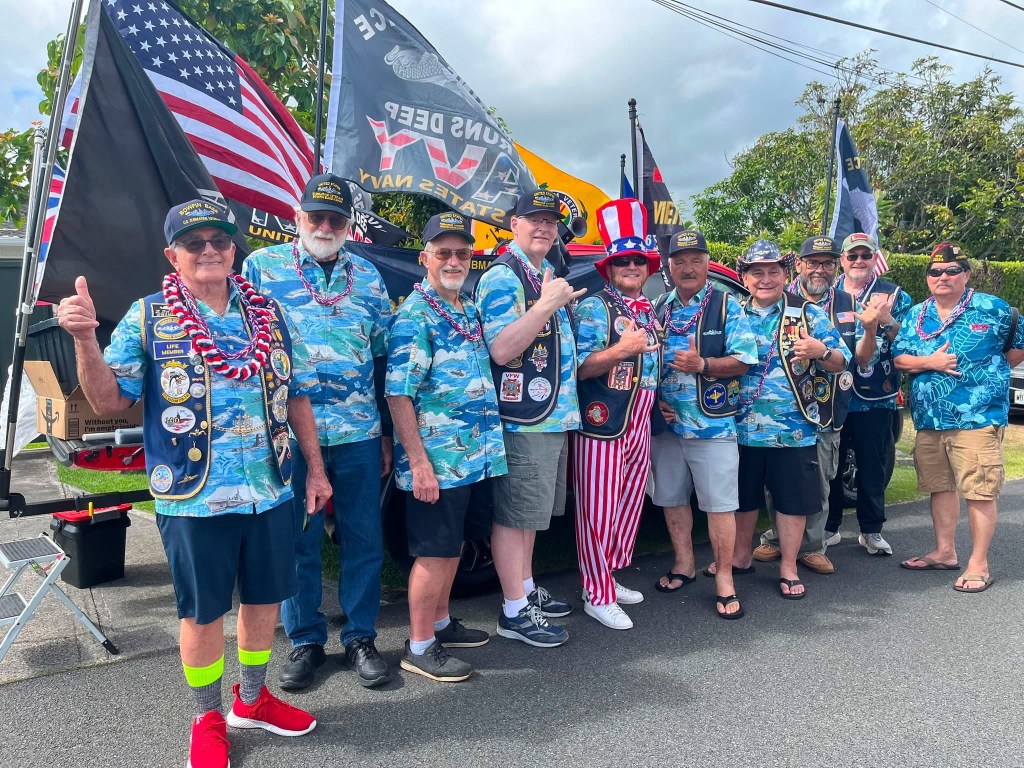
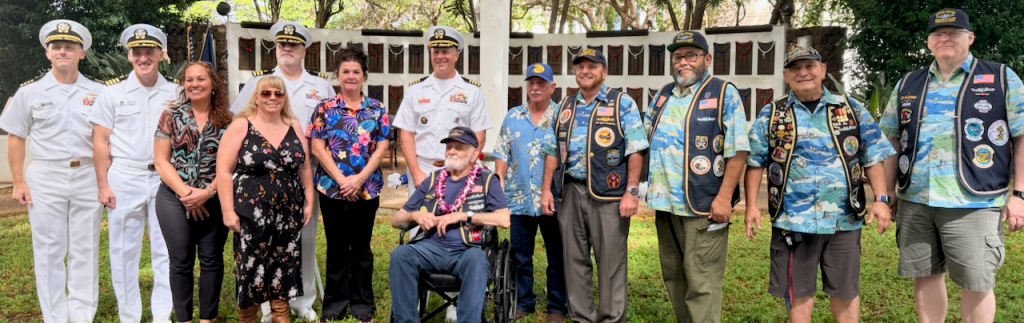
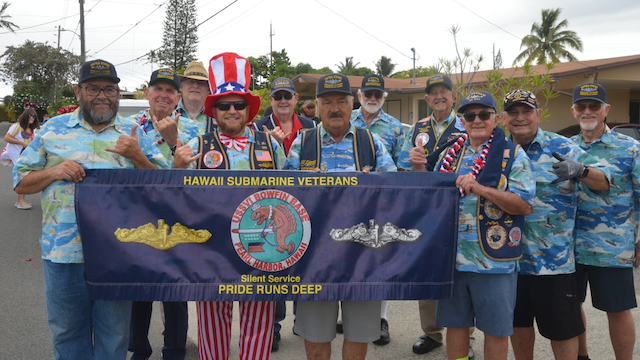
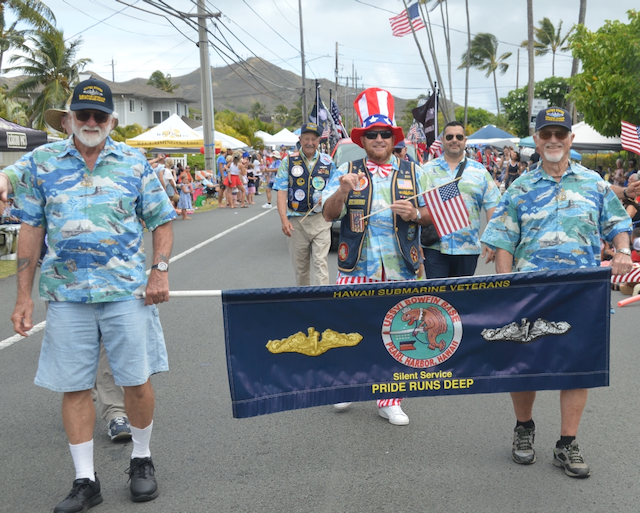
On the morning of Saturday, July 4, 2026, ten proud members of the United States Submarine Veterans, Inc. (USSVI) Bowfin Pearl Harbor Base joined thousands of Windward Oʻahu residents and spectators to march in the 77th Annual Kailua Independence Day Parade. This long‑running community tradition took on special meaning in 2026 as part of America’s 250th birthday celebrations, and Bowfin SubVets were honored to represent the Silent Service in the heart of Kailua.

Under a clear Hawaiian sky, our Bowfin Base contingent stepped off down Kainalu Drive at 10:00 AM, proudly representing America’s submarine veterans before cheering crowds lining the streets. At the head of our entry was Base Commander Paul Jurcsak, leading the group with the steady presence and quiet professionalism that submariners know so well.

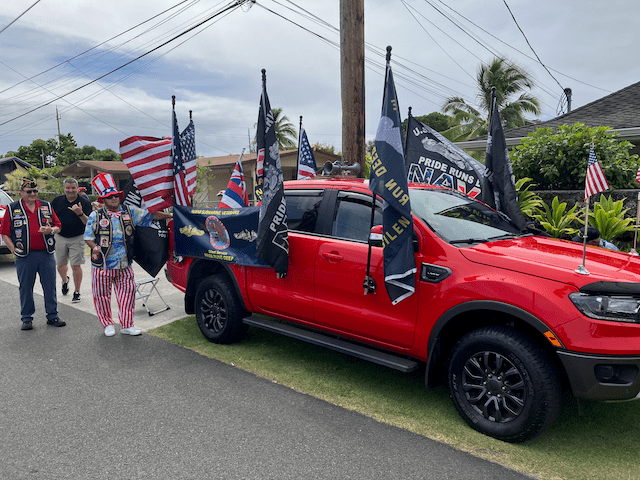
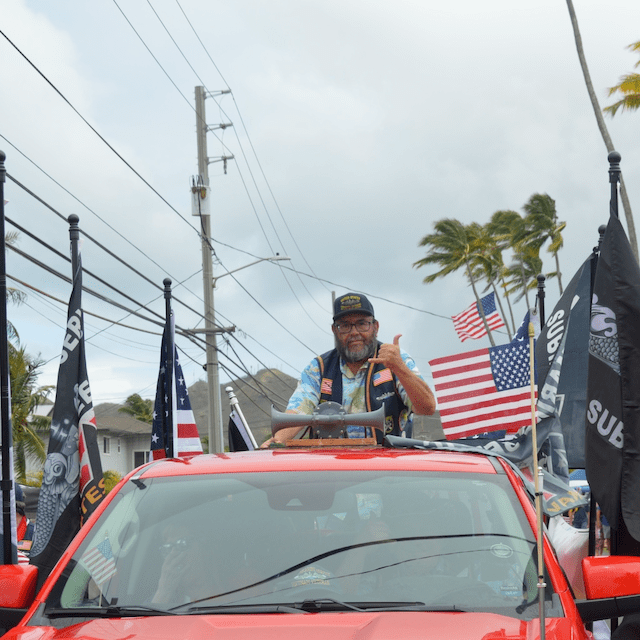
Ferrying the contingent in style was a patriotically decorated truck provided by Base Treasurer Pat Suenaga. Draped with submarine‑themed decorations, Pat’s truck became a rolling tribute to all who have served beneath the waves.

A Special Year: America’s 250th Birthday

This year’s Kailua Independence Day Parade carried the theme “America The Beautiful,” chosen in honor of the 250th anniversary of the founding of the United States as part of the nationwide America250 commemorations. Across Hawaiʻi, parades and fireworks on July 4, 2026 were recognized as official America250 semiquincentennial events, and organizers anticipated record crowds for the 77‑year‑old Kailua tradition.

For submarine veterans, that milestone resonates deeply. The freedoms celebrated on Independence Day are the same freedoms submariners have defended from World War II diesel boats to today’s nuclear‑powered submarines deployed around the globe. In the difficult months after the attack on Pearl Harbor, the Submarine Force carried a disproportionate share of the fight in the Pacific — a legacy remembered every time Bowfin Base members step out in public in their signature vests and aloha shirts.

As they moved down the parade route in Kailua, they did so mindful of the crews and every submarine and shipmate still on eternal patrol. Their participation was a small but meaningful way to tie that history to the living community on Oʻahu’s Windward side.

A Tradition of Service and Presence

Hawaii’s submarine veterans have long participated in the Kailua parade. The 77th Annual Kailua Independence Day Parade continued that tradition, with Bowfin Base adding the unique character of SubVets to a lineup that included marching bands, civic groups, and elected officials walking past Kailua’s front yards.

The ten‑member contingent in 2026 may have been modest in size, but the significance of seeing submarine veterans in the middle of Kailua’s flagship community event was not. Each shipmate who donned his ball cap and vest, and stepped off beside Base Commander Jurcsak helped remind the community that the freedoms being celebrated were bought and preserved by real people — some of whom now call Kailua, and the surrounding areas home.

For those who marched, there was a special pride in hearing children point at the truck and ask their parents, “Are those Navy submariners?”, or their excitement when the heard the submarine klaxon. Those questions and conversations are exactly why Bowfin Base continues to show up when the community gathers.

Mahalo and Fair Winds

The 77th Annual Kailua Independence Day Parade was a celebration of community, country, and shared history — and Bowfin Pearl Harbor Base was proud to be part of it. Fair winds and following seas to all our shipmates, and aloha to the Kailua community for welcoming submarine veterans into your Independence Day tradition.
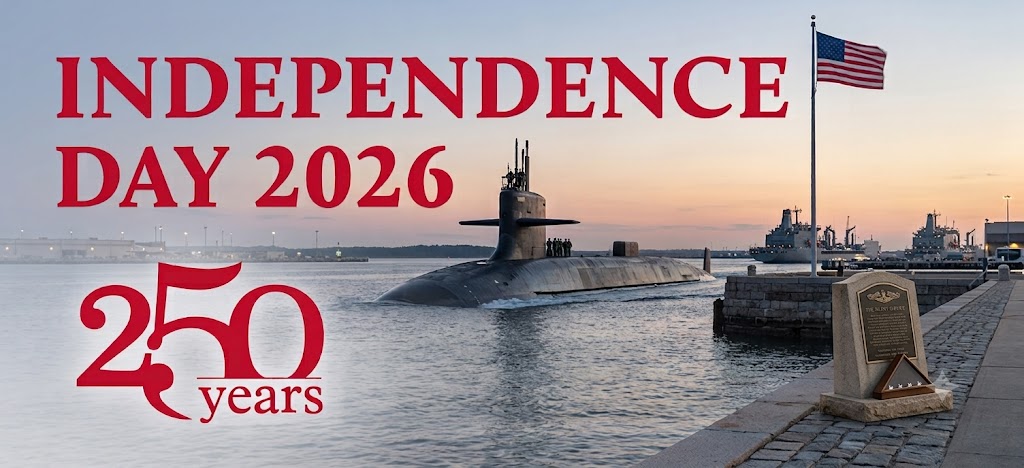
Under the Surface, Guarding the Horizon: 250 Years of the U.S. Submarine Force

As the United States readies to celebrate 250 years of a grand experiment in liberty, innovation, and resilience tomorrow—we naturally look to the skyward monuments, the sprawling battlefields, and the open seas to trace our history. Yet, some of the most critical chapters of the American story were written where the sun never shines.

For two and a half centuries, the United States Submarine Force has served as the nation’s silent vanguard. From a hand-cranked wooden barrel to nuclear-powered titans cruising the deep, the evolution of the “Silent Service” mirrors the evolution of America itself: daring, technologically unmatched, and deeply committed to the defense of freedom.

1776: The Audacious Beginnings

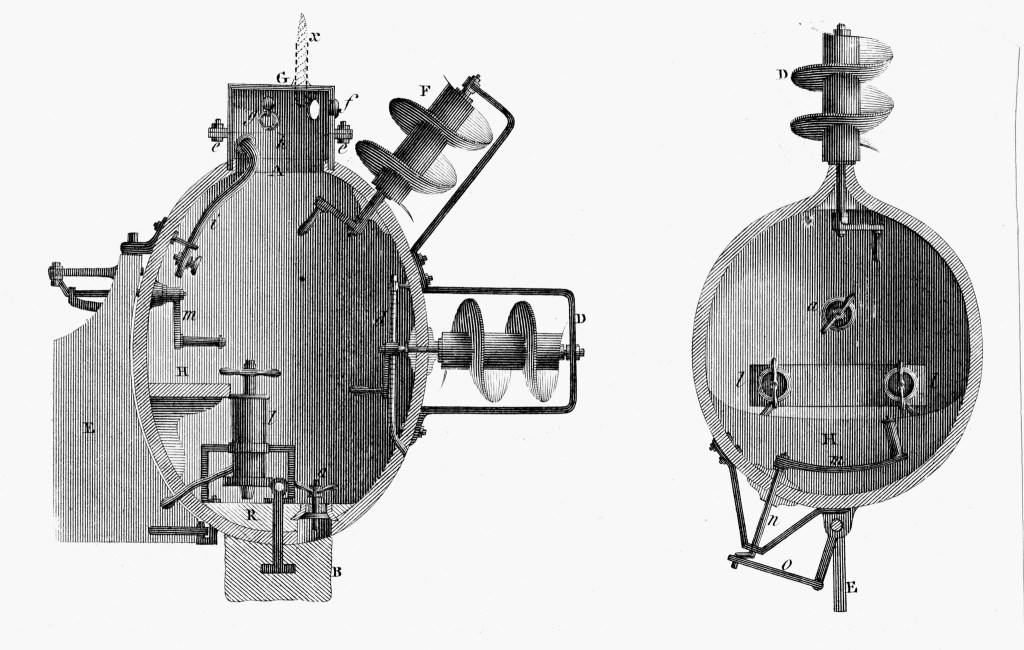
Long before submersibles were a recognized instrument of naval warfare, an American inventor named David Bushnell had a wild idea. In 1776, as George Washington’s continental army struggled against the might of the British Royal Navy, Bushnell created the Turtle.

‘Turtle’, submarine designed by David Bushnell, 1787. Bushnell (1742-1824) built the Turtle, the first American submarine, in 1776. The Turtle was powered by a propeller operated by its single occupant turning a handle and would normally float with approximately six inches of exposed surface. The volume of air in the vessel was sufficient for it to remain submerged for up to 30 minutes. Several unsuccessful attempts were made to use the Turtle to deliver and attach underwater bombs to British warships during the American War of Independence. (Photo by Ann Ronan Pictures/Print Collector/Getty Images)

An oak-and-iron, single-man vessel powered entirely by hand cranks, the Turtle attempted the world’s first submarine attack in New York Harbor against the British flagship HMS Eagle. While the mission didn’t sink the ship, it proved a fundamentally American truth: ingenuity and courage could level the playing field against the world’s greatest empires.

The Crucible of Global Conflict

By World War II, the submarine force had evolved from an experimental novelty into a strategic centerpiece. Though submariners made up less than 2% of the total U.S. Navy personnel during the war, they shouldered a monumental burden.

Operating in perilous, uncharted waters, U.S. submarines cut off critical enemy supply lines across the Pacific.

– They destroyed over 1,300 merchant ships.
– They accounted for 55% of all Japanese maritime losses.
– The cost was devastatingly steep: 52 American submarines were lost, and over 3,500 submariners made the ultimate sacrifice.

Their valor under pressure laid the foundation for the Allied victory, earning the force an enduring reputation for quiet heroism.

1954: Underway on Nuclear Power

As America entered the atomic age and faced the existential threat of the Cold War, the Silent Service underwent a revolution that would change global strategy forever.

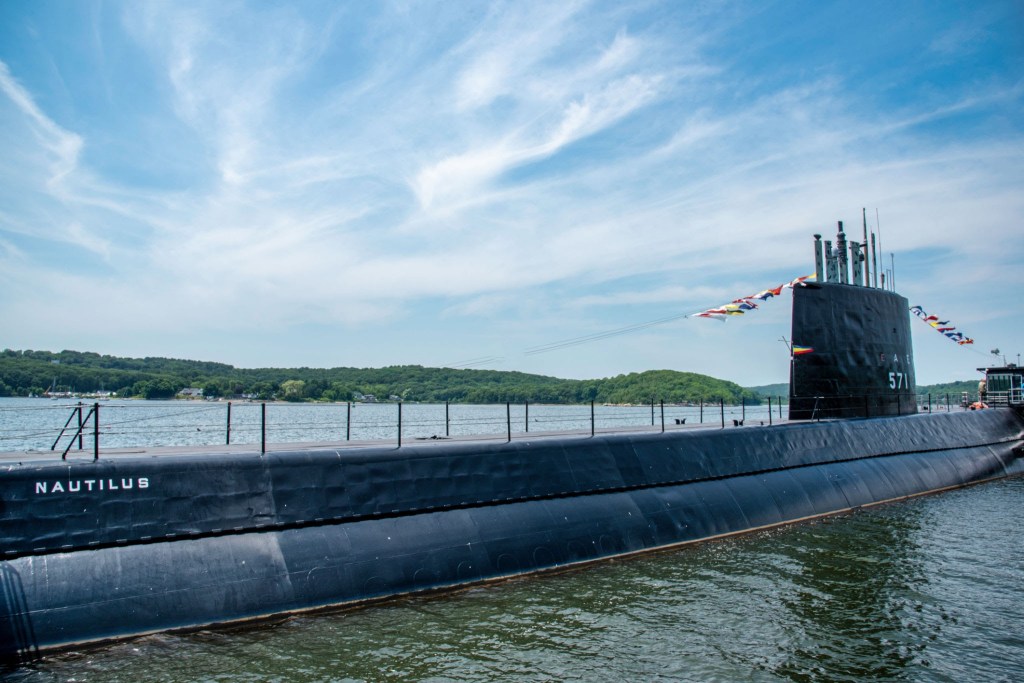
The USS Nautilus (SSN-571) holds a significant place in history as the world’s first operational nuclear-powered submarine. It was constructed by General Dynamics Electric Boat Division in Groton, Connecticut. Its keel was laid on June 14, 1952, and it was launched on January 21, 1954.

After 25 years of service, the USS Nautilus was decommissioned on March 3, 1980. It was designated a National Historic Landmark in 1982. The Nautilus is preserved as a museum ship at the Submarine Force Library and Museum in Groton, Connecticut. It is open to the public and serves as an educational exhibit, highlighting the history and impact of nuclear-powered submarines.

In 1954, the launch of the USS Nautilus (SSN-571)—the world’s first nuclear-powered submarine—shattered all previous limits of naval engineering. No longer tethered to the surface for air or diesel fuel, the Nautilus could remain submerged indefinitely. In 1958, it accomplished the seemingly impossible, transiting beneath the North Pole ice cap.

During the tense decades of the Cold War, the nuclear ballistic missile submarine (SSBN) emerged as the ultimate guarantor of peace. Operating invisibly in the deep ocean, these vessels formed the most survivable leg of the nuclear triad, ensuring deterrence and preventing a third world war through sheer, silent presence.

The Modern Vanguard: 250 Years and Beyond

Today, the legacy of the Turtle and the Nautilus lives on in the ultra-advanced Virginia and Ohio-class submarines, and the emerging Columbia-class.

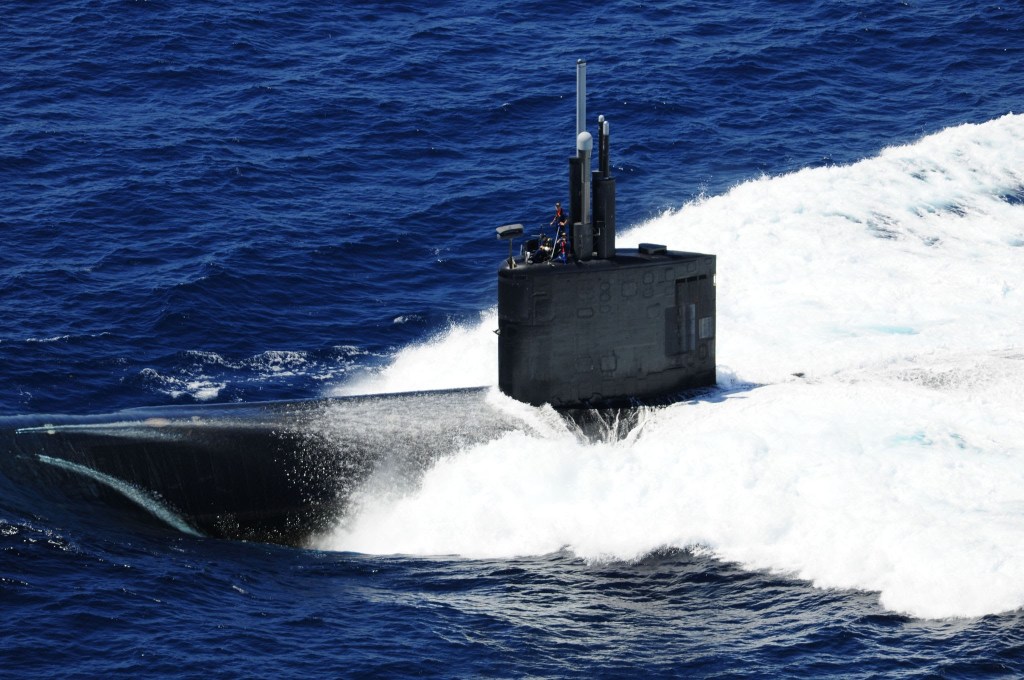
Atlantic Ocean, June 27, 2012 – The fast-attack submarine USS Alexandria (SSN 779) surfaces for a formation sailing event while participating in the War of 1812 fleet exercise.

As the U.S. navigates a complex, modern global landscape, the Submarine Force remains the ultimate instrument of stealth, intelligence, and power projection.

EraKey VesselPrimary PropulsionStrategic Role
1776TurtleManual Hand CrankRevolutionary asymmetric warfare
1941–1945Gato / Balao ClassDiesel-ElectricCrippling enemy supply lines
Cold War–PresentLos Angeles / Virginia ClassNuclear ReactorPower projection, intelligence, deterrence

The strength of the Silent Service has never just been the steel hulls or the nuclear reactors; it is the unique breed of sailors who volunteer to inhabit them. To live for months beneath hundreds of feet of water requires an elite level of trust, discipline, and devotion to duty.

As America reflects on 250 years of triumph, trials, and progress, the nation owes a profound debt to those who watch over the country from the depths—unseen, unheard, but ever vigilant.

Happy Flag Day

The Origins of Flag Day

Flag Day traces its roots to June 14, 1777, when the Continental Congress adopted the resolution that “the flag of the thirteen United States be thirteen stripes, alternate red and white; that the union be thirteen stars, white in a blue field, representing a new constellation”. However, the formal observance of Flag Day as a national holiday took more than a century to develop.

The modern Flag Day celebration began with the dedicated efforts of Bernard J. Cigrand, a 19-year-old schoolteacher in Waubeka, Wisconsin. On June 14, 1885, Cigrand placed a small American flag in an inkwell on his desk and asked his students to write essays about what the flag meant to them, referring to that day as the flag’s birthday. This simple classroom exercise would spark Cigrand’s lifelong campaign to establish a national Flag Day observance.

Cigrand’s advocacy efforts gained momentum throughout the late 1800s and early 1900s. He moved to Chicago to attend dental school and in 1886 published an article titled “The Fourteenth of June” in the Chicago Argus newspaper, publicly proposing an annual observance of the flag’s birth. His persistence paid off when President Woodrow Wilson issued a proclamation on May 30, 1916, establishing June 14 as Flag Day.

Wilson’s proclamation was particularly significant, as it called for Flag Day to be observed “with special patriotic exercises, at which means shall be taken to give significant expression to our thoughtful love of America, our comprehension of the great mission of liberty and justice to which we have devoted ourselves as a people”. The proclamation emphasized Flag Day as “a day of renewal and reminder” for American ideals and principles.

The U.S. Submarine Force Flag Day Connection


USS Nautilus (SSN 571) Christening January 1954

The most significant connection between Flag Day and the submarine force occurred on June 14, 1952, when President Harry S. Truman laid the keel of the USS Nautilus (SSN-571), the world’s first nuclear-powered submarine. This ceremony at the Electric Boat shipyard in Groton, Connecticut, was deliberately scheduled for Flag Day, marking what Truman called “one of the most significant developments of our time”.

In his Flag Day address at the keel-laying ceremony, Truman reflected on the dual significance of the occasion. He noted that June 14, 1777, marked the 175th anniversary of the flag’s adoption, while also celebrating the dawn of the nuclear age in naval warfare. Truman emphasized that the ceremony represented “not because we are starting a new ship for war, but because we are making a great advance in use of atomic energy for peace”.

The symbolism was profound: on the same date that commemorated America’s national banner, the nation was launching into a new era of maritime power that would fundamentally alter the strategic balance of the Cold War. Truman declared, “Today, we stand on the threshold of a new age of power”.

The Nautilus went on to make history, becoming the first vessel to reach the geographic North Pole on August 3, 1958, and establishing numerous speed and distance records during its 25-year career. The submarine’s achievements validated the revolutionary technology that was born on Flag Day 1952.

In Summary

Submarine operations, by their very nature, often occur far from public view, making the symbolic connection to the flag even more important. The submarine force’s motto of operating “Unseen and On Scene” emphasizes how submarines serve as silent guardians of American interests while carrying the flag into the world’s most remote and dangerous waters.

The intertwined history of Flag Day and the U.S. Submarine Force represents more than mere coincidence, it reflects the deep connection between American naval tradition and national identity. From the Revolutionary War submarine Turtle to the nuclear-powered vessels of today, submarines have served as extensions of American sovereignty and power projection capabilities.

The Flag Day keel-laying of the USS Nautilus in 1952 created a lasting bond between the national holiday and the submarine force, symbolizing how American technological innovation and naval tradition combine to protect and advance national interests. This connection continues to resonate in contemporary submarine force traditions, ceremonies, and observances that honor both the flag and those who have served beneath it in the silent service.

As the submarine force continues to evolve and modernize, the Flag Day connection serves as a reminder of the enduring values and principles that guide American naval service. The flag that was adopted on June 14, 1777, continues to fly over submarines that patrol the world’s oceans, carrying forward the legacy of those who came before and maintaining the proud traditions of the silent service.

President Reagan’s Remarks at a Flag Day Ceremony in Baltimore, Maryland — 6/14/85 (Video) 

The History of Flag Day

How the Flag Came to be Called Old Glory

National Constitution Center “The History of the U.S. Flag” (Video)

Military Retirement (Video)

“Flag- Folding Ceremony” – Meaning of each Fold (Video)

Robin Williams as the America Flag (Video)

D-Day 82nd Anniversary – All Gave Some, Some Gave All, Lest We Forget!

Video

June 6, 2026

On June 6th, 1944 Allied soldiers, in one of the most pivotal battles of World War II, invaded the French coastline in order to propel German soldiers out of Western Europe and lead the way for victory against the tyrants of that era. Overlord was the largest air, land, and sea operation undertaken before or since June 6, 1944. The landing included over 5,000 ships, 11,000 airplanes, and over 150,000 service men.

 After years of meticulous planning and seemingly endless training, for the Allied Forces, it all came down to this: The boat ramp goes down, then jump, swim, run, and crawl to the cliffs. Many of the first young men (most not yet 20 years old) entered the surf carrying eighty pounds of equipment. They faced over 200 yards of beach before reaching the first natural feature offering any protection. Blanketed by small-arms fire and bracketed by artillery, they found themselves in hell.

 When it was over, the Allied Forces had suffered nearly 10,000 casualties; more than 4,000 were dead. Yet somehow, due to planning and preparation, and due to the valor, fidelity, and sacrifice of the Allied Forces, Fortress Europe had been breached.

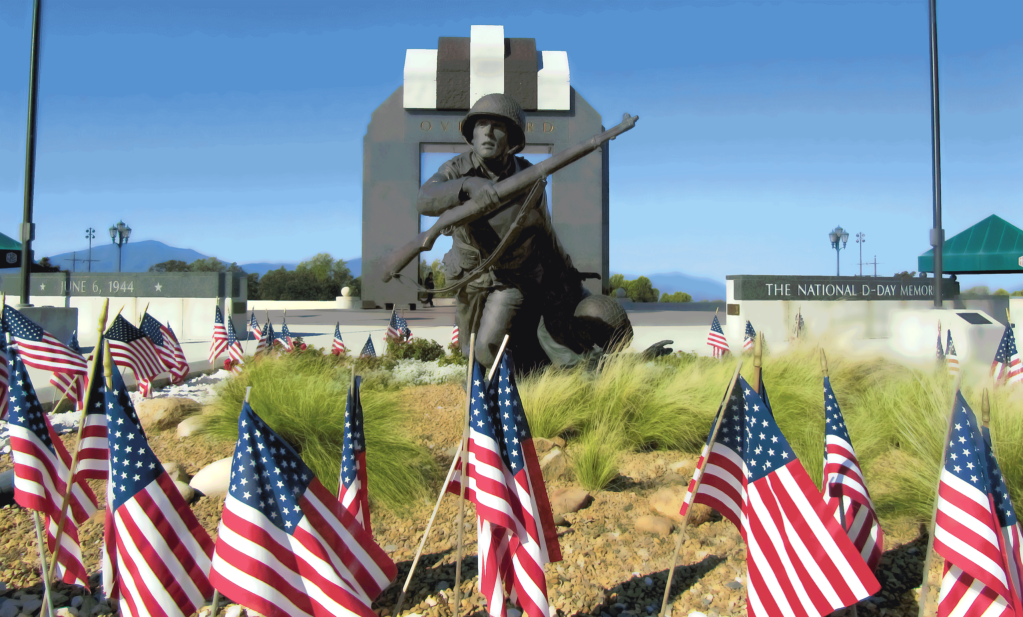
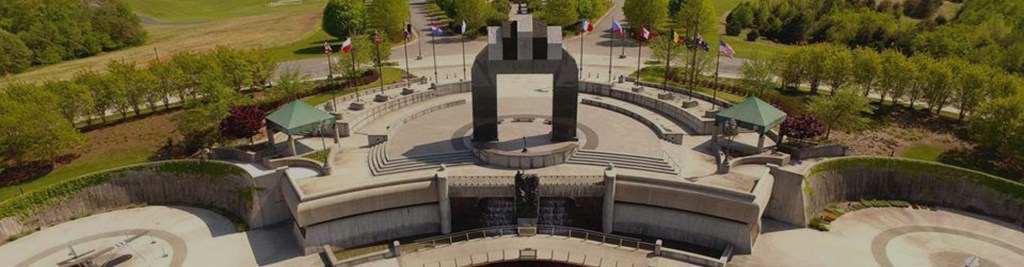
National D-Day Memorial

The National D-Day Memorial is a war memorial located in Bedford, Virginia. It serves as the national memorial for American D-Day veterans. However, its scope is international in that it states, “In Tribute to the valor, fidelity and sacrifice of Allied Forces on D-Day, June 6, 1944” and commends all Allied Armed Forces during the D-Day invasion of Normandy, France on June 6, 1944 during World War II.

National D-Day Memorial Webpage
National D-Day Memorial Video

The “Bedford Boys”

The memorial, bordering the Blue Ridge Mountains in southwestern Virginia, is an area of over 50 acres that overlooks the town of Bedford.

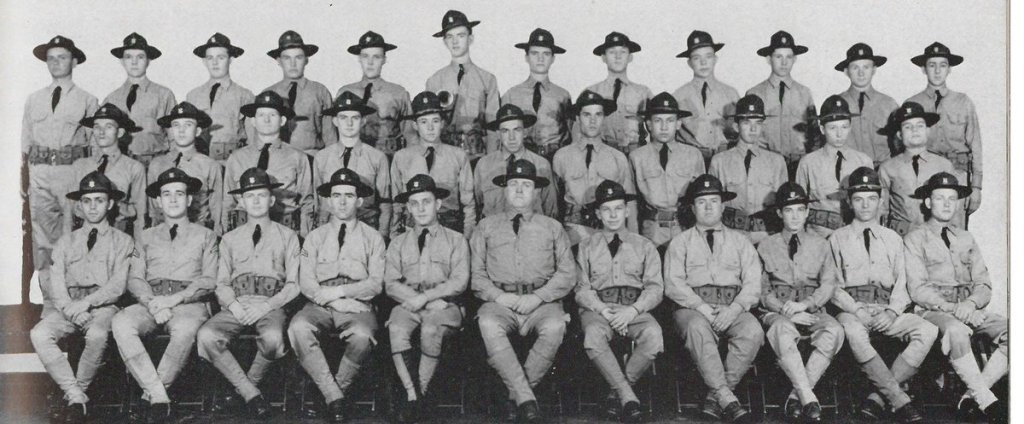
Thirty-four Virginia National Guard soldiers from the town of Bedford were part of D-Day. Nineteen of them were killed during the first day of the invasion, and four more died during the rest of the Normandy campaign. The town and the “Bedford Boys” had proportionately suffered the greatest losses of the campaign, thus inspiring the United States Congress to establish the D-Day memorial in Bedford.

The Bedford Boys included three sets of brothers: twins Roy and Ray Stevens, with Ray killed during the landing while Roy survived, Clyde and Jack Powers, with Jack killed and Clyde wounded but surviving, and Bedford and Raymond Hoback, both killed. The losses by the soldiers from Bedford were chronicled in the best-selling book “The Bedford Boys” by Alex Kershaw, and helped inspire the movie Saving Private Ryan.

The X-Craft and D-Day

The landing at Normandy has come to mark the “beginning of the end” of the war in Europe. The Higgins landing craft has become synonymous with the invasion as the boat that won the war. However, one type of vessel that is often forgotten from the narrative is the British midget submarines that played a key role in the landing efforts.

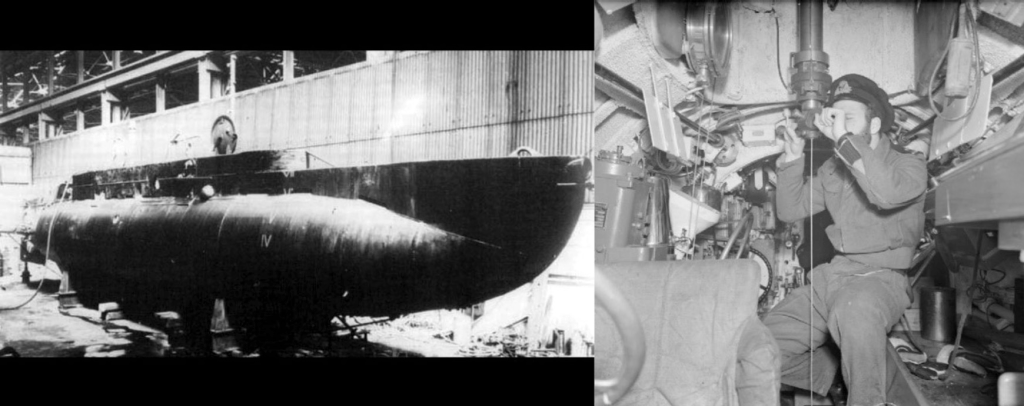
Preparations for D-day were extensive. Operation Neptune, the codename for cross-channel portion of the invasion, under Neptune was Operation Gambit, the use of two X -class British submarines that would mark the ends of the British and Canadian invasion beaches.

The submarine could carry a four-man crew and remain at sea for days. She could dive up to 300 feet. Due to her small size, the X-craft had only one access hatch and a small periscope that was mostly unreliable. Navigation was done through a Browns A Gyro Compass and Auto Helmsman. The X-craft could either be towed by a conventional submarine or launched from the deck of a submarine to reach its intended target. Two 3,570-lb mines were attached to its sides. A hand crank could release them when they were positioned below the hull of an enemy ship. The small crew consisted of one commanding officer, a first lieutenant, an engineer, and a diver.

Two X-class submarines would return to the beaches of Normandy leading up to the invasion to help aid in what would become the eventual downfall of the German troops. HMS X-23 and HMS X-20 would be the first vessels off the shores of Normandy leading up to the attack. Arriving on June 4, the X-crafts fixed their positions and waited for nightfall to surface to begin their mission. It wasn’t until they surfaced that they received the message that the operation had been postponed due to bad weather.

On 6 June at 0445 the submarines surfaced in rough seas. They set up the 18 feet high navigation beacons that each were carrying and switched them on. These shone a green light indicating their position away from the coast, visible up to 5 miles away although undetectable to anyone on land. They used the radio beacon and echo sounder to tap out a message for the minelayers approaching Sword and Juno beaches. The incoming fleet appeared on time and roared past them.

Operation Gambit was a success, the British and Canadian forces were able to land on their respective shores without falling off course or hitting any rocks, thanks to the beacons from the X-crafts.

While the X-20 and X-23, served only a minor role in the D-Day invasion, it shows the vital role a submarine can play in a nation’s arsenal.

Memorial Day: Bowfin Submarine Veterans Honor Fallen Submariners

Bowfin News / 26 May 2026

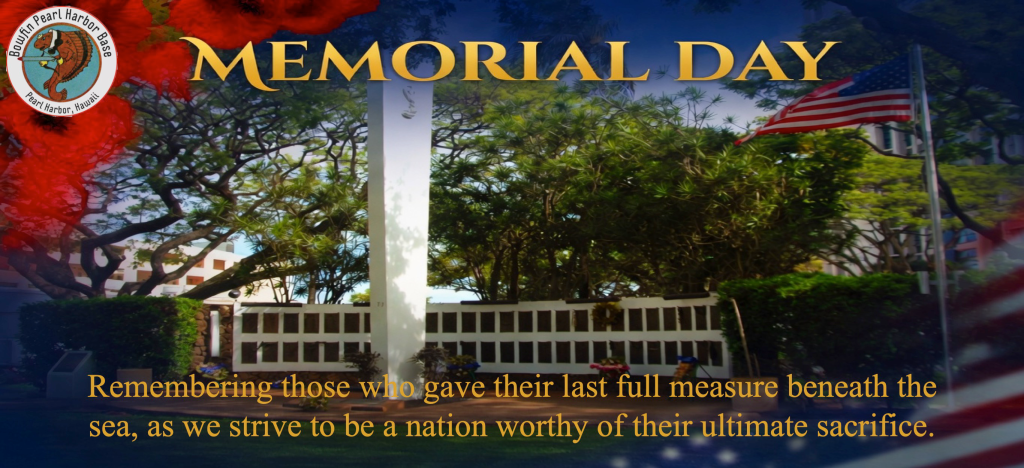
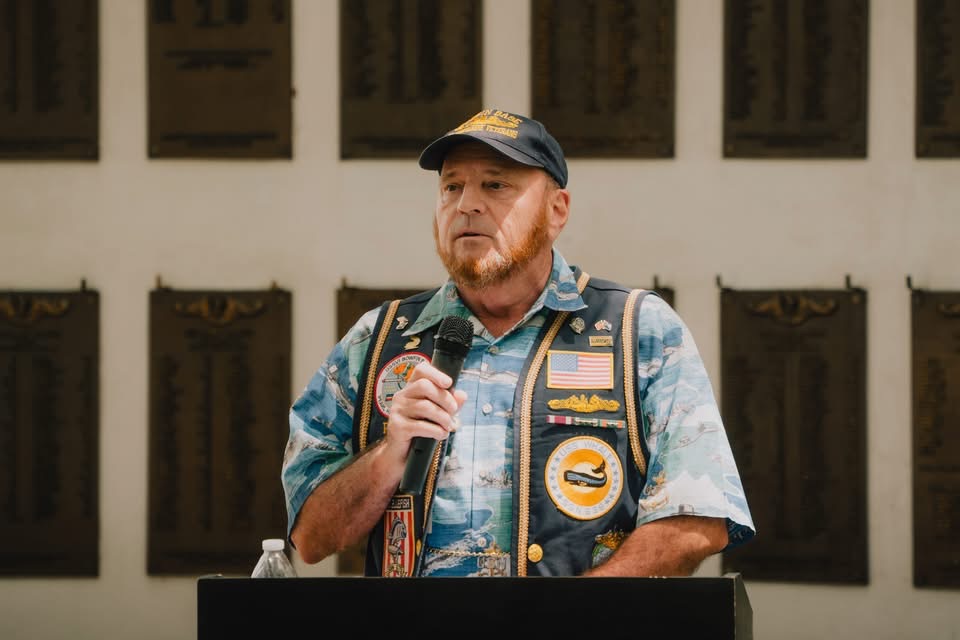
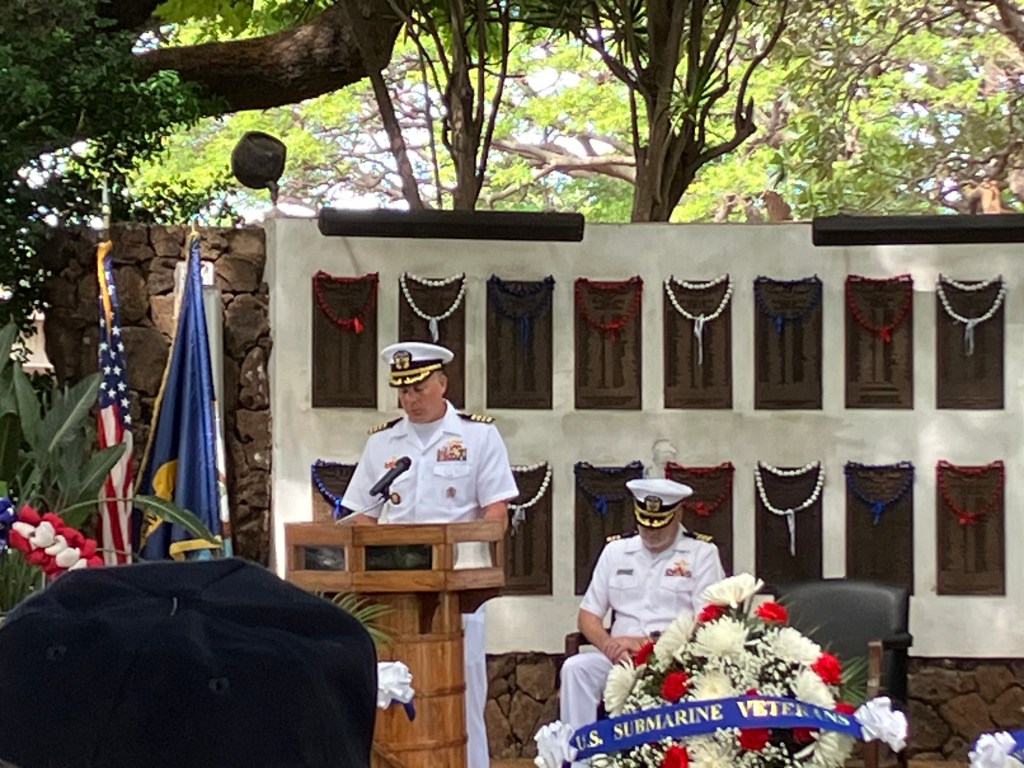
The 2026 Memorial Day commemoration at the Submarine Memorial hosted by Bowfin Pearl Harbor Base Submarine Veterans, brought together veterans, active-duty Sailors, families, and community partners to honor America’s fallen submariners in a solemn ceremony. Bowfin Pearl Harbor Base submarine veterans continue these ceremonies annually with little deviation from the original observance first held at the memorial in 1960, preserving the traditions that have long defined submarine remembrance in Hawai’i.

Setting and Significance

The Submarine Memorial, a site originally dedicated in 1960 to honor submarines and submariners lost during the Second World War. Built to display bronze plaques listing the names of lost World War II submarines and their crews, the ten submarines lost before the war, and the four submarines lost after the war.

Opening of the Ceremony

The 2026 commemoration began with a formal welcome from Bowfin Pearl Harbor Base Commander Paul T. Jurcsak, USN (Retired), who greeted guests and set a tone of remembrance and gratitude. His remarks recognized the historic legacy of the “Silent Service” and the presence of widows, veterans, active duty submariners, and community leaders.

Radford High School Navy Junior Reserve Officers’ Training Corps and scouts from Troops 97 and 797 paraded the 50 state flags, visually representing the breadth of the nation whose fallen were being honored. Members of National Sojourners, led by Hawai’i Regional Representative Jeremy Holloway, then posted the colors, anchoring the ceremony in the traditions of military honor and patriotic respect.

Music, Prayer, and Remembrance

Following the posting of the colors, the U.S. Pacific Fleet Band Brass Quintet, featuring Musician First Class Jonathan Starr, performed the National Anthem as attendees stood in silence. The music provided a dignified tribute and a unifying moment for all present.

Commander Submarine Force, U.S. Pacific Fleet Chaplain Commander Jonathon Uyboco, CHC, USN, delivered the invocation, offering prayers for the fallen, their families, and those still serving beneath the sea. His words emphasized Memorial Day as both a civic duty and a spiritual obligation to remember the cost of freedom.

Tolling the Bell for Lost Boats

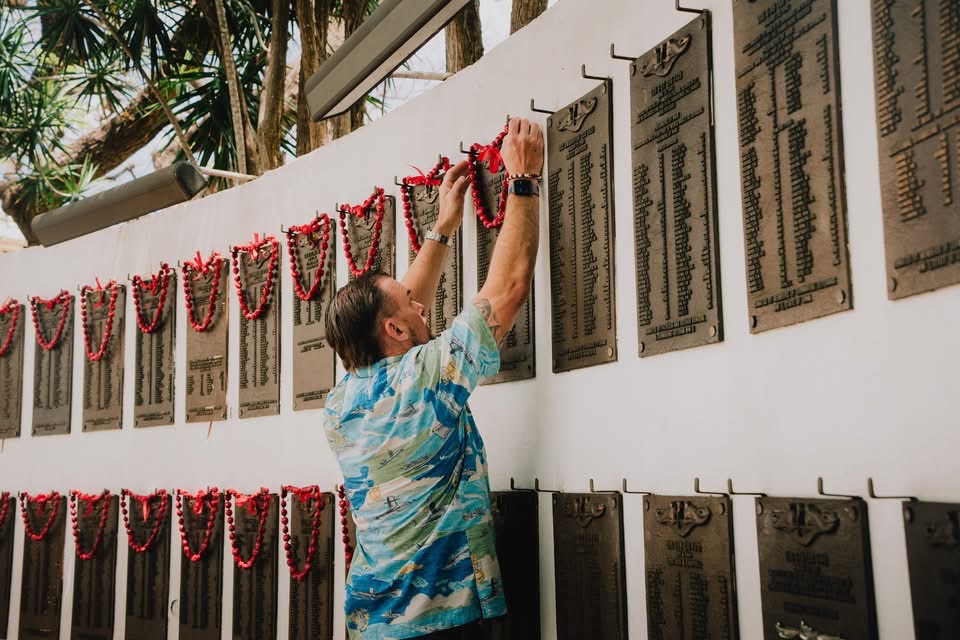
A central feature of the annual observance is the roll call, the solemn tolling of the bell for each U.S. submarine lost. Bell tolling was conducted by Bowfin Pearl Harbor Base Chief of the Boat Gary G. Johnson, CMDCM(SS), USN (Retired), the ceremony followed longstanding submarine tradition: each boat’s name was read and marked by a bell strike, symbolizing both loss and enduring remembrance, and a kukui nut lei was hung from the boat’s plaque.

Special Lei and Wreath Presentations

In keeping with Hawaii’s culture and Bowfin Pearl Harbor Base traditions, the ceremony featured special lei presentations to honor specific submarines and units. A lei was presented for USS Growler (SS‑215), the “Hawai’i State Submarine” lost in World War II, and for Growler’s “Kangaroo Express” service, highlighted by Commander Jason Shegog of the Royal Australian Navy.

Another lei honored USS Seawolf (SS‑197), recognizing her crew and the close ties between the U.S. submarine force and the 1st Filipino Infantry Regiment, represented by VFW Post 1572 and Mrs. Anita Loando‑Acohido.

Wreath presentations followed from Bowfin Base U.S. Submarine Veterans, the Pacific Fleet Submarine Memorial Association, the Naval Submarine League Aloha Chapter, and the Pearl Harbor Submarine Officers’ Spouses Association. Each wreath laid at the memorial symbolized a collective commitment from veterans, families, and community partners—to remember and keep faith with the fallen.

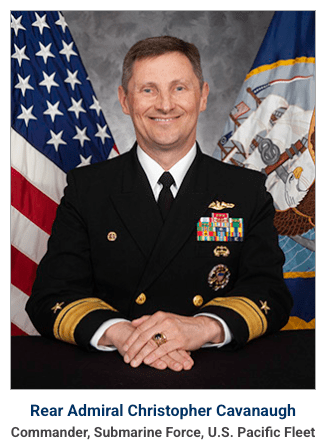
Keynote message from RADM Cavanaugh

The distinguished speaker for the 2026 commemoration was Rear Admiral Christopher Cavanaugh, Commander, Submarine Force U.S. Pacific Fleet. A career submariner and 1993 Naval Academy graduate, Cavanaugh has commanded the attack submarine USS Albuquerque (SSN 706), leading two Western Pacific deployments that earned a Navy Unit Commendation and the Battle Efficiency “E.”

He has also commanded Submarine Squadron 11 and held key assignments in strategy, personnel, nuclear propulsion, and joint budgeting, as well as command of Submarine Group 7, Task Force 54, and Task Force 74 in Yokosuka, Japan. Drawing on that experience, his remarks emphasized the continuity between World War II submariners and today’s undersea warriors, and the enduring responsibility to uphold the ideals for which the fallen served.

Closing Rites and Enduring Tradition

As in previous years, the ceremony concluded with a benediction from Chaplain CDR Uyboco, the U.S. Pacific Fleet Ceremonial Band’s performance of “The Navy Hymn,” and a three‑gun volley rendered by the Joint Base Pearl Harbor–Hickam Navy Honor Guard Detachment under ITC Minami Jones, USN. “Taps,” sounded by MU2 Taylor Yarbrough of the Pacific Fleet Band, brought the gathering to a silent close as attendees reflected on the rows of plaques and the stories behind each name.

In hosting the 2026 Memorial Day commemoration, Bowfin Pearl Harbor Base once again demonstrated its commitment to preserving and continuing these rituals of remembrance. The base has carried out Memorial Day observances at the Submarine Memorial annually with little deviation from the original 1960 ceremony, ensuring that each new generation encounters the same solemn traditions that first honored the submarine force’s World War II heroes who made the ultimate sacrifice for the county they loved.

Honoring a Hometown Hero: Pat Suenaga Leads 2026 Vietnam Veterans Day Commemoration at Punchbowl

Bowfin Pearl Harbor Base | April 6, 2026

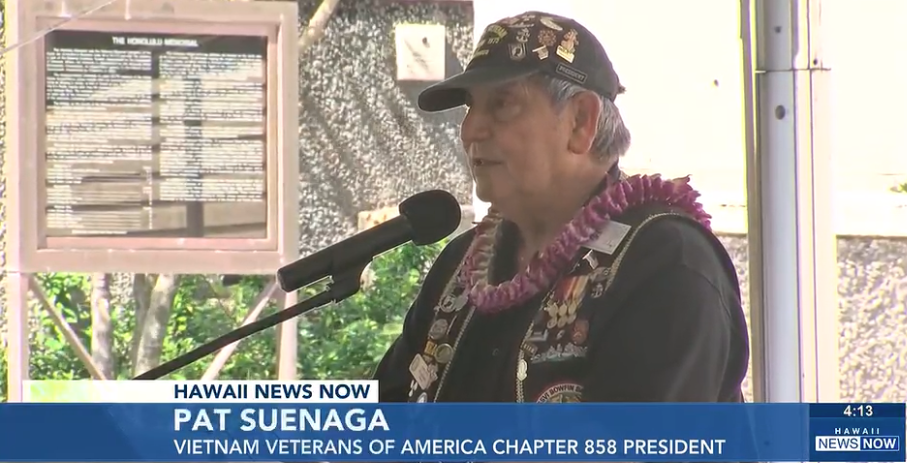
Patrick “Pat” Suenaga’s leadership and life story were at the heart of the 2026 Vietnam Veterans Day commemoration at the National Memorial Cemetery of the Pacific, where veterans, military leaders and families gathered to honor all who served during the Vietnam War era.

A day of remembrance at Punchbowl

On March 27, 2026, hundreds assembled on the grassy slopes of Punchbowl for a solemn ceremony marking National Vietnam War Veterans Day. The extinct volcanic crater, long a sacred place of rest for more than 53,000 American service members, provided a serene backdrop as color guards, wreath bearers and rifle teams moved with precise, unhurried dignity. The message echoed throughout the morning was simple but powerful: after decades of indifference or hostility that many Vietnam veterans faced on returning home, the nation now says, “Welcome Home.”

Pat’s journey to service

At this year’s commemoration, that message was personified by CPO Pat Suenaga, U.S. Navy (Ret.), president of Vietnam Veterans of America Chapter 858 on Oahu and a familiar advocate for veterans across Hawaiʻi. A Honolulu native and graduate of St. Louis School, Suenaga first joined the Hawaiʻi Army National Guard while still in high school in 1972 before a Navy recruiter persuaded him to enter the U.S. Navy’s Nuclear Power Program later that year. He went on to serve aboard multiple ships and submarines in the Pacific at the end of the Vietnam War, part of the final generation of sailors who deployed to the region before the last U.S. combat troops departed South Vietnam in 1973. After being medically retired, Suenaga built a second career in engineering in Los Angeles and then in downtown Honolulu, but he never stepped away from the military community that shaped his life.

A voice for Hawaii’s Vietnam veterans

Today, Pat is a central figure in nearly every major veterans organization on Oahu: he leads VVA Chapter 858, commands Disabled American Veterans Chapter 1, and serves as treasurer for the U.S. Submarine Veterans Bowfin Base at Pearl Harbor. Those roles positioned him to help organize and host the 2026 Punchbowl ceremony, continuing a tradition in which Chapter 858 partners with U.S. Pacific Fleet and other commands to ensure the observance remains both deeply local and nationally significant. At the commemoration, Pat offered opening remarks that wove together his own experience as a young Yonsei—fourth‑generation Japanese American whose family has lived in Hawaiʻi for more than a century—with the broader story of Hawaiʻi residents who fought in Vietnam from plantations, inner‑city neighborhoods and rural islands across the state. His presence underscored how deeply the legacy of the war runs through Hawaii’s communities, from Kalihi, where he grew up and still lives, to the neighbor islands that sent sons and daughters to Southeast Asia.

Ceremony highlights and distinguished guests

The program reflected the joint‑service nature of modern Hawaii’s military, with participation from the U.S. Pacific Fleet Band, joint color guards, rifle teams and wreath‑laying parties representing a wide range of veterans organizations. Rear Admiral (Ret.) Alma Grocki served as master of ceremonies, guiding attendees through a schedule that included a prayer, national and state anthems, an invocation, remarks by Pat, and keynote addresses from Brig. Gen. Phillip Mallory, Deputy Adjutant General of the State of Hawaiʻi, and Maj. Gen. Christopher Faurot, Mobilization Assistant to the Commander, U.S. Indo‑Pacific Command. As wreaths were placed and a rifle volley cracked across the crater, taps rang out over the cemetery, drawing the crowd into a moment of shared silence for the more than 58,000 Americans who died in the conflict and the millions who served during the war era. For many families, including Gold Star relatives and aging veterans who once slipped home in uniform to protests instead of parades, the ceremony was both a recognition long delayed and a chance to remember fallen comrades in the company of those who understand their grief.

Pat’s enduring legacy

Beyond the pageantry, the 2026 Vietnam Veterans Day commemoration highlighted the quiet, steady work Pat has carried out for decades: connecting veterans with health care, encouraging younger generations to understand the cost of war, and keeping Hawaii’s unique military history at the forefront of public memory. Whether coordinating parades in Waikīkī, representing submarine veterans, or standing at Punchbowl to say “Welcome Home” on behalf of a grateful community, he embodies the determination of Vietnam veterans not to be defined only by trauma, but by service to one another and to the state they call home. In honoring Pat’s story, this year’s ceremony affirmed that the legacy of Vietnam is still being written—by veterans who continue to serve, by their families, and by communities like Honolulu that gather year after year on the rim of an ancient crater to remember.

Watch: Hawai’i News Now – War Veterans

2026 Vietnam Veterans Day Commemoration Ceremony Photos

The Parade

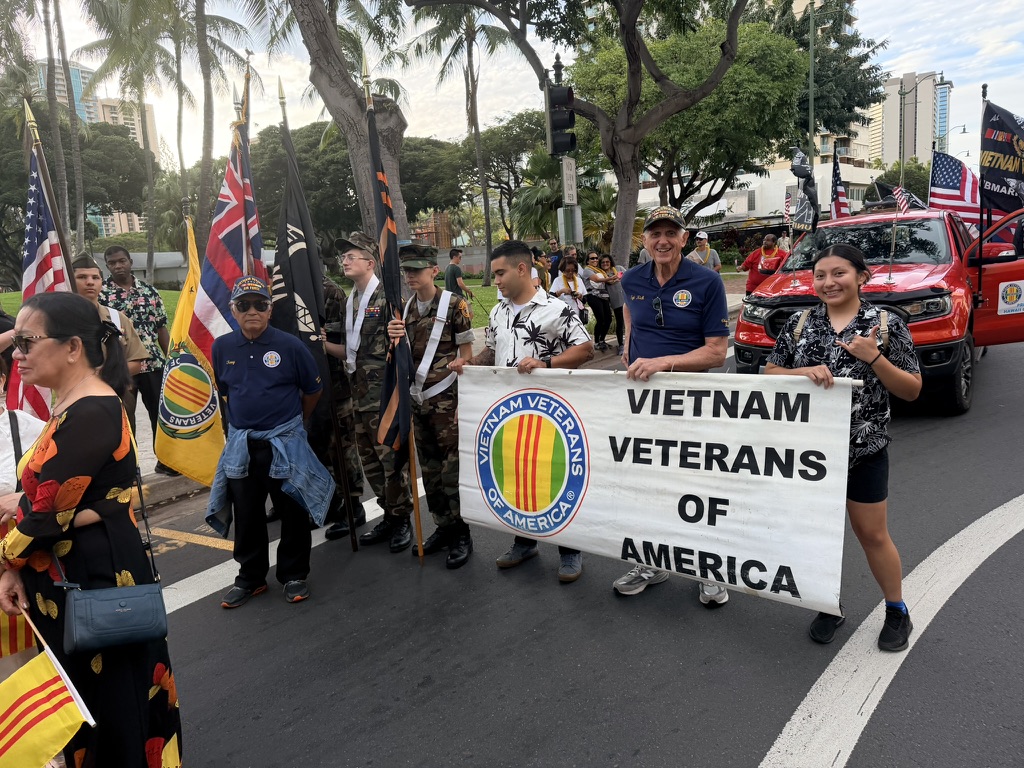
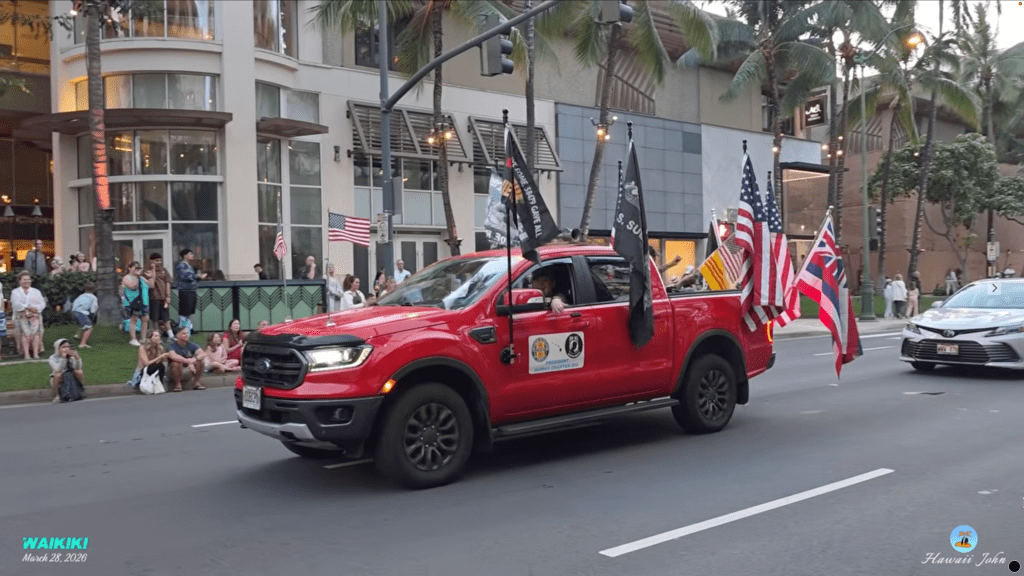
During the Vietnam Veterans Day parade on March 28, 2026, Pat did more than ride along—he turned his decorated truck into a moving tribute to those who served. Covered in unit insignias, flags, and remembrance emblems, the truck became a natural focal point as fellow Vietnam veterans walked proudly ahead of it, holding their banner high. Pat’s steady presence behind the wheel symbolized the support and solidarity he has offered his comrades for decades, while the veterans leading the way showed that their service and sacrifice continue to march at the front of the community’s memory.

2026 Vietnam Veterans Day Parade Photos

2025 Veterans Day Commemoration

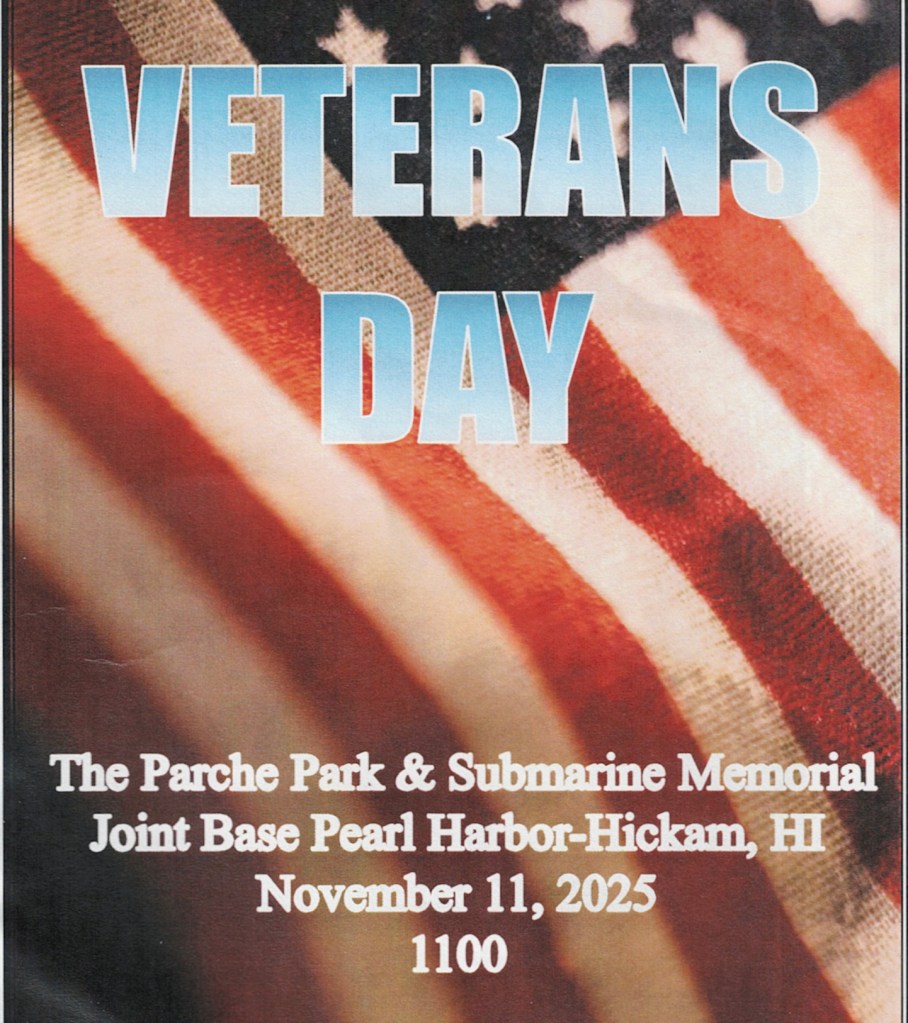
On November 11, 2025 at 11:00am Bowfin Pearl Harbor Base SUBVETs conducted our 61st annual Veterans Day Commemoration ceremony at the JBPHH Submarine Memorial.

Base Commander Paul Jurcsak opened the commemoration. Followed by the Parading of All 50 State Flags by the Radford High School JROTC and Boy Scout Troops 97 & 797G, and the posting of colors by National Sojourners Inc. members. Submarine Readiness Squadron 33 Chaplain CDR John B. Sears, CHC, USN performed the invocation. Everyone in attendance joined together in singing the National Anthem.

Base Commander Paul Jurcsak opened with a special tribute to WWII Submarine Veteran QM2(SS) Carlos Lopez who traveled to Hawai’i to mark his 100th birthday, and took the time to join us for our annual Veterans Day Commemoration. Carlos’ presence was a living testament to the values and sacrifices that built the Submarine Force. Heroes like him inspire all of us to uphold the highest standards of service and dedication.

Note: QM2(SS) Carlos Lopez served on USS Pilotfish (SS-386) during World War II and qualified submarines in 1944 during a war patrol, over 81 years ago.

Paul then led the tolling of the bell for Submarines lost in WWII, while Chief of the Boat Gary Johnson, CMDCM(SS), USN (Ret) rang the bell.

Similar to the first commemoration ceremony in 1964 conducted by the Submarine Veterans of WWII. Led by WWII Submarine Veteran QM2(SS) Carlos Lopez, members of Bowfin Pearl Harbor Base SUBVETs placed red, white, and blue kukui nut leis on the 47 bronze plaques mounted on the wall.

Commodore Fassbender provides keynote remarks.

This was followed by Wreath presentations by Bowfin Pearl Harbor Base SUBVETs, Pacific Fleet Submarine Museum, U.S. Submarine League Aloha Chapter and Pearl Harbor Submarine Officers’ Spouses Association.

Our distinguished guest Captain Jeffrey Fassbender, Commodore Submarine Squadron 7, provided the keynote address.

We closed with the benediction by Chaplain Sears.

Following the ceremony Bowfin SUBVETs and invited guests moved to the Lockwood Lanai for a BBQ lunch.

Originally known as Armistice Day. In 1918, on the 11th hour of the 11th day of the 11th month, an armistice, or temporary cessation of hostilities, was declared between the Allied nations and Germany in World War I, then known as “the Great War.” Commemorated in many countries as Armistice Day the following year, November 11th became a federal holiday in the United States in 1938. In the aftermath of World War II and the Korean War, Armistice Day became legally known as Veterans Day dedicated to American veterans of all wars. There are an estimated 20 million living Veterans today, with approximately 100K in Hawaii.

Veterans Day is a time to honor not just those who have fought for us in battle, but all of the outstanding men and women who served in our nation’s armed forces since our founding 241 years ago.

Not all veterans have seen war, but a common bond that they all share is the oath, to defend the Constitution of the United States against all enemies, foreign and domestic, an oath that expressed their willingness to die defending this great nation. An oath that everyone of them will keep even after exciting active service.
 
Perhaps, most significant in preserving our way of life and defending freedom, are the battles that America does not have to fight.

“The willingness with which our young people are likely to serve in any war, no matter how justified, shall be directly proportional to how they perceive the veterans of earlier wars were treated and appreciated by their nation.” — George Washington

We salute all our veterans who have made this great country possible.
 
God bless you, God bless Hawai’i, and God bless America!

2025 Veterans Day Photos

76th Annual Kailua Independence Day Parade

On Friday, July 4, 2025, members of the Bowfin Pearl Harbor Base proudly joined the 76th Annual Kailua Independence Day Parade, upholding a beloved tradition that continues to unite generations along Kainalu Drive. For over seven decades, the Kailua Independence Day Parade has been a vibrant celebration of unity, patriotism, and community spirit. Since 1970, Bowfin Pearl Harbor Base submarine veterans have been honored participants, symbolizing dedication, service, and the enduring relationship between the military and the local community.

This year’s theme, “Waves of Aloha,” beautifully embodies the ever-present spirit of kindness, unity, and welcome that defines Kailua. Just as ocean waves continuously shape the shoreline, the aloha spirit shapes the community—embracing everyone with warmth, respect, and compassion.

“Waves of Aloha” Highlights:

Enduring Bonds – Celebrating the connections between generations, neighbors, and friends, strengthened through shared traditions and support.

Community Spirit – Uplifting Kailua through acts of generosity, inclusion, and collective energy.

Heritage and Progress – Honoring the past while looking forward, much like the waves that are both timeless and ever-changing.

Military and Civilian Unity – Recognizing the contributions of Bowfin Pearl Harbor Base submarine veterans and all who serve, fostering gratitude and pride.

The Bowfin Pearl Harbor Base submarine veterans are honored to continue their participation in this cherished parade. As we ride the “Waves of Aloha” together, we celebrate not only our nation’s independence but also the enduring spirit of Kailua—a community where aloha flows as freely as the ocean breeze.

More photos HERE.

2025 Memorial Day Commemoration

Video

Bowfin | May 26, 2025

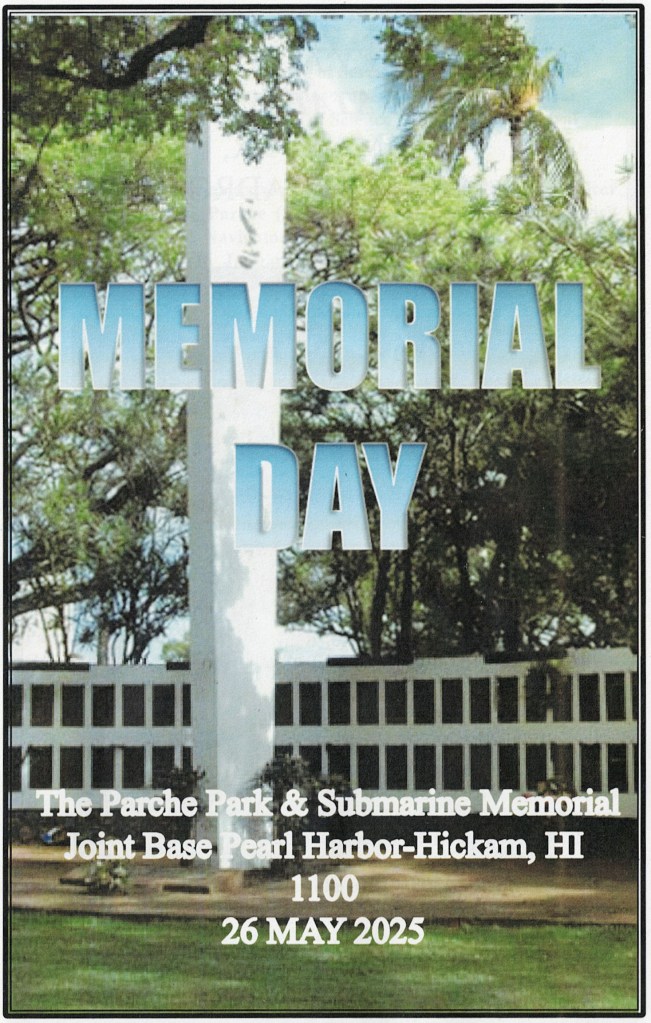
On Memorial Day Monday May 26, 2025 at 1100 hours, dozens of Bowfin Pearl Harbor Base Submarine Veterans, submarine veteran wives and widows, active and retired military members, and friends of the Submarine Force participated in the annual Memorial Day commemoration at USS Parche and Submarine Memorial Park on Joint Base Pearl Harbor-Hickam (formerly known as Submarine Base Pearl Harbor.)

The U.S. Submarine Veterans of World War II assigned a submarine lost during the war to each state of our great nation as their state submarine.  The USS Growler (SS-215) was designated as the State Submarine of Hawaii. After Growler’s fourth war patrol during which Medal of Honor winner Commander Howard W. Gilmore issued his final order to “Take her down!”, sacrificing all for his country and his severely damaged submarine, the Growler made her way back to Brisbane for repairs. USS Growler was dubbed the “Kangaroo Express” by the Australians when, after the extensive and miraculous repairs to the ship’s bow, the Australian shipyards welded a kangaroo coin to each side of her repaired bow. For the Royal Australian Navy, Bowfin Pearl Harbor Base Vice Commander Tim Sparks, CMDCM(SS) (Retired) Gary Johnson presented a lei.

Among the over 3,500 submariners who lost their lives, we have the names of seventeen Filipino U.S. Army Rangers who were lost with USS Seawolf (SS-197). The U.S. Army’s 1st Filipino Infantry Regiment, represented today by Mrs. Anita Loando-Acohido, once again honors our ceremony as they do every year to place a lei on the special plaque engraved with the names of those seventeen heroic Filipinos who went down with Seawolf.

Honoring our ceremony were several organizations presenting flower wreaths. Representing Bowfin Pearl Harbor Base Submarine Veterans – RM2(SS) Dan Del Monte; representing the Pacific Fleet Submarine Memorial Association – Captain (Retired) Homer Ring; representing the Aloha Chapter of the Naval Submarine League – Captain (Retired) Pete Miller; and representing the Pearl Harbor Submarine Officers’ Spouses’ Association – President Kristen Newman and Vice President Jeanine Banyear

In honor of our submarine widows, a single rose was presented to Nancy Kreis.

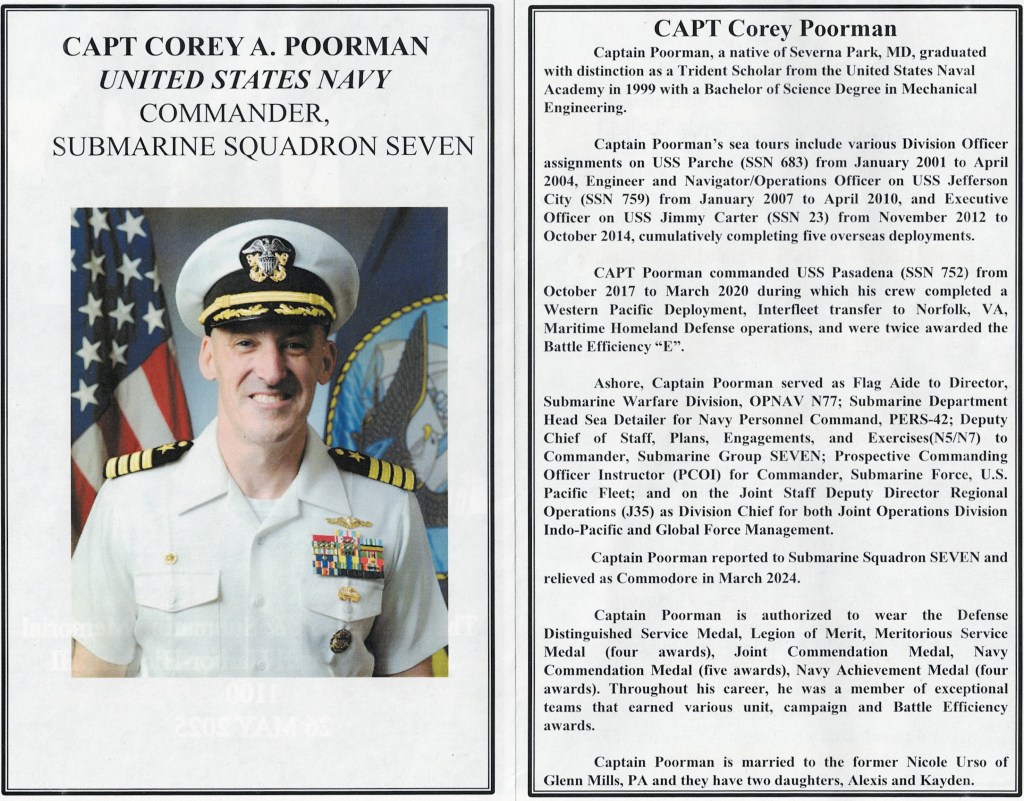
Our keynote address was given by Captain Corey A. Poorman, Commander, Submarine Squadron 7.

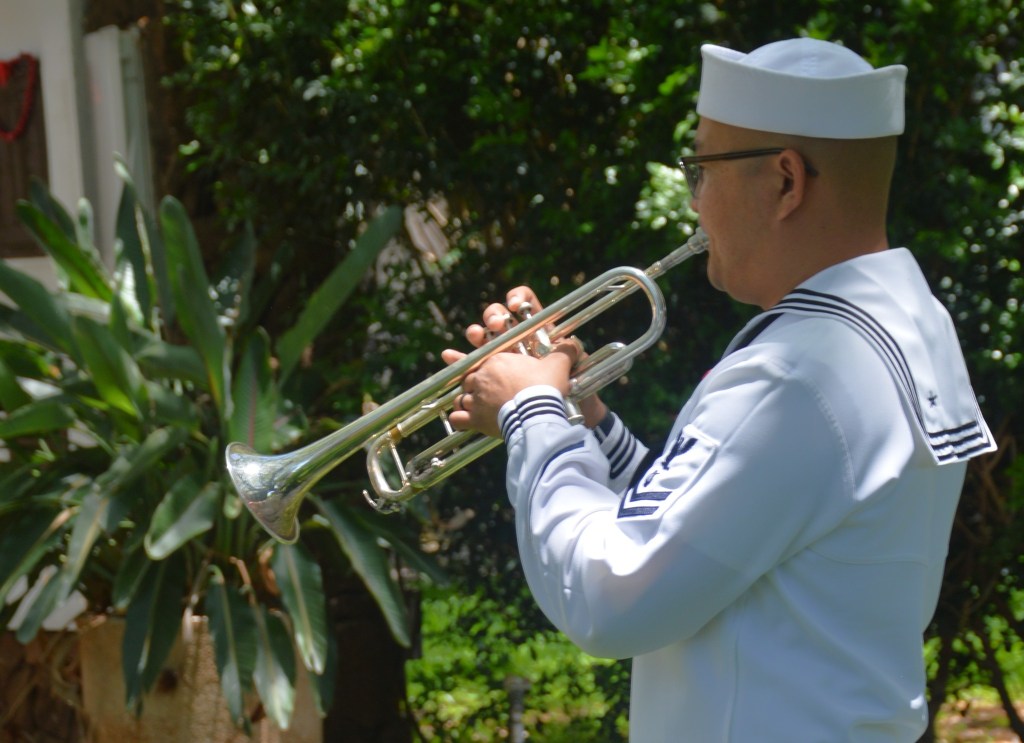
The ceremony ended with a 3-gun volley by Joint Base Pearl Harbor-Hickam Navy Honor Guard Detachment followed by Taps by Bugler MU3 Andrew Gushiken of the U.S. Pacific Fleet Ceremonial Band.

On behalf of the Bowfin Pearl Harbor Base Submarine Veterans, mahalo to all for joining us in commemorating our submarine hero’s.
 
God Bless our Submarine Force, God Bless our Navy, and God Bless the United States of America.  ALOHA!

Following our commemoration, Bowfin Pearl Harbor Base members, families and friends gathered for a Memorial Day barbecue at Lockwood Lanai.

For more pictures of the days events click HERE.

Memorial Day: Reflections from a Navy Veteran in Hawai’i

National Memorial Cemetery of the Pacific

Bowfin News | May 23, 2025

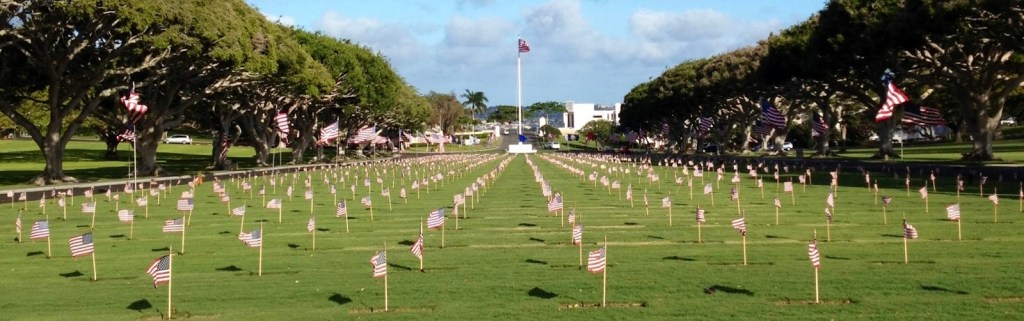
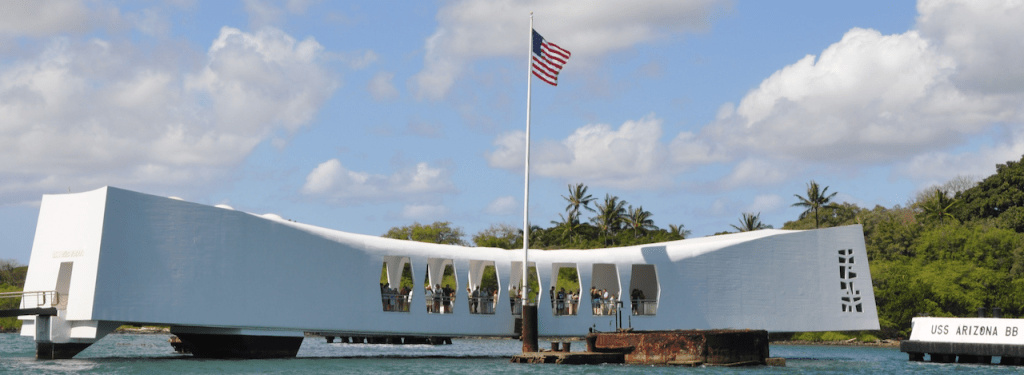
As a Navy veteran living in Hawai‘i, Memorial Day carries a profound significance for me—far beyond backyard barbecues or the unofficial start of summer. Here in the islands, reminders of sacrifice are everywhere, from the solemn USS Arizona Memorial at Pearl Harbor to the rows of headstones at the National Memorial Cemetery of the Pacific. Each year, ceremonies at these sites and others bring together Gold Star families, veterans, and the community to honor those who gave their lives in service, making the meaning of this day deeply personal and ever-present.

Read Full Story HERE.

USS Arizona Memorial