USS Bowfin (SS-287): 83 Years Since the Commission of the “Pearl Harbor Avenger”

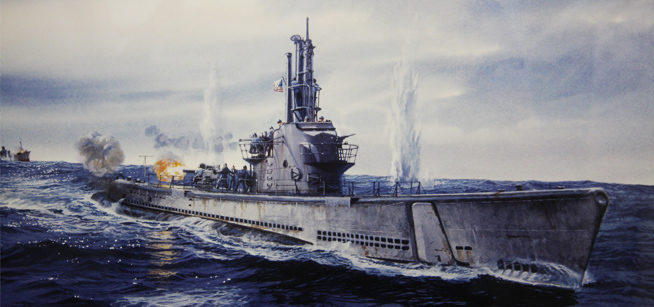
On May 1, 1943, the USS Bowfin slipped into service as one of the United States Navy’s most formidable weapons of the Pacific War. Commissioned at Portsmouth Navy Yard exactly 83 years ago today, this Balao-class fleet submarine would go on to become a legend among the silent service—ranking 17th in tonnage sunk and 15th in the number of enemy vessels destroyed among all 188 World War II submarines that saw combat.

The Birth of a Predator

The journey to commissioning began urgently. Just days after the attack on Pearl Harbor on December 7, 1941, Portsmouth Navy Yard received orders to construct a new generation of submarines. The USS Bowfin’s keel was laid on July 23, 1942, and she was launched exactly six months later on December 7, 1942—a poignant date marking both the attack on Pearl Harbor and the submarine’s entry into the world. That symbolic launch date would foreshadow her legendary status: USS Bowfin would earn the nickname “Pearl Harbor Avenger,” a tribute to her role in exacting vengeance on Japanese forces throughout the Pacific War. In just under five months, she was combat-ready and commissioned, ready to answer the call for retribution that resonated throughout the Navy.
Engineering Excellence

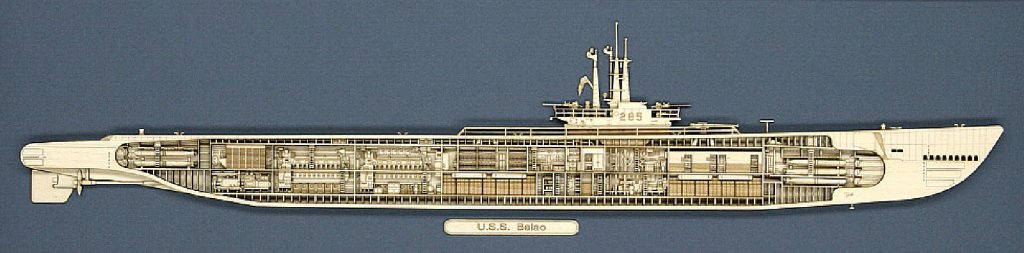
The Balao-class represented a significant leap forward in submarine technology. USS Bowfin displaced 2,415 tons when submerged and stretched nearly 312 feet in length. Her most critical upgrade over the preceding Gato-class was revolutionary: thicker, higher-yield strength steel in the pressure hull skin and frame, which increased test depth to 400 feet—giving her greater operational flexibility and survivability in deep waters.

Her combat capabilities were impressive for the era. Ten torpedo tubes provided devastating firepower, with rack space for 14 reloads. On the surface, she could reach 20.25 knots; submerged, she managed 8.75 knots—fast enough to attack convoys and escape pursuing destroyers. These specifications made her among the most effective submarines of World War II.

Nine Patrols, a Legacy Forged
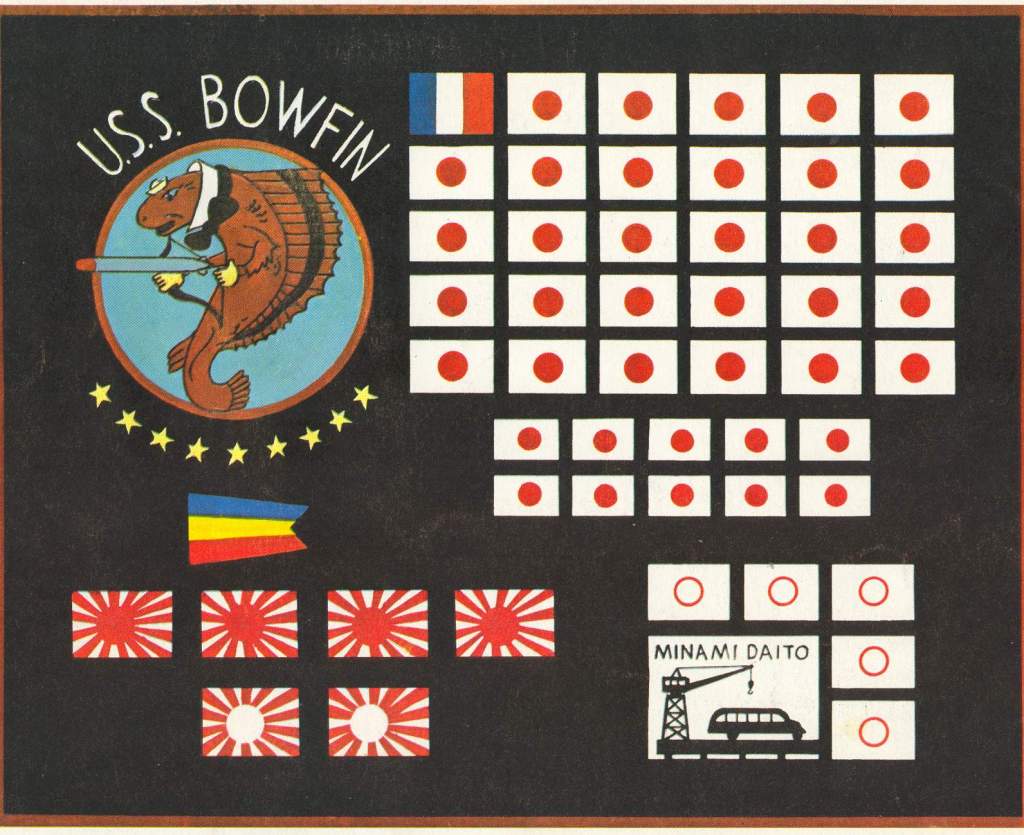
Between 1943 and 1945, USS Bowfin undertook nine war patrols across the Pacific. Her commanding officers’ records reflect extraordinary success: 34 large vessels sunk, 10 more under 500 tons, and damage inflicted on 33,934 tons of enemy shipping across five large vessels and two smaller craft. In total, USS Bowfin is credited with sinking or damaging 213,580 tons of enemy shipping—a remarkable combat record.

A Living Monument
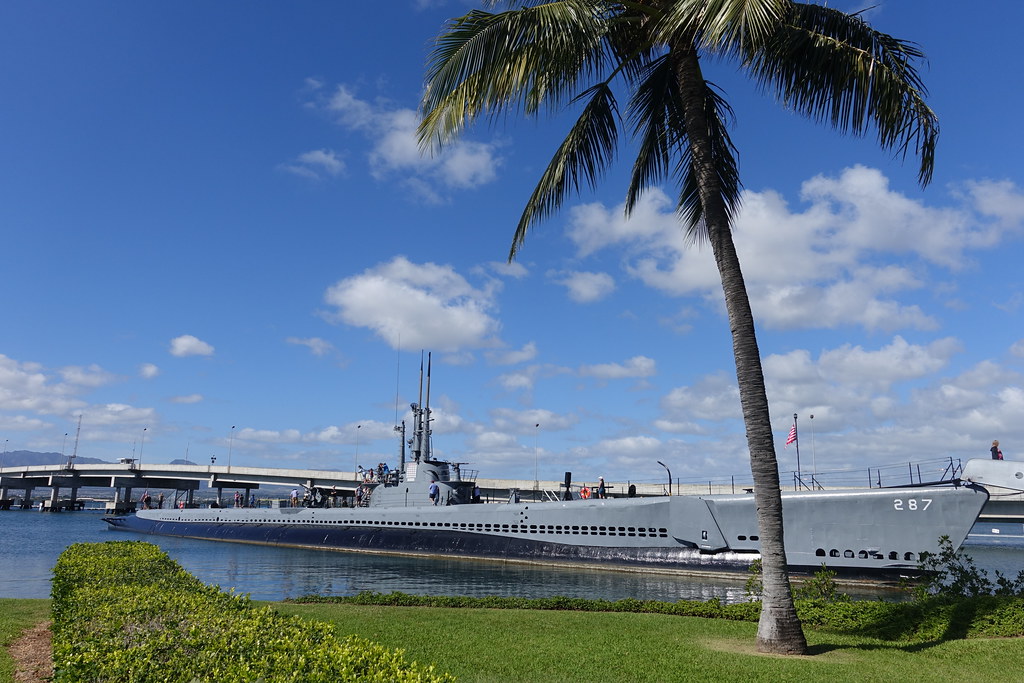
Today, USS Bowfin rests at the USS Bowfin Submarine Museum Park in Pearl Harbor, just miles from where the Pacific War began. Visitors can descend into her narrow passages, stand in her control room, and glimpse the cramped quarters where her brave crew operated. She stands as a tangible reminder of the sacrifice and ingenuity of the submariners who fought the hidden war beneath the waves.

The commissioning of USS Bowfin on May 1, 1943, marked the beginning of a submarine that would prove instrumental in the Pacific victory. Among the 265 Balao-class submarines ordered and 119 completed during the war, she remains one of the most celebrated—a testament to superior engineering, fearless leadership, and the indomitable spirit of the American submarine force.


Click Image

Pacific Fleet Submarine Museum Monthly E-Newsletter – April 2026

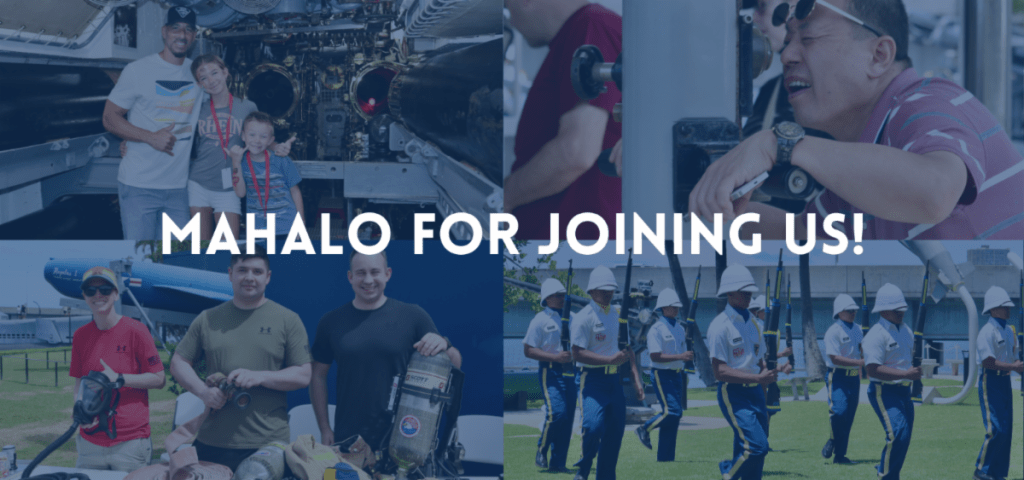
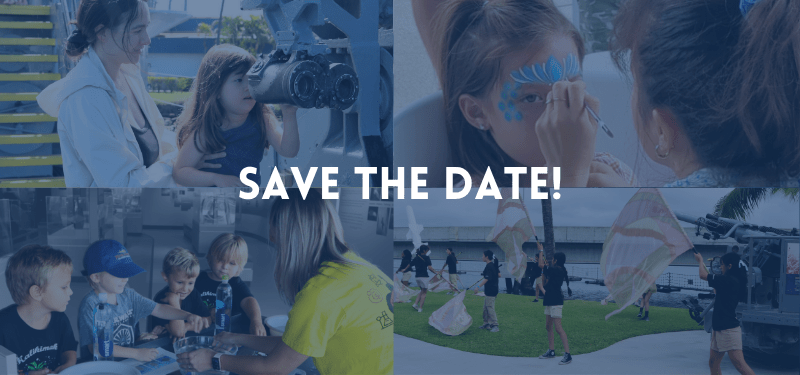
Mahalo to the hundreds who joined us at our museum’s recent “Kama‘aina Sunday” event on April 19! The family-friendly event was held to celebrate the 126th Anniversary of the U.S. Navy Submarine Force.

What’s Inside

PSFM in Hawai’i Parent Magazine

PSFM on Hawai’i News Now’s “The Rally Point” Podcast

On Going Renovations

Ever wondered why submarines carry deck guns?

Read full Newsletter HERE.

Pacific Fleet Submarine Museum Monthly E-Newsletter – March 2026

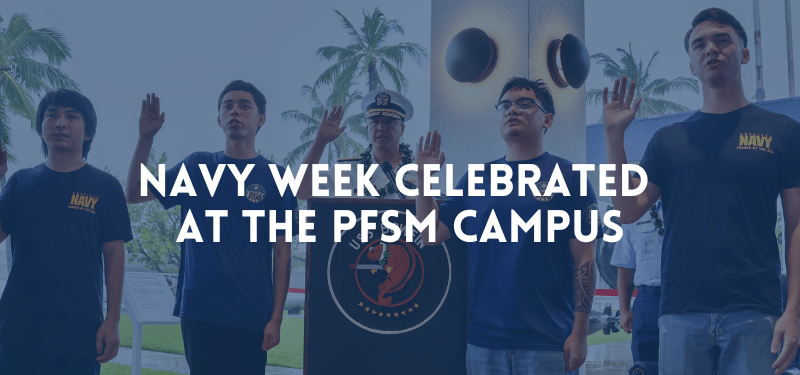
As part of Navy Week this month in Hawai’i (March 9-15), the Navy partnered with the local community to engage residents through a weeklong series of performances, educational events, and community service projects. The Pacific Fleet Submarine Museum was honored in hosting Navy Week events that recognized the past and present service of the U.S. Navy while welcoming the next generation of sailors.

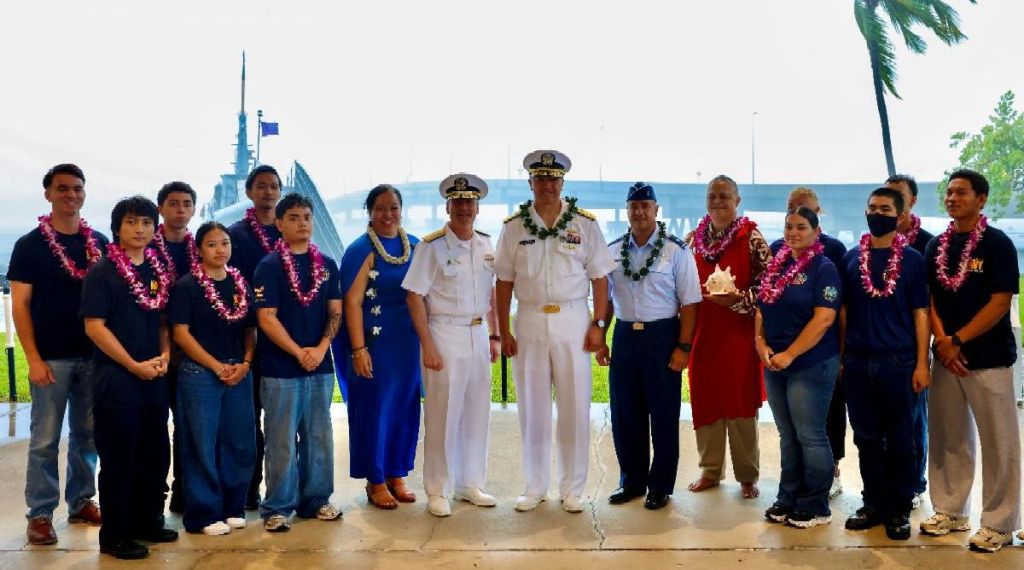
Despite challenging weather, a March 13 enlistment and proclamation ceremony moved forward on our museum campus, underscoring the resilience and commitment that define naval service.

During the ceremony, U.S. Navy Rear Admiral Ryan Mahelona, deputy commander of the Navy’s 10th fleet, administered the Oath of Enlistment to 11 new sailors. It marked the beginning of their service in the U.S. Navy, with two of the enlistees continuing their leadership path by attending officer training.

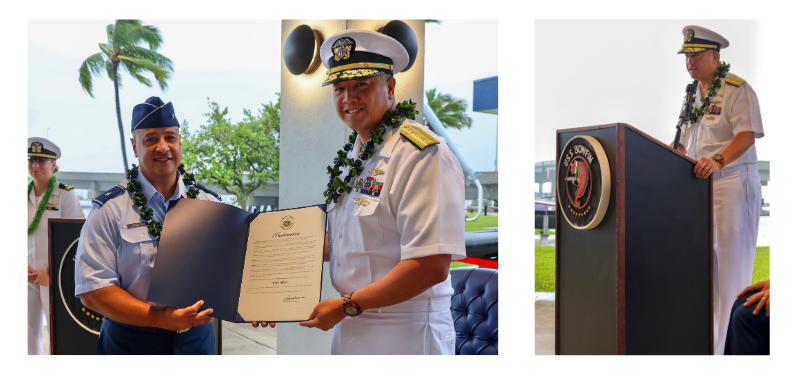
The event also included the presentation of a state proclamation on behalf of Hawaiʻi Governor Josh Green by Brig. Gen. Phillip L. Mallory, Deputy Adjutant General of the Hawaii Department of Defense to Rear Admiral Mahelona, a Hawaii-born resident and only the third Native Hawaiian to attain the rank of admiral.

Mahalo to all who attended the event and a salute to our sailors who uphold the U.S. Navy standard of “Always ready, always answering the call.”

Mark your calendars! Pacific Fleet Submarine Museum is proud to host our annual Kama’aina Sunday event on April 12! Admission to Kama’aina Sunday, between 9 a.m. and 3 p.m., is FREE for Hawai’i residents and active-duty military with valid ID. Guests will have access to our award-winning museum and the historic submarine, USS Bowfin, moored at Pearl Harbor.

Space is limited for this popular event, so reserve your tickets today.

What’s Inside

Honoring Women’s History Month

Congratulations Brook

Collections Spotlight

Read full Newsletter HERE.

Pacific Fleet Submarine Museum Monthly E-Newsletter – February 2026

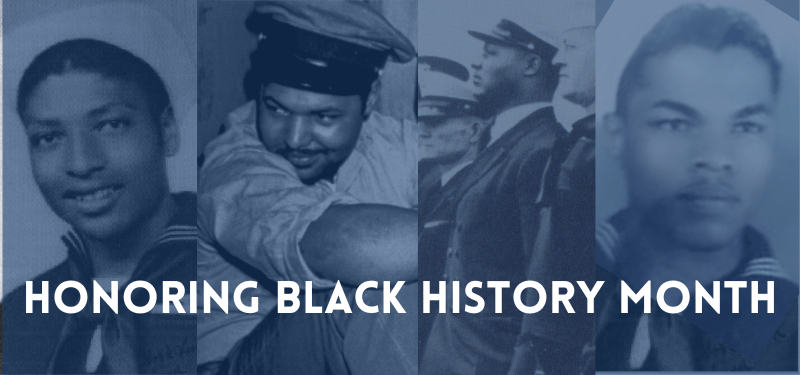
This February, we honor Black History Month by proudly recognizing the contributions of African Americans to the submarine force. Throughout history, Black servicemen and women have played a pivotal role in shaping submarine history and advancing progress within the U.S. military.

During World War II, the Navy took significant steps to expand opportunities for Black sailors. In 1944, the Navy commissioned the “Golden Thirteen,” its first African American officers, opening the door to greater inclusion in leadership roles. Among the many heroes were the Stewards, Steward’s Mates, Cooks, and Mess Attendants who served aboard the U.S.S. Bowfin (SS-287).

By reflecting on these trailblazers, we honor their legacy and inspire future generations to serve, lead, and continue building a Navy rooted in diversity, excellence, and service.

What’s Inside

Collections Spotlight

Museum Renovations Underway

Bring Your Family to Bowfin

Read full Newsletter HERE.

Pacific Fleet Submarine Museum Monthly E-Newsletter – October 2025

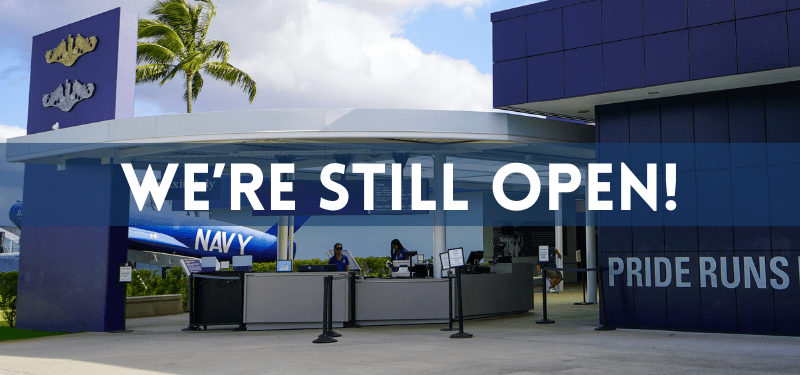
We’re open! Despite the ongoing federal government shutdown, please know that the Pacific Fleet Submarine Museum and USS Bowfin submarine at Pearl Harbor remain open to visitors. During the current shutdown, Pacific Fleet Submarine Museum and its museum partners – Pearl Harbor National Memorial (USS Arizona Memorial), the Battleship Missouri Memorial, and the Pearl Harbor Aviation Museum – have jointly agreed to provide private funding to keep all four Pearl Harbor Historic Sites open.

The submarine museum at this time will remain open and operate at normal hours during the government shutdown. Whether you’re planning your first visit or returning to the submarine museum, we look forward to welcoming you aboard!

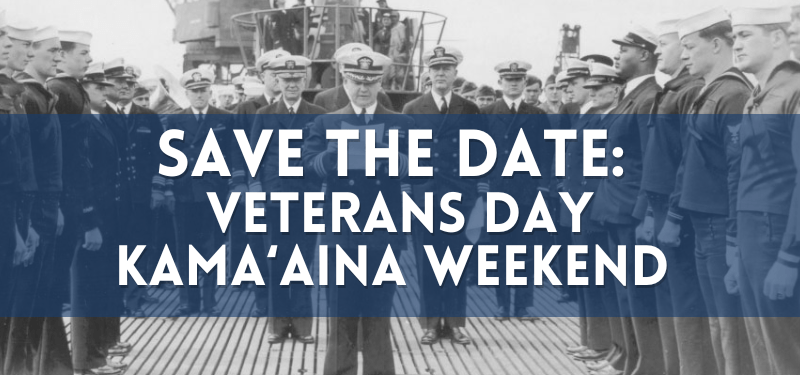
In commemoration of Veterans Day, the Pacific Fleet Submarine Museum will host a special Kama‘aina Sunday during Veterans Day weekend (Nov 8-11). Hawai‘i residents, active-duty service members, retirees, dependents, and veterans are invited to enjoy free admission to the museum.

Please note that up to 6 pre-registered tickets per party will be allowed. Valid Hawai‘i or military ID must be presented at entry for all adult ticket holders. Ticket reservations will be available soon—stay tuned for details on how you can join us in honoring our veterans.

What’s Inside

Honoring the Navy’s Birthday & Navy Day

Celebrating a Special 30th Anniversary

Read full Newsletter HERE.

Pacific Fleet Submarine Museum Monthly E-Newsletter – September 2025

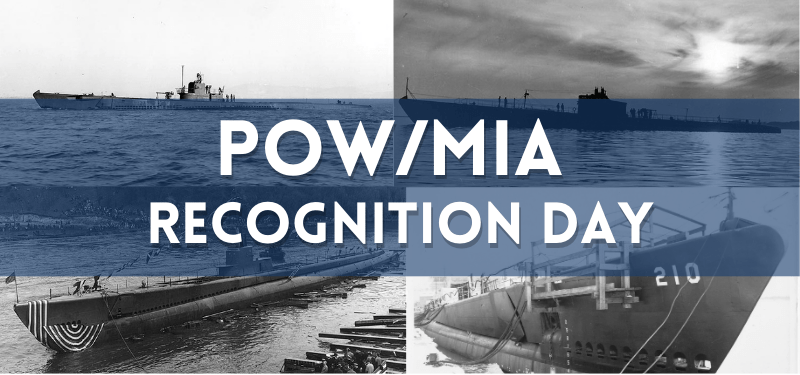
On the 3rd Friday of September each year, we observe POW/MIA Recognition Day, honoring and remembering the brave individuals who served in submarines during World War II and were captured as prisoners of war, including those who never made it home. These submariners, driven by a strong sense of duty, faced tremendous challenges – some enduring captivity in the line of service – with all making sacrifices for their country. Read HERE.

What’s Inside

A Fresh Look at the Pacific Fleet Submarine Museum

Apply for Dolphin Scholarship

Family Ties Sail Aboard USS Bowfin

Celebrating USS Tucson’s Birthday

Read full Newsletter HERE.

Pacific Fleet Submarine Museum Monthly E-Newsletter – August 2025

Marking the Anniversary of the End of World War II and the Impact of U.S. Submarine Warfare

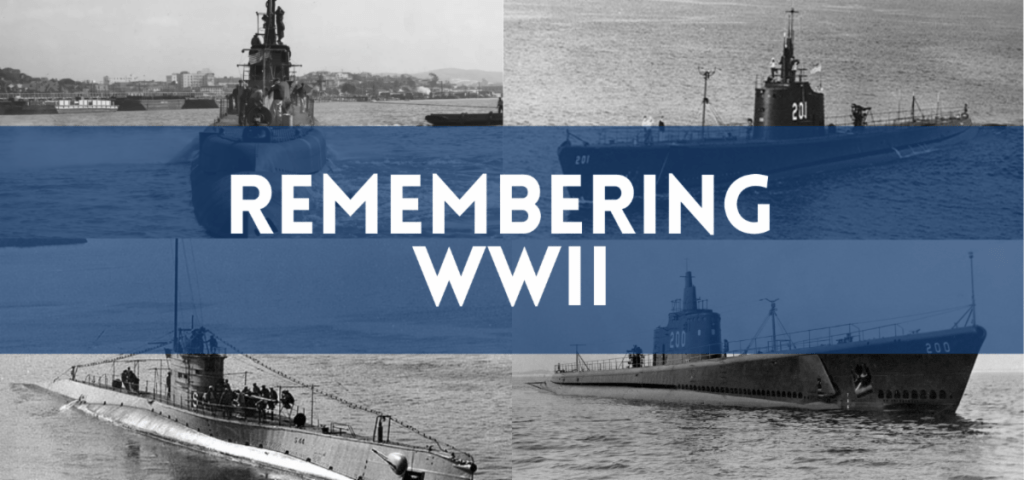
September 2nd marks the 80th anniversary of the end of World War II, a moment when the largest global conflict in history came to an end and eventually brought home thousands of American service members after years of brutal combat. September 2nd marks the 80th anniversary of the end of World War II, a moment when the largest global conflict in history came to an end and eventually brought home thousands of American service members after years of brutal combat.

Throughout World War II, submarines played a critical role in the Pacific, especially as the U.S. Navy reeled from the devastation of Pearl Harbor. With much of the battle fleet destroyed or damaged, submarines became one of the few American forces immediately capable of striking back at Japan. Operating from forward bases such as Pearl Harbor, Manila, and later Fremantle and Brisbane, submarines conducted aggressive patrols against Japanese shipping, gathering vital intelligence, and disrupting enemy supply lines. Though plagued at first by faulty torpedoes, submarines still represented a stealthy and persistent threat to Japan’s sprawling Pacific operations. Their ability to penetrate deep into enemy-controlled waters and attack with surprise helped offset the temporary loss of surface superiority, bought time for American rearmament, and set the stage for the broader submarine campaign that would ultimately strangle Japan’s maritime lifelines.

Submarine warfare in World War II evolved from a limited, often experimental effort into one of the most decisive naval strategies of the conflict. At the start of the war, many navies, including the U.S., faced problems with doctrine, unreliable torpedoes, and restrictive rules of engagement. Early submarine operations were cautious and primarily focused on reconnaissance or fleet support. As the war progressed, however, submarine forces shifted to an aggressive commerce-raiding strategy that targeted enemy shipping with devastating effect. Improved tactics, better coordination with intelligence sources such as codebreaking, and advances in technology like radar, sonar, and more effective torpedoes dramatically increased their effectiveness. Although they comprised less than two percent of the U.S. Navy’s personnel, submariners were responsible for destroying 30 percent of the Imperial Japanese Navy fleet during World War II, including eight aircraft carriers, 11 cruisers and a battleship. They also destroyed 60 percent of the Japanese merchant fleet, cutting off crucial supplies to its military forces in the Pacific.

As for the impact made by the U.S. Submarine Force: “If it wasn’t for the bravery and ingenuity of the U.S. Submarine Force, offensive operations in the Pacific would have been significantly delayed, setting the stage to recapture additional territory at the cost of more American military casualties. The history of World War II demonstrated the submarine’s transition from a secondary naval arm to a central weapon of strategic warfare.” said Pacific Fleet Submarine Museum executive director Andrew “Homer” Ring.

The toll among the U.S. Submarine Force, however, was costly. About 20 percent of the American forces were lost, including 52 submarines with a total of 3,506 officers and enlisted men killed. Their bravery and sacrifices are etched in naval history and in the freedoms their service helped protect.

“The anniversary of the conclusion of World War II serves as a tribute to the strength and sacrifice of American service members and workers who participated in our nation’s war effort,” Ring said. “A heartfelt thank you goes out to the Greatest Generation on this 80th anniversary as we celebrate the spirit of freedom and resilience that defines our nation.” Read about Bowfin history HERE.

What’s Inside

Relatives of Bowfin Crewmember Visit Museum
National Nonprofit Day

Read full Newsletter HERE.

Pacific Fleet Submarine Museum Monthly E-Newsletter – July 2025

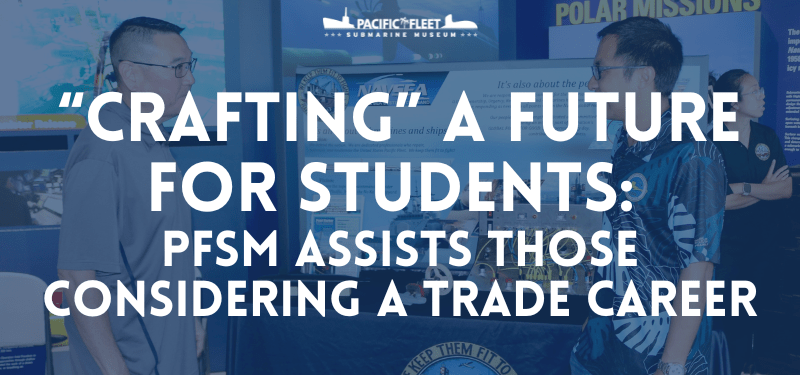
In a concerted effort to get more students involved in the local trade industry, over 100 high school students from Honolulu Community College’s Summer CTE Academy visited the Pacific Fleet Submarine Museum earlier this month to wrap up their five-week summer program. Read full story HERE.

What’s Inside

Collections Spotlight: Frank Joseph Unger
Make the Most of the Final Days of Summer

Read full Newsletter HERE.