

From all of us to each of you, we wish you a Hauʻoli Lā Hānau!

From all of us to each of you, we wish you a Hauʻoli Lā Hānau!
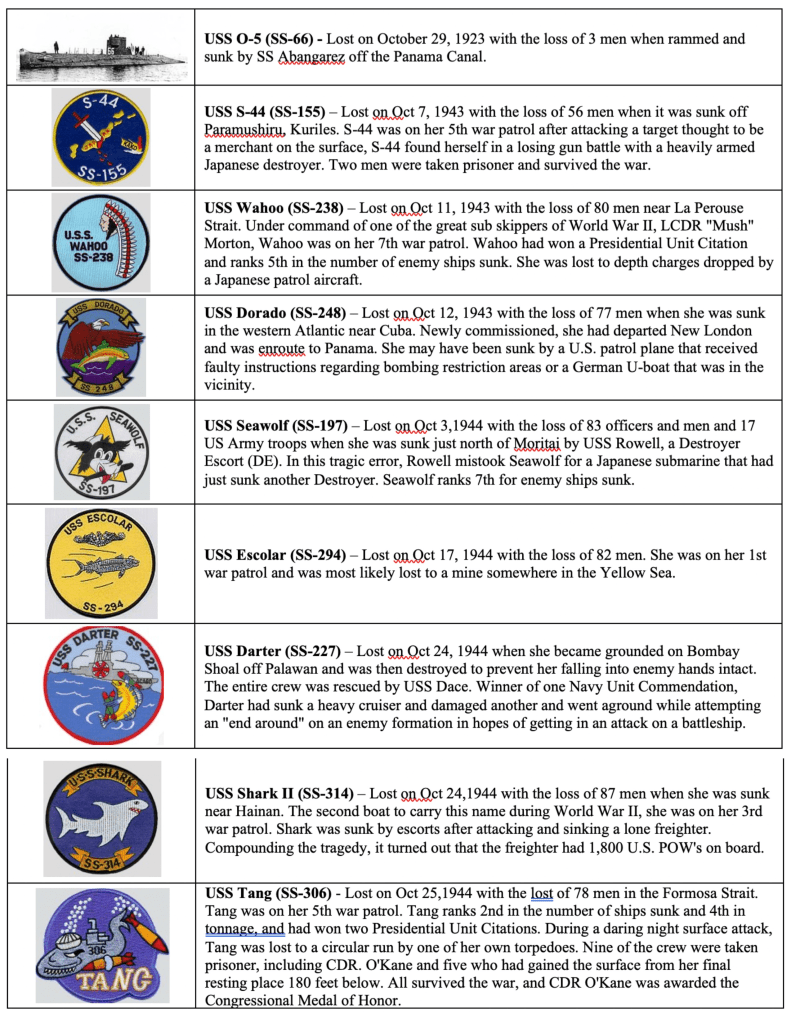
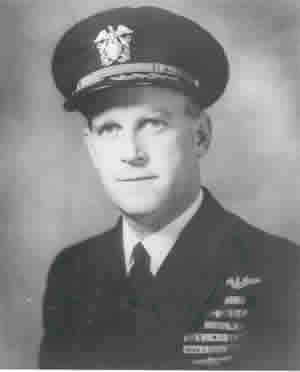
Richard O ‘Kane was the commanding officer of the USS TANG during World War II. O’Kane claimed eight ships at the time but post-war analysis increased this to ten ships. On one attack she had targeted two large ships with three torpedoes each and assumed three hits in each. Japanese records actually reported two hits in each with the third of each spread hitting smaller ships in the next column. This surpassed the next highest patrol which was for the USS WAHOO, with O ‘Kane as XO, in the same area the year before.
He was captured by the Japanese when his boat was sunk in the Formosa Strait by its own flawed torpedo (running in a circle) during a surface night attack on October 24–25, 1944 wherein he lost all but eight of his crew, and was secretly (i.e. illegally) held prisoner until the war’s end some ten months later. Following his release, Commander O’Kane received the Medal of Honor for his “conspicuous gallantry and intrepidity” during his submarine’s final operations against Japanese shipping.
CDR O’Kane’s Medal of Honor citation reads in part:
“…For conspicuous gallantry and intrepidity at the risk of his own life above and beyond the call of duty as commanding officer of the U.S.S. TANG operating against 2 enemy Japanese convoys on 23 and 24 October 1944, during her fifth and last war patrol. Boldly maneuvering on the surface into the midst of a heavily escorted convoy, CDR. O’Kane stood in the fusillade of bullets and shells from all directions to launch smashing hits on 3 tankers, he swung his ship to fire at a freighter and, in a split-second decision, shot out of the path of an onrushing transport, missing it by inches. Boxed in by blazing tankers, a freighter, transport, and several destroyers, he blasted 2 of the targets with his remaining torpedoes and, with pyrotechnics bursting on all sides, cleared the area. Twenty-four hours later, he again made contact with a heavily escorted convoy steaming to support the Leyte campaign with reinforcements and supplies and with crated planes piled high on each unit. In defiance of the enemy’s relentless fire, he closed the concentration of ship and in quick succession sent 2 torpedoes each into the first and second transports and an adjacent tanker, finding his mark with each torpedo in a series of violent explosions at less than l,000-yard range. With ships bearing down from all sides, he charged the enemy at high speed, exploding the tanker in a burst of flame, smashing the transport dead in the water, and blasting the destroyer with a mighty roar which rocked the TANG from stem to stern. Expending his last 2 torpedoes into the remnants of a once powerful convoy before his own ship went down, CDR O’Kane, aided by his gallant command, achieved an illustrious record of heroism in combat, enhancing the finest traditions of the U.S. Naval Service.”

Volume 86
To perpetuate the memory of our shipmates who gave their lives while voluntarily serving in submarine warfare in the pursuit of their duties while serving their country. That their dedication, deeds and supreme sacrifice be a constant source of motivation toward greater accomplishments. To further promote and keep alive the spirit and unity that existed among submarine crewmen during World War II. To promote sociability general welfare and good fellowship among our members. To pledge loyalty and patriotism to the United States of America and it’s constitution.
1. Bowfin Pearl Harbor Base
Bowfin Meeting – We conducted our September meeting on the Lanai, Lockwood Hall. The following members attended – Base Commander Paul Jurcsak, Secretary Brett Kulbis, Treasurer Pat Suenaga, Acting COB Jim Bazemore, and members David Bilek,
Rodney Boucher, Karl Dye, John Johnson, Ace Parker, Crichton Roberts, and Thom Sousa.
🎉 Congratulations to Paul Jurcsak, Tim Sparks, Brett Kulbis, and Pat Suenage for being re-elected to their leadership positions. 👏
Welcomed Guests – Nancy Kreis, Miya Bilek, Ann Gosling, Gregg Parker, and Janice Souza.
Binnacle List – Please keep the all our members and their families in your good thoughts and prayers.
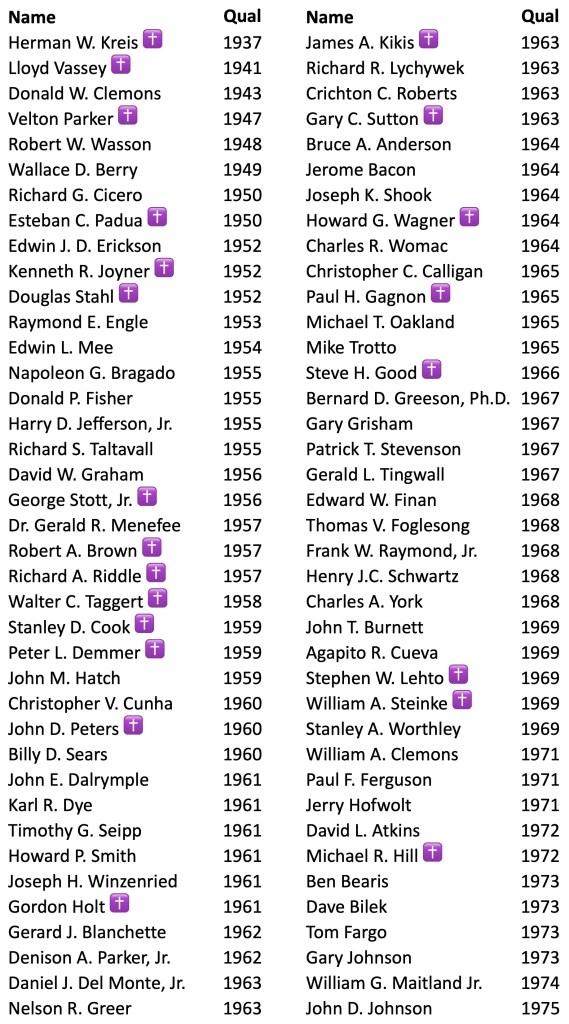
Hauʻoli Lā Hānau! Bowfin Birthdays for the month of September.
Patrol Reports
Dan’s Doing It Again!
Dan Del Monte will be going “Over the Edge” again this year with a goal to raise $10,000, and asks that you “Please donate for these wonderful folks.” To donate click HERE.
Bowfin Holland Club Members
This Month in Base History
2014 – Location for USS Growler plaque at Arizona Memorial identified.
2008 – Newsletter of Year 2008 (Class III 2nd Place)
2007 – Newsletter of the Year 2007 (Class III Runner-Up)
1988 – POW Medal Awarded to USSVI of WWII Hawai’i Chapter member Herb Conser.
Base Officers & Staff
2. U.S. Submarine Veterans Inc.
News and Bulletins
American Submariner
USSVI Officers & Staff
3. Information of Interest
VA News Releases
Defense News – Early Bird
4. Still On Patrol
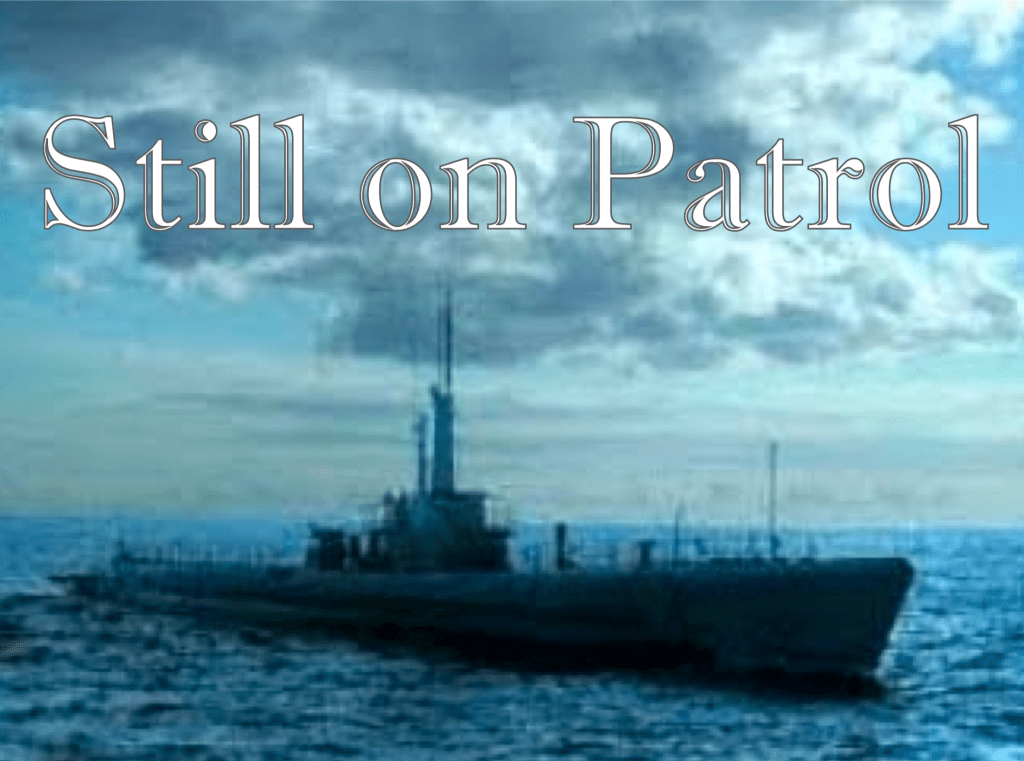
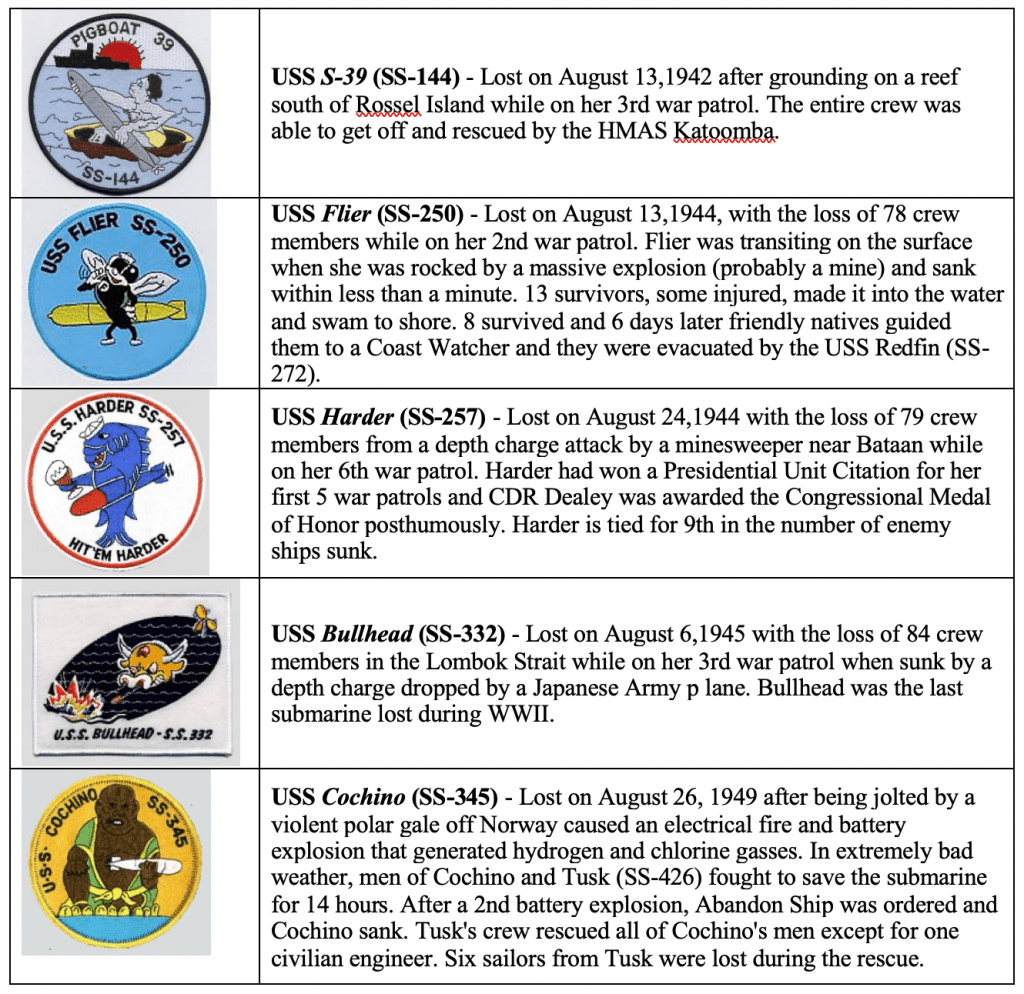
Tolling of the bells for boats lost in the month of September.
5. Important Links
Bowfin Base Pearl Harbor
Plan of the Day
Bowfin Pearl Harbor Base Photo Album
USSVI Bowfin Base Facebook (Like Us, Follow Us and Share with your shipmates)
Past Bowfin Base Eblasts
Friends of the Submarine Memorial Chapel Facebook (Like Us, Follow Us and Share with your shipmates)
USS Bowfin Submarine Museum & Park
American Submariner Magazine
Pearl Harbor Dolphin Store (Your one stop shop for submarine merchandise.)
6. Submarine Humor

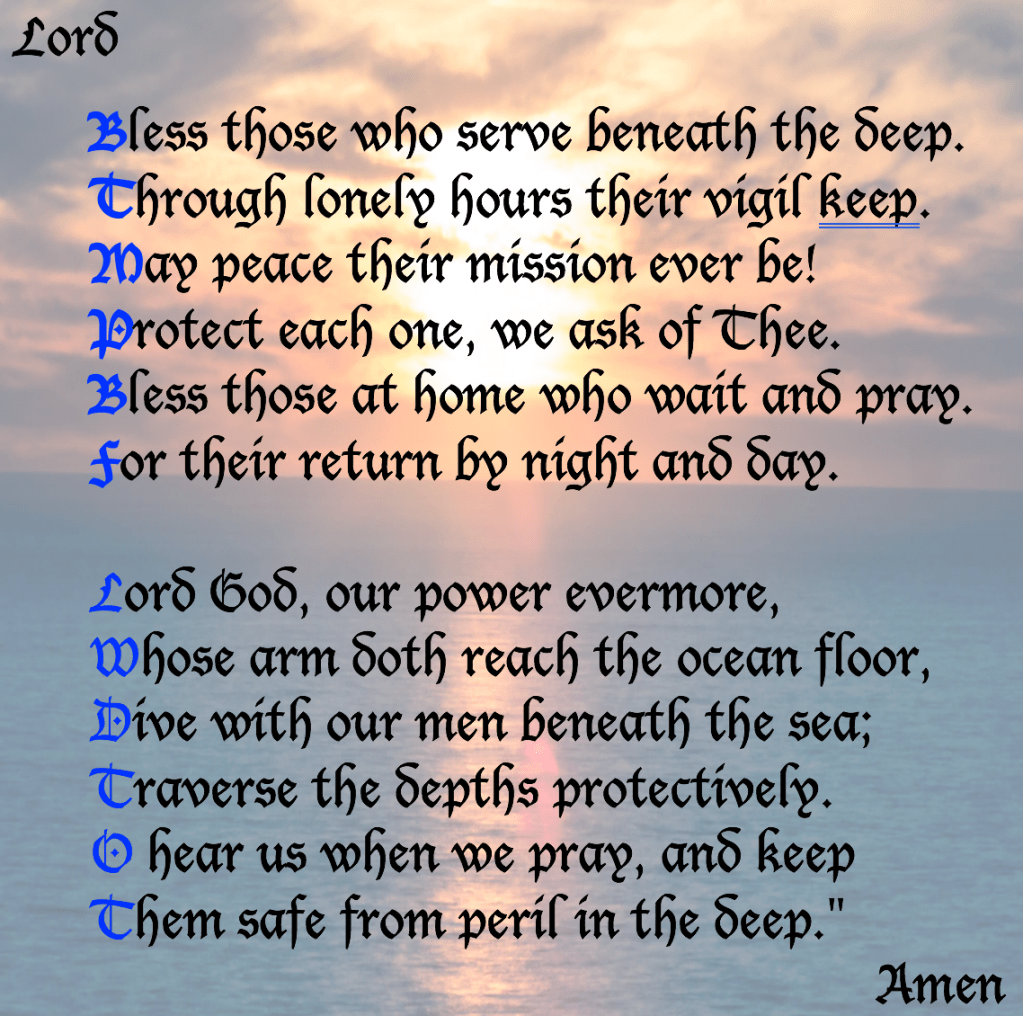
7. Submariners Prayer
Our mailing address is:
USSVI Bowfin Base Pearl Harbor
94-219 Wehena Place
Waipahu, Hawaii 96797
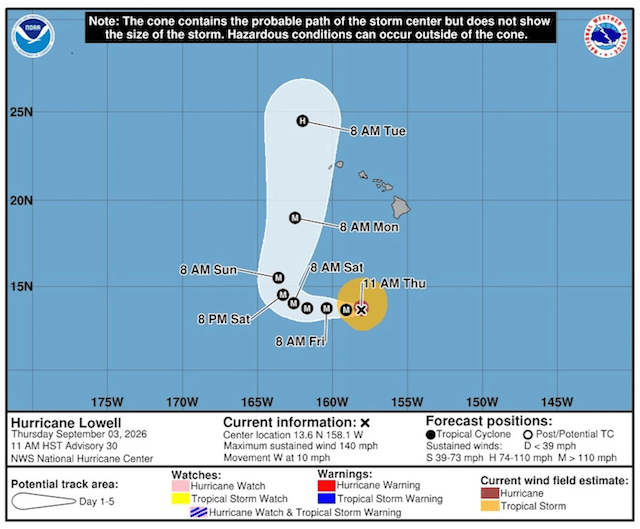
Forwarding information from the Base Emergency Operations Center and National Weather Service on the current status and expected timeline of impacts from Hurricane Lowell.
The JBPHH Emergency Operations Center (EOC) is closely monitoring Hurricane Lowell in the Pacific Region with potential impacts to Oahu. No immediate operational changes are required at this time, JBPHH remains in TCCOR 5. Hurricane Lowell is south of the state and forecast to turn north Saturday. Track is trending farther east with each run, but for now remains centered west of Kauai County. Forecast is for Category 3 as it moves closest to Kauai County Monday afternoon/evening.
RISK:
MITIGATION: Regardless of potential impacts, use it as a reminder to review your emergency plans and ensure your household is fully prepared:
HAZARD ZONES: The Honolulu Department of Emergency Management provides detailed mapping resources to identify localized tsunami evacuation zones, flood plains, and wildfire risk areas across Oahu: https://www.honolulu.gov/dem/oahu-hazard-explorer/
NOTES: These maps are for planning purposes only and does not display real-time hazard risk based on weather or other conditions.
AFTER THE STORM – KEY SAFETY REMINDERS:
From all of us to each of you, we wish you a Hauʻoli Lā Hānau!
Defense News | August 27, 2026
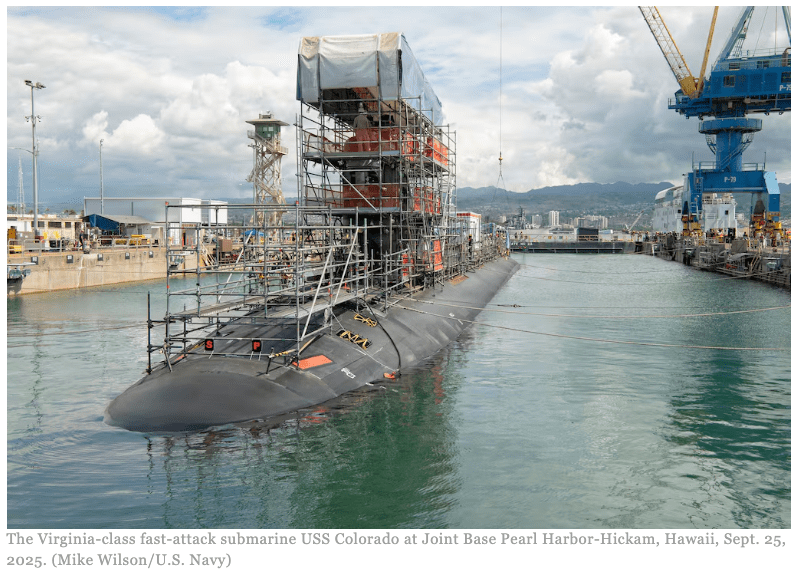
Maintenance delays for U.S. Navy attack subs have resulted in boats that are frequently idle in port when they should be at sea. Read Full Story.
Volume 85
To perpetuate the memory of our shipmates who gave their lives while voluntarily serving in submarine warfare in the pursuit of their duties while serving their country. That their dedication, deeds and supreme sacrifice be a constant source of motivation toward greater accomplishments. To further promote and keep alive the spirit and unity that existed among submarine crewmen during World War II. To promote sociability general welfare and good fellowship among our members. To pledge loyalty and patriotism to the United States of America and it’s constitution.
1. Bowfin Pearl Harbor Base
Bowfin Meeting – We conducted our August meeting at Clean Sweep Bar, Lockwood Hall. The following members attended – Base Commander Vice Commander Tim Sparks, Secretary Brett Kulbis, Treasurer Pat Suenaga, COB Gary Johnson, and members Dave Atkins, Jim Bazemore, David Bilek, Rodney Boucher, Karl Dye, Nelson Greer, Gary Grisham, John Johnson, Ace Parker, Crichton Roberts, Wade Thode, and Ken Voorhees.
Welcomed Guests – Miya Bilek, Nancy Kreis, Ann Gosling, Gregg Parker, and Will and Wes Thode.
Binnacle List – Please keep the all our members and their families in your good thoughts and prayers, especially Doi Brown, Paul Ferguson, Chris Cunha, and Charlie Womack.
Hauʻoli Lā Hānau! Bowfin Birthdays for the month of August.
Patrol Reports
✝️ In Memoriam — Rear Admiral Winford G. “Jerry” Ellis, USN (Ret.)

Dan’s Doing It Again!

Dan Del Monte will be going “Over the Edge” again this year with a goal to raise $10,000, and asks that you “Please donate for these wonderful folks.” To donate click HERE.
Bowfin Holland Club Members
This Month in Base History
2009 – Newsletter of the Year 2009 (Class I Winner)
Base Officers & Staff
Commander Paul T. Jurcsak
Vice Commander Tim Sparks
Secretary Brett Kulbis
Treasurer Pat Suenaga
Chief of the Boat Gary G. Johnson
Storekeeper George F. Barlett
2. U.S. Submarine Veterans Inc.
News and Bulletins
American Submariner
USSVI Officers & Stafff
USSVI National Commander Jon D. Jaques
USSVI Western Region Director Peter T. Juhos
USSVI Western District 6 Commander Dave Vanderveen
USSVI Office Manager Charles F. Murray
3. Information of Interest
VA News Releases
Defense News – Early Bird
4. Still On Patrol
Tolling of the bells for boats lost in the month of August.
5. Important Links
Bowfin Base Pearl Harbor
Plan of the Day
Bowfin Pearl Harbor Base Photo Album
USSVI Bowfin Base Facebook (Like Us, Follow Us and Share with your shipmates)
Past Bowfin Base Eblasts
Friends of the Submarine Memorial Chapel Facebook (Like Us, Follow Us and Share with your shipmates)
USS Bowfin Submarine Museum & Park
American Submariner Magazine
Pearl Harbor Dolphin Store (Your one stop shop for submarine merchandise.)
6. Submarine Humor

7. Submariners Prayer

Our mailing address is:
USSVI Bowfin Base Pearl Harbor
94-219 Wehena Place
Waipahu, Hawaii 96797
Military Times | 31 July 2026

The nuclear-powered fast attack submarine USS Minnesota returned to Naval Base Guam on July 29, completing its first deployment as the Navy’s first forward-deployed Virginia-class boat.
The successful deployment amplified the Navy’s ability to operate and employ advanced capabilities in the Indo-Pacific, a service release noted. The boat is one of four forward-deployed fast-attack submarines.
Read Full Story.
From all of us to each of you, we wish you a Hauʻoli Lā Hānau!
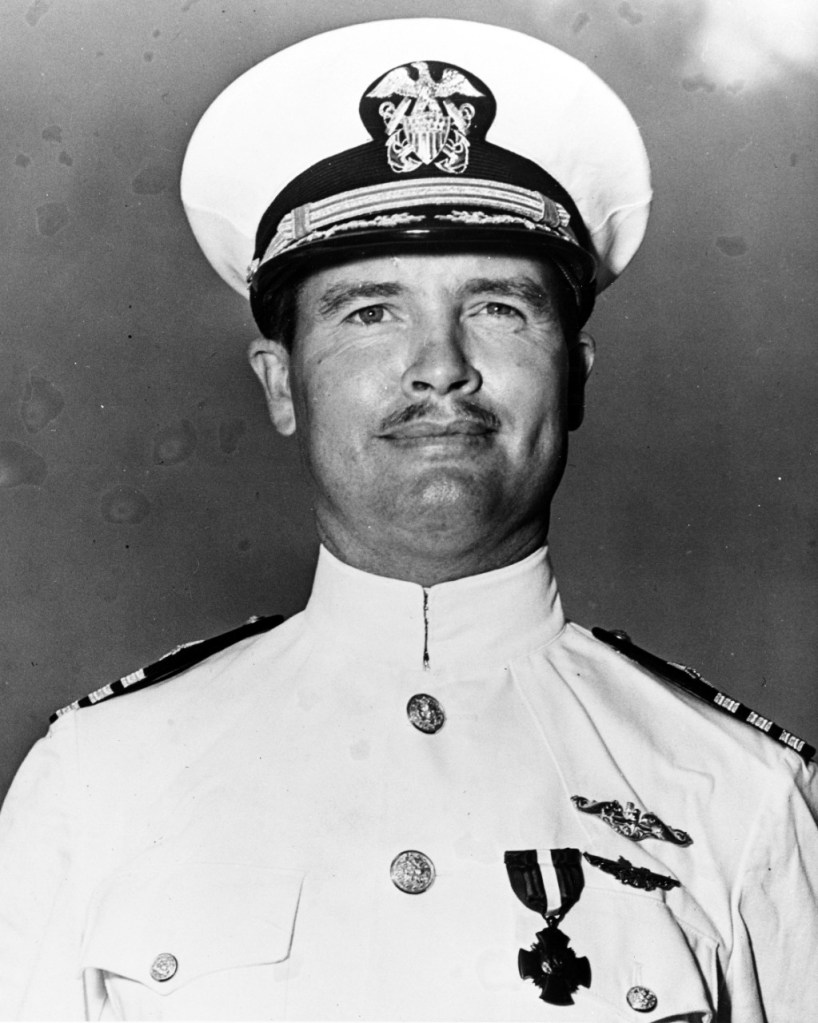
Samuel Dealey was born on September 13, 1906 in Dallas, Texas, where he attended Oak Cliff High School. He graduated from the Naval Academy in June 1930. Dealey had duty on the battleship USS NEVADA (BB-36) before training as a submarine sailor. In command of S-20 at the outbreak of World War II, he assumed command of USS HARDER (SS-257) upon her commissioning on December 2, 1942. Commander Dealey guided his submarine deep into enemy waters, wreaking destruction on Japanese shipping. On HARDER’S fifth war patrol, Commander Dealey pressed home a series of bold and daring attacks, both surfaced and submerged, which sank three enemy destroyers and damaged two others. For his exceptional gallantry in these actions, Commander Dealey received the Medal of Honor. He was lost with his submarine during its sixth war patrol, when HARDERwas sunk August 24, 1944 by a depth charge attack off Luzon, Philippines. His Medal of Honor citation reads:
“For conspicuous gallantry and intrepidity at the risk of his life above and beyond the call of duty as Commanding Officer of the USS HARDER during her 5th War Patrol in Japanese-controlled waters. Floodlighted by a bright moon and disclosed to an enemy destroyer escort which bore down with intent to attack, CDR Dealey quickly dove to periscope depth and waited for the pursuer to close range, then opened fire, sending the target and all aboard down in flames with his third torpedo. Plunging deep to avoid fierce depth charges, he again surfaced and, within 9 minutes after sighting another destroyer, had sent the enemy down tail first with a hit directly amid ship. Evading detection, he penetrated the confined waters off Tawi Tawi with the Japanese Fleet base 6 miles away and scored death blows on 2 patrolling destroyers in quick succession. With his ship heeled over by concussion from the first exploding target and the second vessel nose-diving in a blinding detonation, he cleared the area at high speed. Sighted by a large hostile fleet force on the following day, he swung his bow toward the lead destroyer for another “down-the-throat” shot, fired 3 bow tubes and promptly crash-dived to be terrifically rocked seconds later by the exploding ship as the HARDER passed beneath. This remarkable record of 5 vital Japanese destroyers sunk in 5 short-range torpedo attacks attests the valiant fighting spirit of CDR Dealey and his indomitable command.”
Quartermaster First Class Richard Breckenridge received the Navy Cross for heroic actions on 14 August 1942. His citation reads in part…
”For extraordinary heroism and devotion to duty in action against the enemy while serving on board the USS CUTTLEFISH (SS-171), during the THIRD War Patrol of that submarine in enemy controlled waters on 27 August 1942. On that date the CUTTLEFISH was underway in enemy controlled waters when the approach of Japanese naval units forced her to crash dive. The wheel of the locks for the hatch leading from the deck to the conning tower became jammed, however, and the hatch would not close sufficiently to keep out the seas. Quartermaster Second Class Breckenridge refused to leave his station and go below until he succeeded in securing the hatch. By his action, Quartermaster Second Class Breckenridge, risking drowning, saved the conning tower instruments from damage from the seas and enabled the submarine to continue on patrol during which 29,500 tons of Japanese shipping were sunk. The conduct of Quartermaster Second Class Breckenridge throughout this action reflects great credit upon himself, and was in keeping with the highest traditions of the United States Naval Service.”


