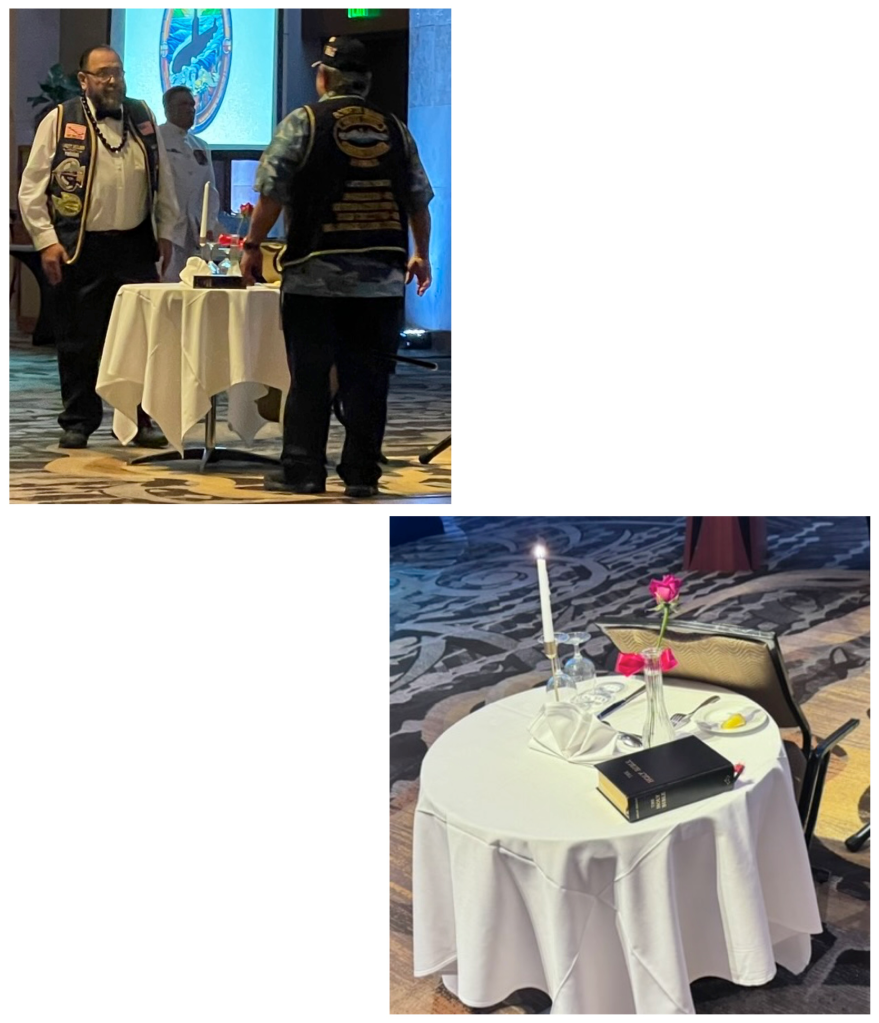
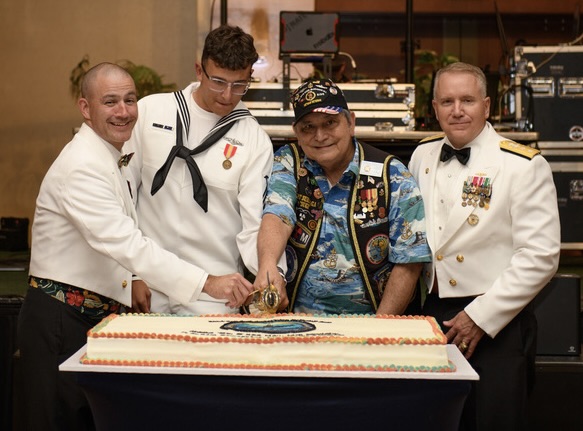
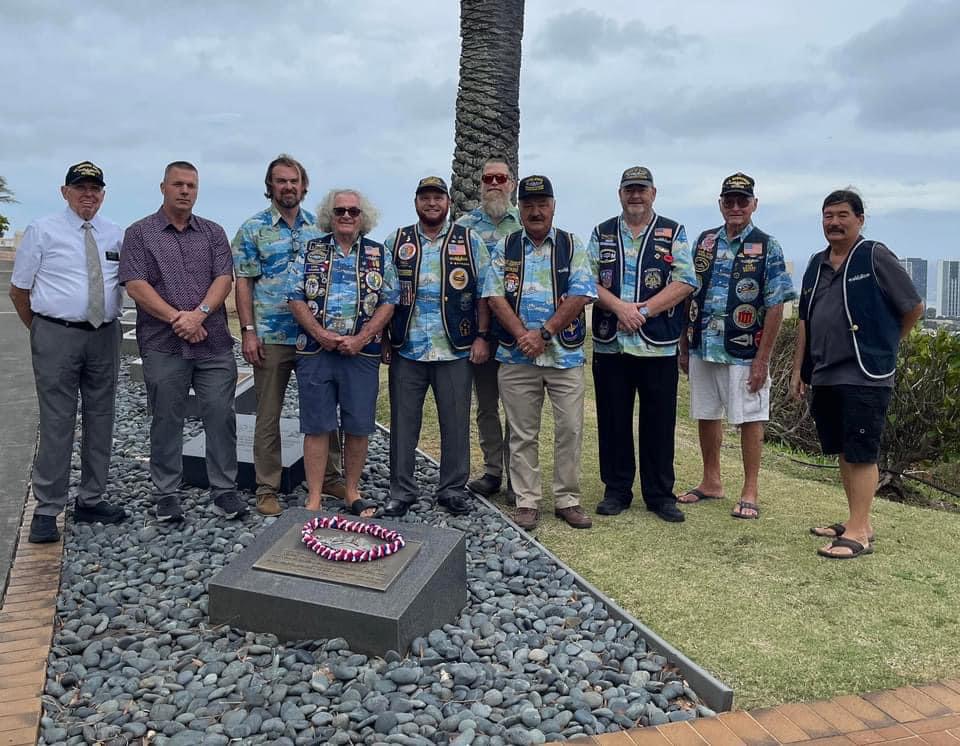
USSVI Bowfin Pearl Harbor Base Veterans conducted their annual re-dedication of the Submarine Veterans Memorial on the Memorial Walk-Way at the National Memorial Cemetery of the Pacific.
“The Submarine Veteran plaque was dedicated and placed here on April 18, 2000 and we conduct a small re-dedication ceremony every year on the anniversary of the U.S. Submarine Force,” said Base Commander Paul Jurcsak.
That’s the question Secretary Carlos Del Toro asked in February, as it emerged that labor shortages were delaying construction on the lead frigate of the Navy’s new Constellation class. But that wasn’t the only program behind schedule, and so Del Toro ordered up a 45-day review of all of his service’s shipbuilding efforts. When the Navy revealed its findings in early April, the study showedevery major program was a year and a half to three years behind schedule.
What comes next isn’t yet clear. “We don’t have detailed plans of action, milestones, initiatives—we are identifying and deeply looking into where we are now in a ‘get real, get better’ approach,” Nickolas Guertin, the Navy’s chief buyer, told reporters at the Pentagon. “We found that we have issues that need to be resolved…But we don’t have all those things completely nailed down yet.”
Behind many of our artifacts at the Pacific Fleet Submarine Museum is a fascinating backstory. Some of the museum items on display were donated by World War II U.S. submariners and their families (including those of the Bowfin crew).
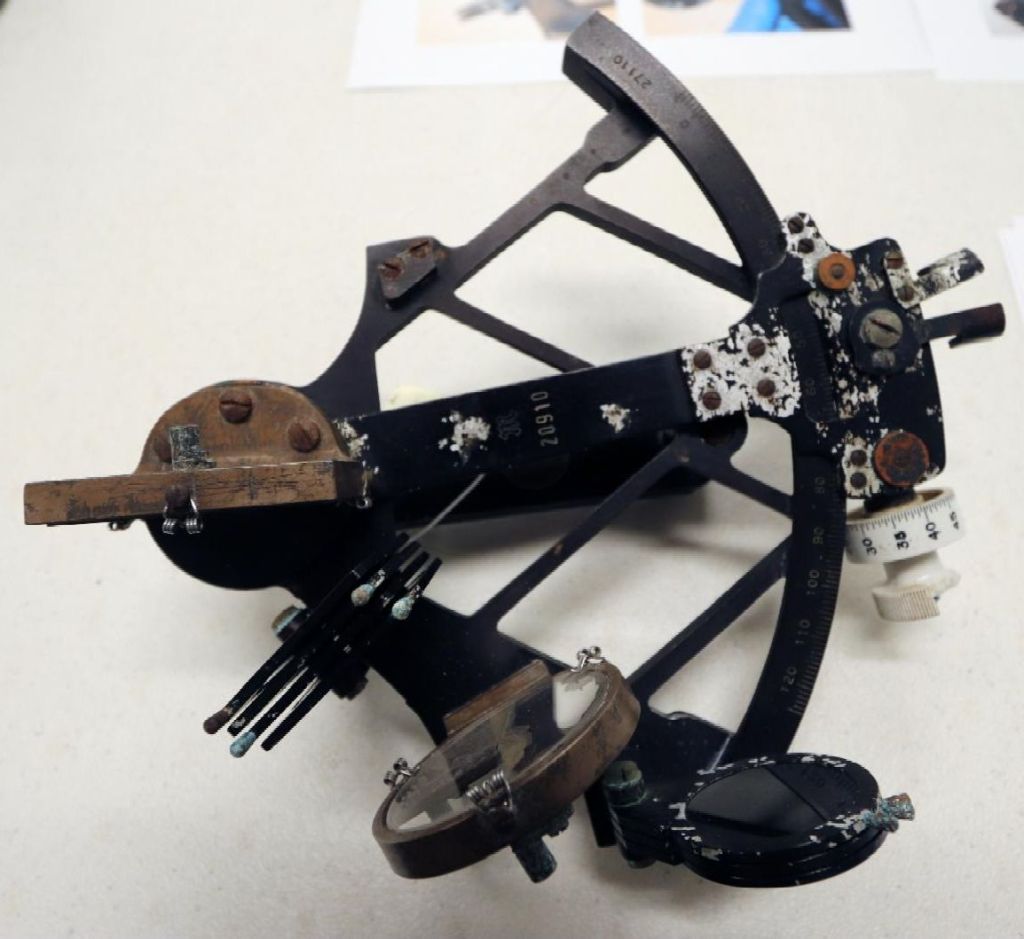
Two pieces of World War II history on exhibit are a sextant and binoculars. Interestingly, they were not used aboard a “friendly” American vessel, but a captured German submarine that made an incredible journey across the Atlantic Ocean from Argentina to the United States.
With the war wrapping up in September 1945, military officials ordered a captured German U-977 submarine be brought back to America to inspect the vessel’s technology (German U-boats were known for their superior design) and showcase the boat to the American public.
A U.S. Navy crew led by U.S Navy Chief Urbaniak was tasked with navigating the captured U-977 to Boston, Massachusetts from Argentina, where the Germans had relinquished control of the boat at the end of World War II.
While the submarine no longer faced the perilous prospect of combat during its trip, the American crew still had the daunting and dangerous task of navigating U-977 – deemed in poor working condition – across the vast Atlantic. The crew spent weeks cleaning, repairing, and learning to operate the unfamiliar German vessel, with U.S. Navy Lieutenant Commander Cooper playing a pivotal role in preparing the vessel for its voyage.
Their dedication was tested further when the vessel’s engines failed at sea, forcing them to make repairs on the open ocean.
Despite the challenges, the crew persevered and finally arrived in Boston in November 1945. The U-977 then went on a “Victory Tour” along the U.S. East Coast, showcasing the captured German technology and raising financial support for the war effort. In November 1946, the sub was sailed to the Portsmouth Naval Shipyard, where it was sunk by the U.S. Navy off the coast of Massachusetts.
Today, the U-977’ssextant and binoculars on display stands as a reminder of its extraordinary voyage to America following the war. These artifacts bring history to life, offering a tangible connection to the past and serving as reminder of the American crew’s resilience and adaptability.
The first recorded submarine attack in naval combat happened in 1776. An American submersible craft dubbed “Turtle” attempted to attach a time bomb to the British flagship called “Eagle,” which was a part of the Boston Harbor blockade.
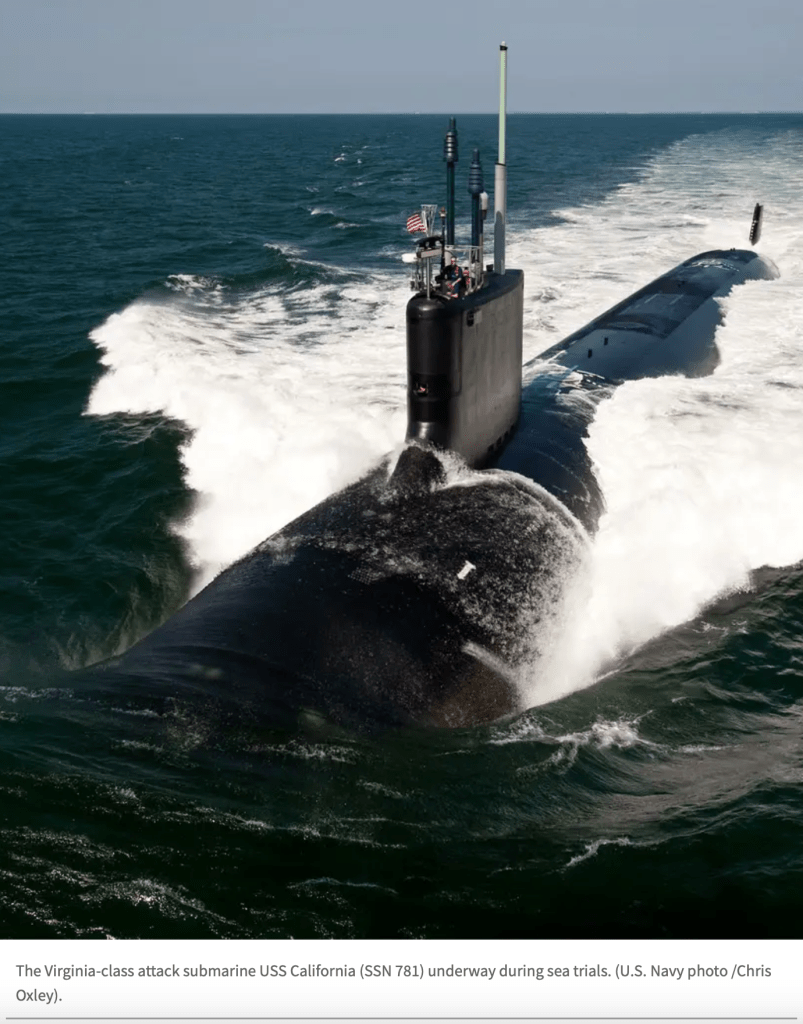
Though that early attempt failed, the desire to improve submersible technology led to today’s nuclear-powered submarines. The U.S. Navy just christened its latest Virginia class fast attack submarine, the USS Idaho, during a ceremony on Saturday, marking it as the 26th boat in its class to be christened.
But, with recent budget cuts, the construction start date of the Navy’s latest class of submarines — the SSN(X) — is delayed until the early 2040s. With the replacement of the Virginia Class submarine being postponed for the third time, the current submarines will remain in active service.
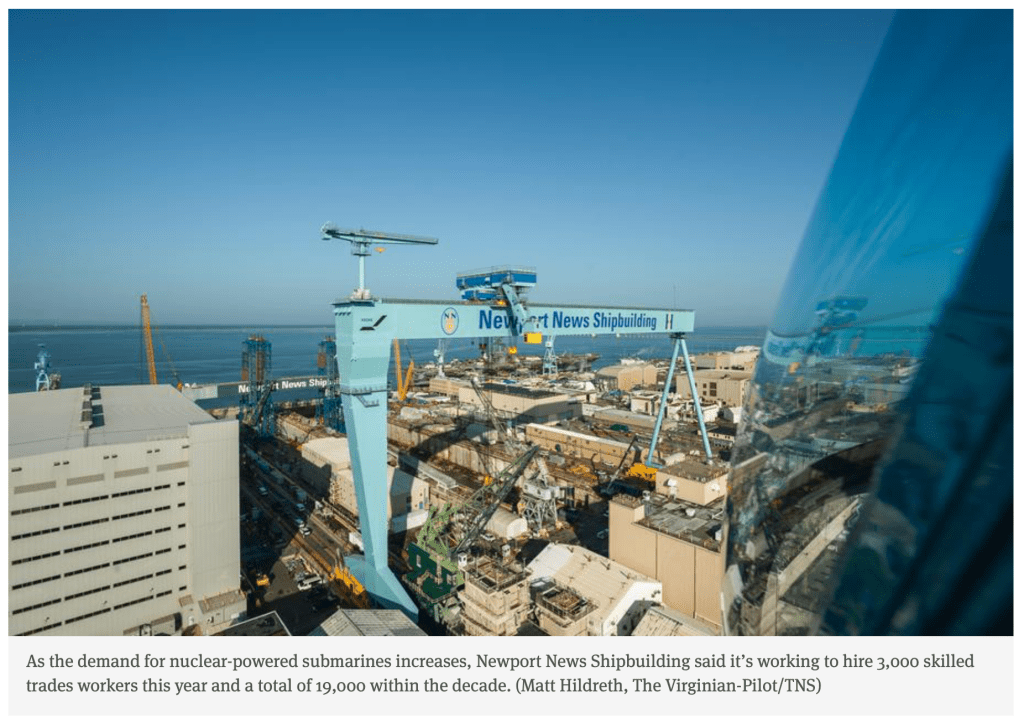
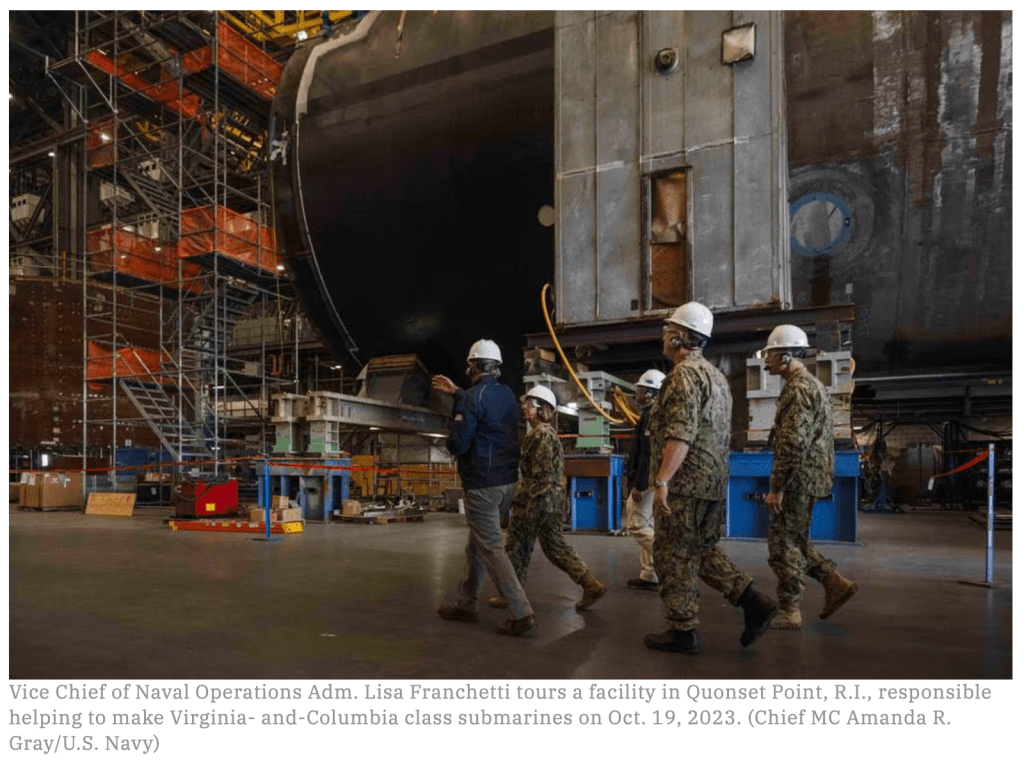
(Tribune News Service) — As the demand for nuclear-powered submarines increases, Newport News, Va., Shipbuilding said it’s working to hire 3,000 skilled trades workers this year and a total of 19,000 within the decade.
“We are making intentional investments and collaborating with community leaders to ensure we have a robust pipeline for hiring and strong partnerships to meet hiring needs,” Newport News Shipbuilding spokesperson Todd Corillo said.
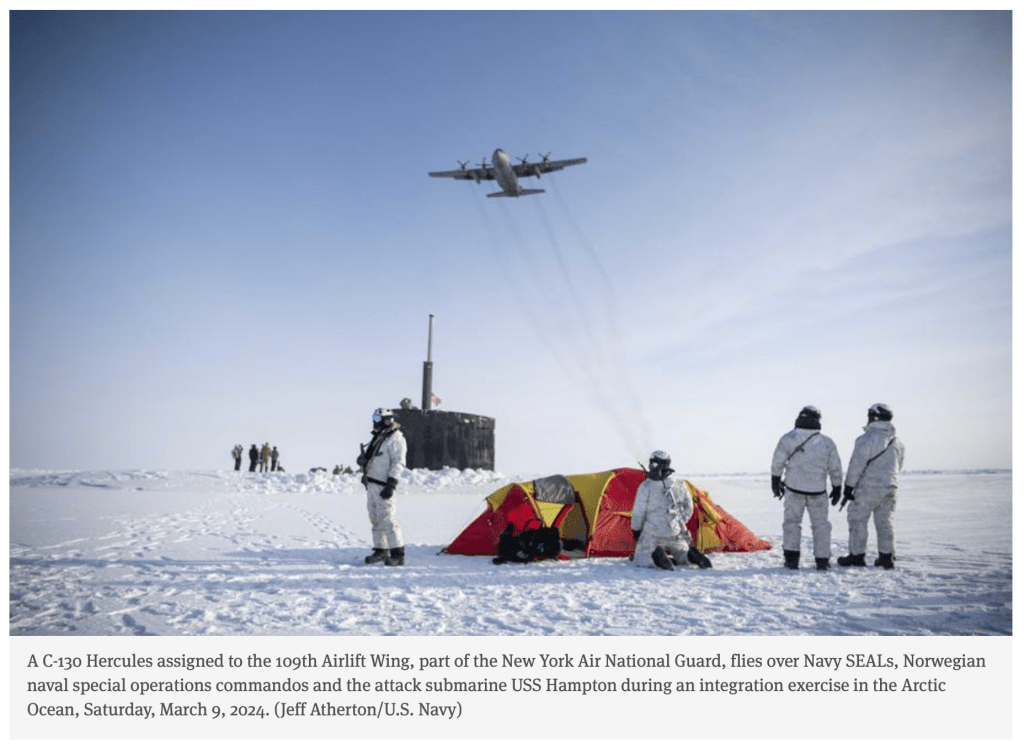
STUTTGART, Germany — U.S. special operators and allied commandos moved across frozen tundra in snowmobiles and linked up with a fast-attack submarine after it cracked through a thick sheet of ice, marking a first in the Arctic Circle, military officials said this week.
The Navy fired the commanding officer of the guided-missile submarine Ohio’s gold crew on Monday.
The service said it removed Capt. Kurt Balagna, who has served as the commanding officer of the vessel since at least 2021, due to a “loss of confidence in his ability to command.”
The U.S. Navy’s fiscal 2025 budget request includes money for one Virginia-class attack submarine instead of the planned two, but still represents “a prioritization and very significant investment in undersea warfare capabilities,” the service’s undersecretary said Friday, arguing this is not contradictory.
The Navy has been buying its attack subs at a rate of two per year since FY11, but industry has not kept up in recent years, delivering closer to an average of 1.2 boats annually. The service spent $2.3 billion from FY18 to FY23 to change that, hoping to not only get industry up to an on-time delivery rate of two per year, but then to a rate between 2.3 and 2.5 to support the AUKUS submarine partnership with Australia and the United Kingdom.
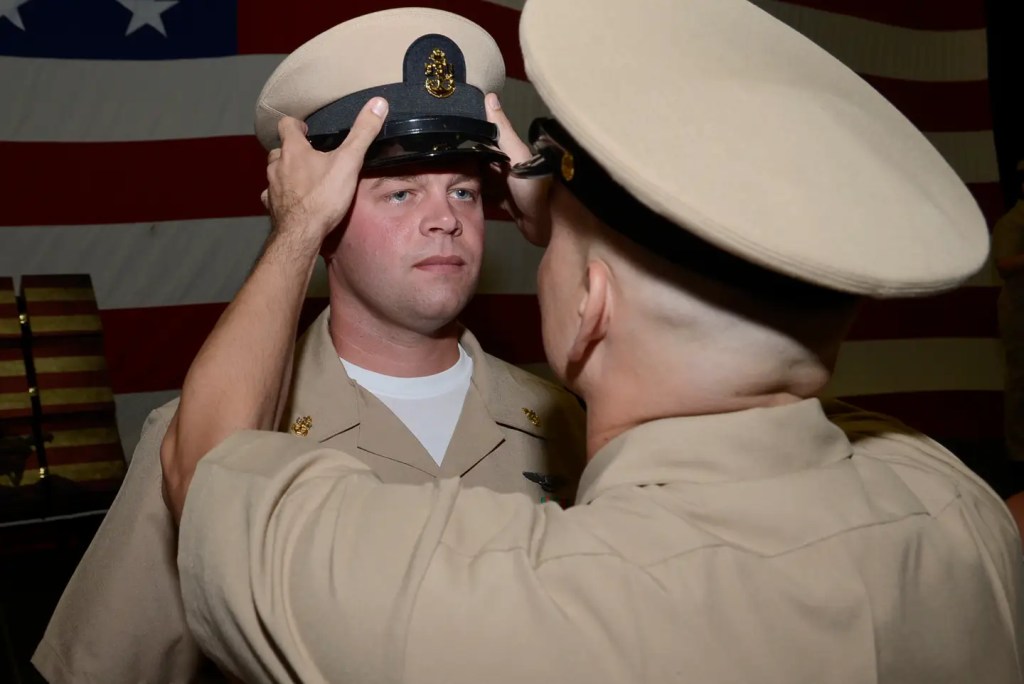
In the U.S. Navy, the Chief’s Mess is the cornerstone of every unit. It’s the vital link between the lower enlisted and the higher echelons of the command.
In order to make it into the mess, a sailor must be selected for the rank of chief petty officer out of their peer group and undergo the chief’s season, or what is currently called the chief’s initiation.
The Virginia-class attack submarine New Jersey has returned to Newport News, Va., after several days at sea testing systems and components, Huntington Ingalls Industries announced Thursday.
Tests included submerging for the first time and conducting high-speed maneuvers on the surface and below.
“Taking New Jersey out for the first time is a significant milestone, and the first major test of the submarine’s capabilities at sea,” said Jason Ward, Newport News Shipbuilding vice president of Virginia-class submarine construction. “Both New Jersey and her crew performed exceptionally well.”