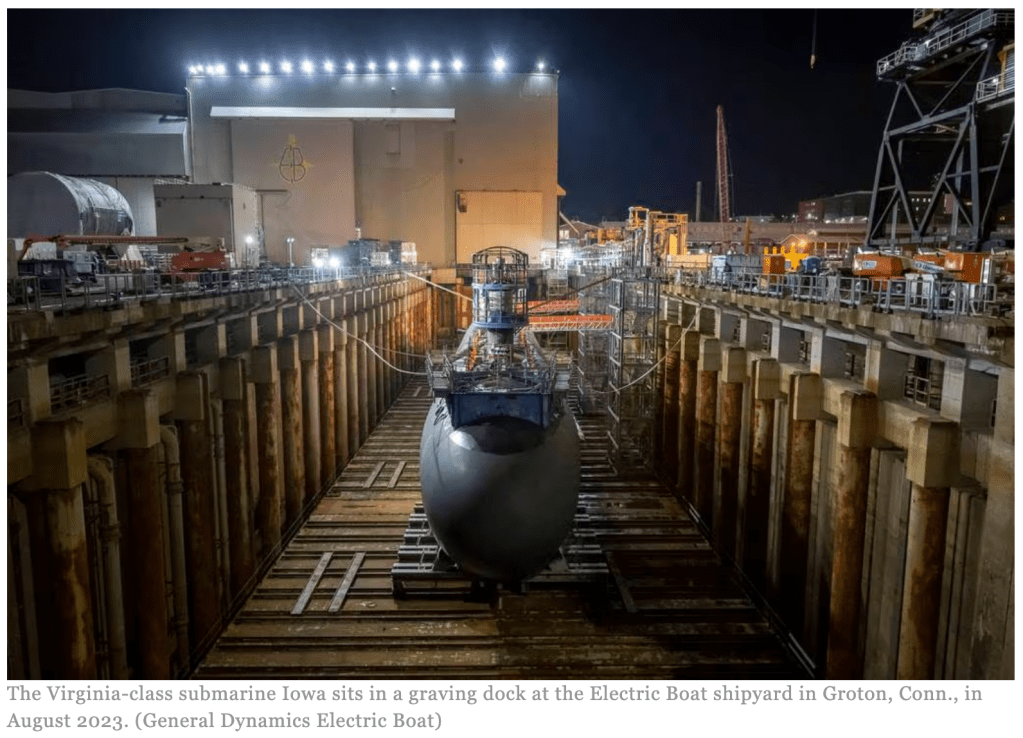
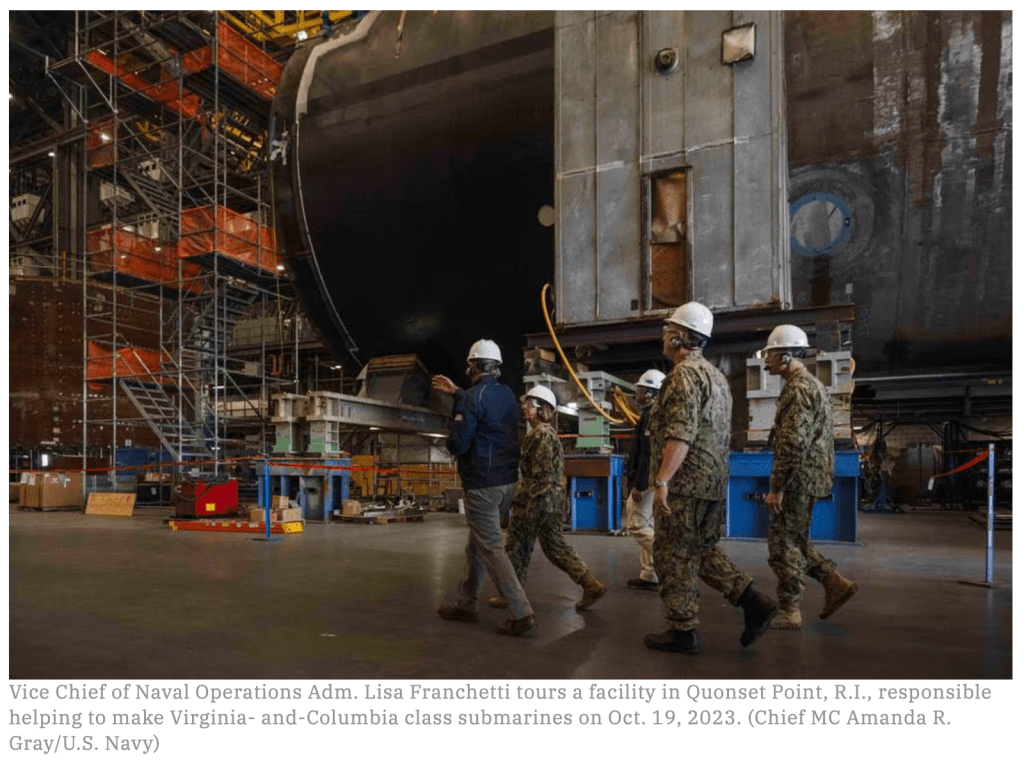
A House panel has made clear it wants the Navy to buy two attack submarines in fiscal 2025 in order to keep the submarine-industrial base on a path of recovery, despite the service requesting just one.
In a fiscal year when the defense budget is capped at 1% growth above the previous one, the Navy elected to ask for six ships in its FY25 budget, including one Virginia-class attack submarine. That submarine program is supposed to be on a cadence of two per year or greater to support the needs of both the U.S. and Australian navies. The latter is acquiring submarines as part of the trilateral AUKUS agreement also involving the U.S. and the U.K.
On Friday April 12, 2024 at the Hilton Hawaii Village Coral Ballroom, over 1200 enlisted submariners active and retired, Commander Submarine Force U.S. Pacific Fleet RADM Richard Seif, Submarine Commanding Officers, their spouses, and guests celebrated the 124th Anniversary of U.S. Submarine Force.
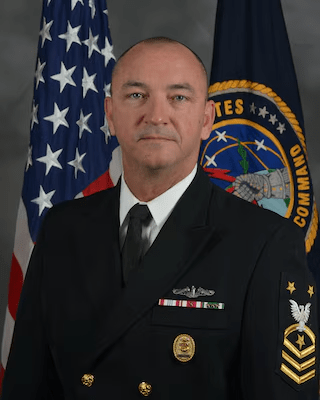
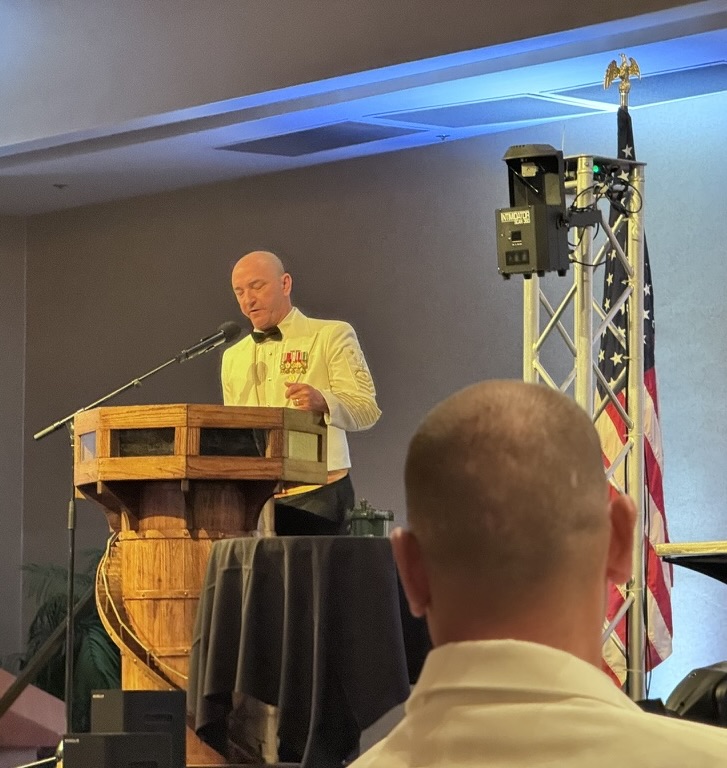
Commander, U.S. Fleet Forces Command Master Chief, FLTCM(SS) John Perryman was this year’s keynote speaker.
Master Chief Perryman served as Chief of the Boat on USS Hawaii (SSN 776), Senior Enlisted Leader on CSP Tactical Readiness Evaluation Team, Command Master Chief for COMSUBGRU SEVEN, Force Master Chief for Commander, Submarine Force Atlantic, and Senior Enlisted Leader for U.S. Strategic Command.
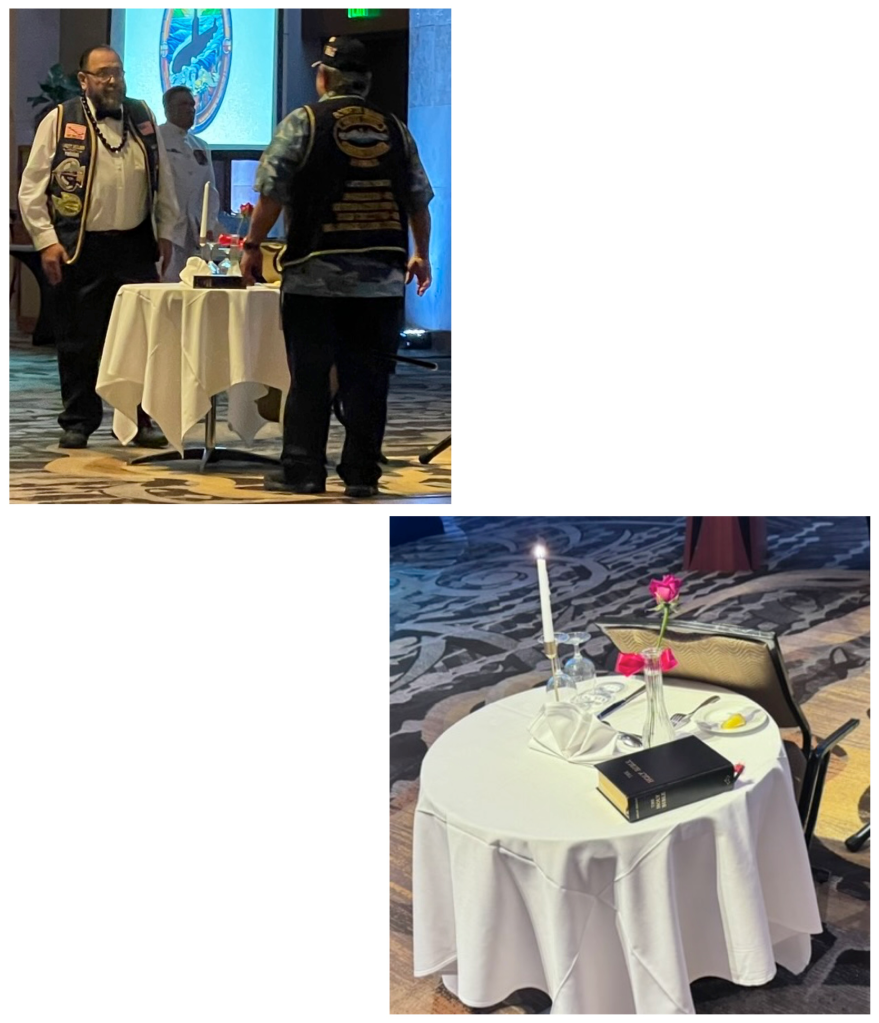
Bowfin Pearl Harbor Base submarine veterans MMC(SS) Ret. Pat Suenaga and YNCS(SS) Ret. Brett Kulbis assisted in the POW/MIA ceremony to honor our missing comrades in arms.
Master Chief Perryman’s remarks, following his wife’s advice of be good, be quick, and be gone, were not only inspirational but were a testament to the his deep appreciation for the enlisted submarine sailors.
Master Chief Perryman compared today’s submariners with the persistence and tenacity of the crew of the USS Archerfish (SS-311) going through four war patrols without a hit. Then on their 5th war patrol sinking the Shinano, the biggest aircraft carrier ever built at the time.
After closing his remarks, he led the 1200 attendees in the first verse of the submarine song.
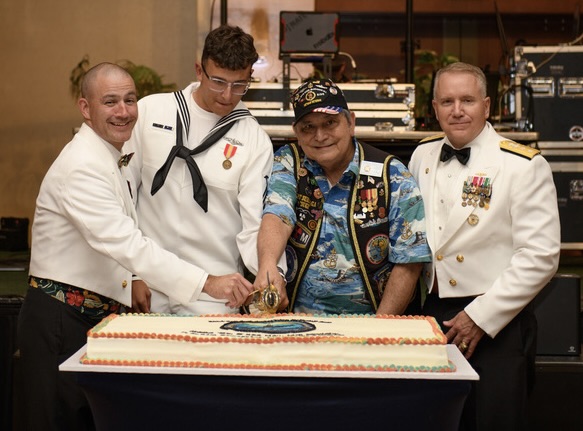
Following dinner, four newly qualified submariners received their dolphins, this also identified not only the newest, but youngest qualified submariner.
Now it was time to identify the oldest qualified submariner active or retired so the birthday cake can be cut. In typical fashion all qualified submariners were asked to stand up by Master Chief Amato (CSS-1). Beginning with 2020 he asked “Anyone qualified after 2020 please sit down.” Working down every 10 years, by time he hit 1990 only two remained, submarine veterans Brett Kulbis and Pat Suenaga. Upon announcing 1980 only MMC(SS) Ret. Pat Suenaga remained.
The 124th Enlisted Submarine Birthday Ball closed in the time honored tradition of recognizing the senior enlisted leaders (COBs and CMDMCs).
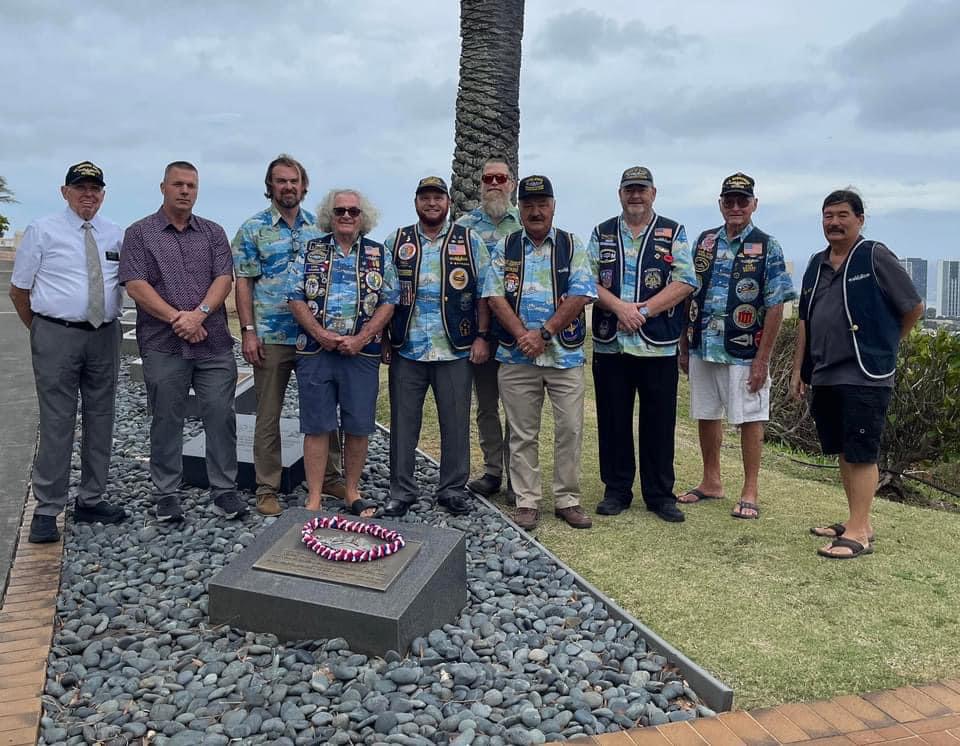
USSVI Bowfin Pearl Harbor Base Veterans conducted their annual re-dedication of the Submarine Veterans Memorial on the Memorial Walk-Way at the National Memorial Cemetery of the Pacific.
“The Submarine Veteran plaque was dedicated and placed here on April 18, 2000 and we conduct a small re-dedication ceremony every year on the anniversary of the U.S. Submarine Force,” said Base Commander Paul Jurcsak.
That’s the question Secretary Carlos Del Toro asked in February, as it emerged that labor shortages were delaying construction on the lead frigate of the Navy’s new Constellation class. But that wasn’t the only program behind schedule, and so Del Toro ordered up a 45-day review of all of his service’s shipbuilding efforts. When the Navy revealed its findings in early April, the study showedevery major program was a year and a half to three years behind schedule.
What comes next isn’t yet clear. “We don’t have detailed plans of action, milestones, initiatives—we are identifying and deeply looking into where we are now in a ‘get real, get better’ approach,” Nickolas Guertin, the Navy’s chief buyer, told reporters at the Pentagon. “We found that we have issues that need to be resolved…But we don’t have all those things completely nailed down yet.”
The first recorded submarine attack in naval combat happened in 1776. An American submersible craft dubbed “Turtle” attempted to attach a time bomb to the British flagship called “Eagle,” which was a part of the Boston Harbor blockade.
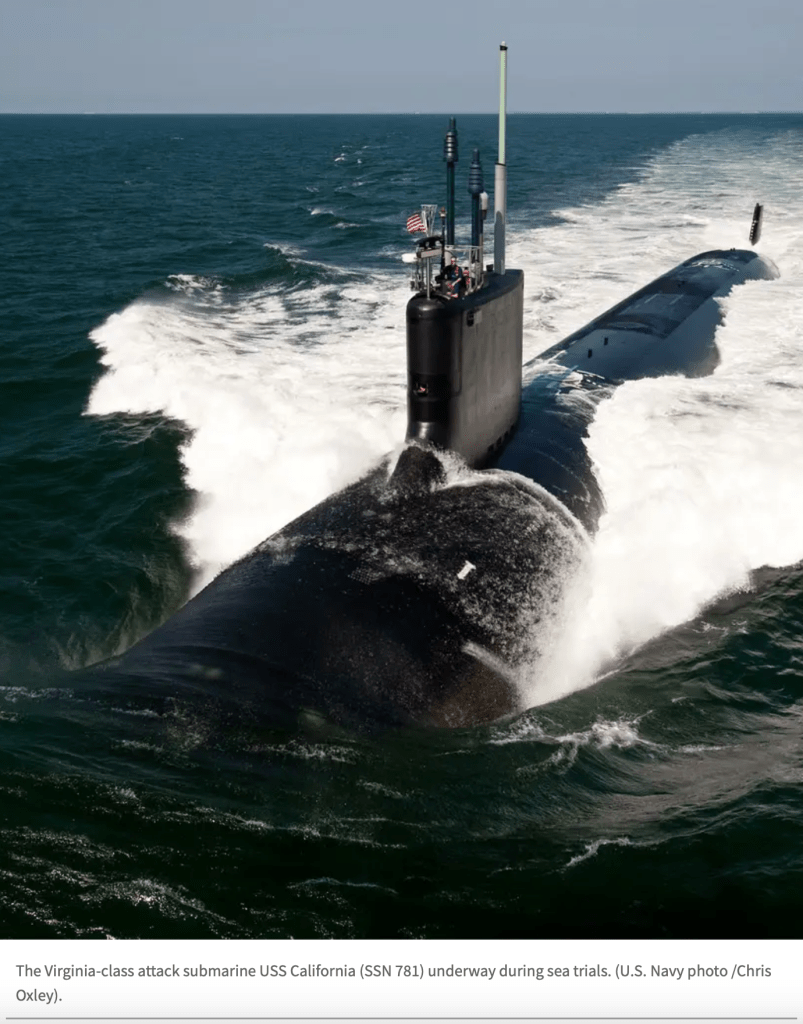
Though that early attempt failed, the desire to improve submersible technology led to today’s nuclear-powered submarines. The U.S. Navy just christened its latest Virginia class fast attack submarine, the USS Idaho, during a ceremony on Saturday, marking it as the 26th boat in its class to be christened.
But, with recent budget cuts, the construction start date of the Navy’s latest class of submarines — the SSN(X) — is delayed until the early 2040s. With the replacement of the Virginia Class submarine being postponed for the third time, the current submarines will remain in active service.
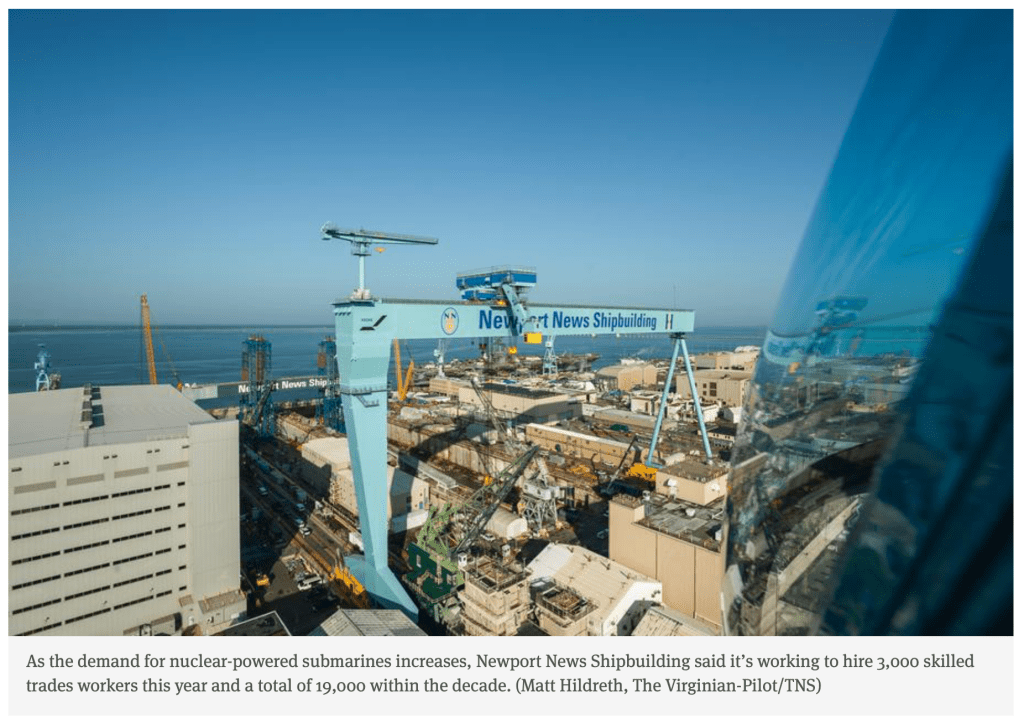
(Tribune News Service) — As the demand for nuclear-powered submarines increases, Newport News, Va., Shipbuilding said it’s working to hire 3,000 skilled trades workers this year and a total of 19,000 within the decade.
“We are making intentional investments and collaborating with community leaders to ensure we have a robust pipeline for hiring and strong partnerships to meet hiring needs,” Newport News Shipbuilding spokesperson Todd Corillo said.
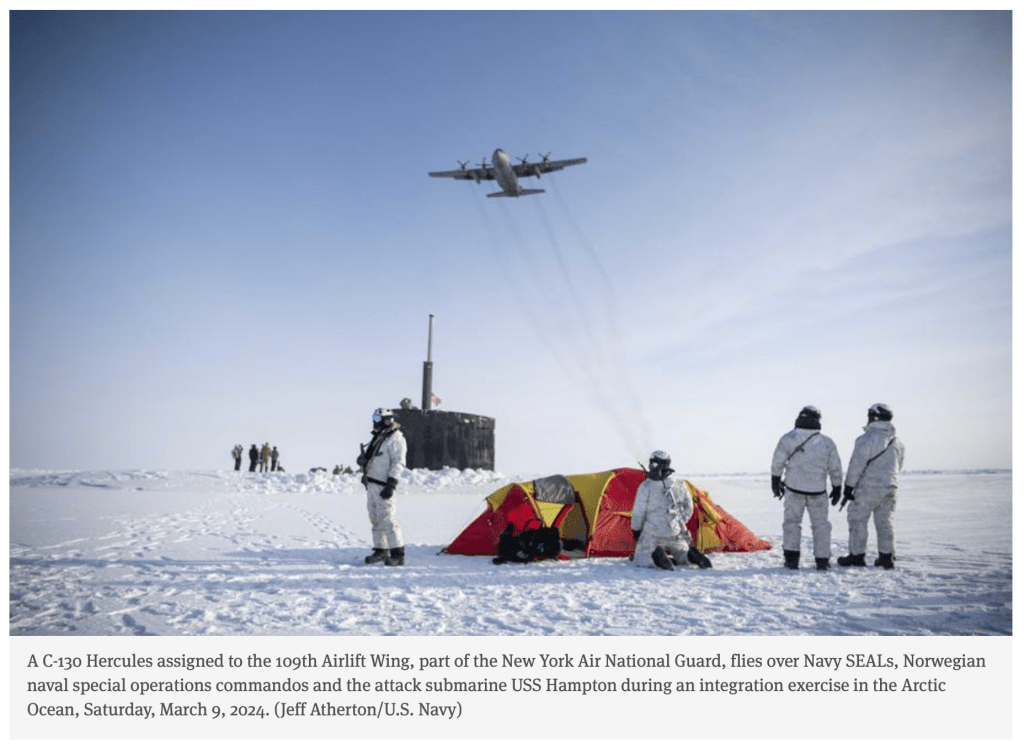
STUTTGART, Germany — U.S. special operators and allied commandos moved across frozen tundra in snowmobiles and linked up with a fast-attack submarine after it cracked through a thick sheet of ice, marking a first in the Arctic Circle, military officials said this week.
The Navy fired the commanding officer of the guided-missile submarine Ohio’s gold crew on Monday.
The service said it removed Capt. Kurt Balagna, who has served as the commanding officer of the vessel since at least 2021, due to a “loss of confidence in his ability to command.”
The U.S. Navy’s fiscal 2025 budget request includes money for one Virginia-class attack submarine instead of the planned two, but still represents “a prioritization and very significant investment in undersea warfare capabilities,” the service’s undersecretary said Friday, arguing this is not contradictory.
The Navy has been buying its attack subs at a rate of two per year since FY11, but industry has not kept up in recent years, delivering closer to an average of 1.2 boats annually. The service spent $2.3 billion from FY18 to FY23 to change that, hoping to not only get industry up to an on-time delivery rate of two per year, but then to a rate between 2.3 and 2.5 to support the AUKUS submarine partnership with Australia and the United Kingdom.
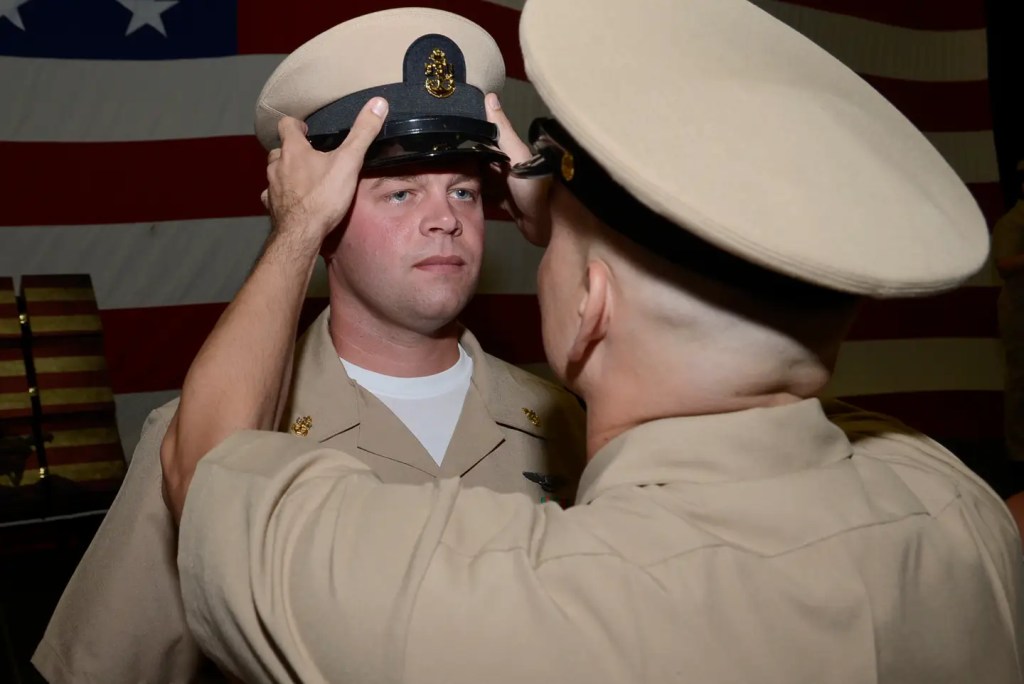
In the U.S. Navy, the Chief’s Mess is the cornerstone of every unit. It’s the vital link between the lower enlisted and the higher echelons of the command.
In order to make it into the mess, a sailor must be selected for the rank of chief petty officer out of their peer group and undergo the chief’s season, or what is currently called the chief’s initiation.





 Bowfin Pearl Harbor Base