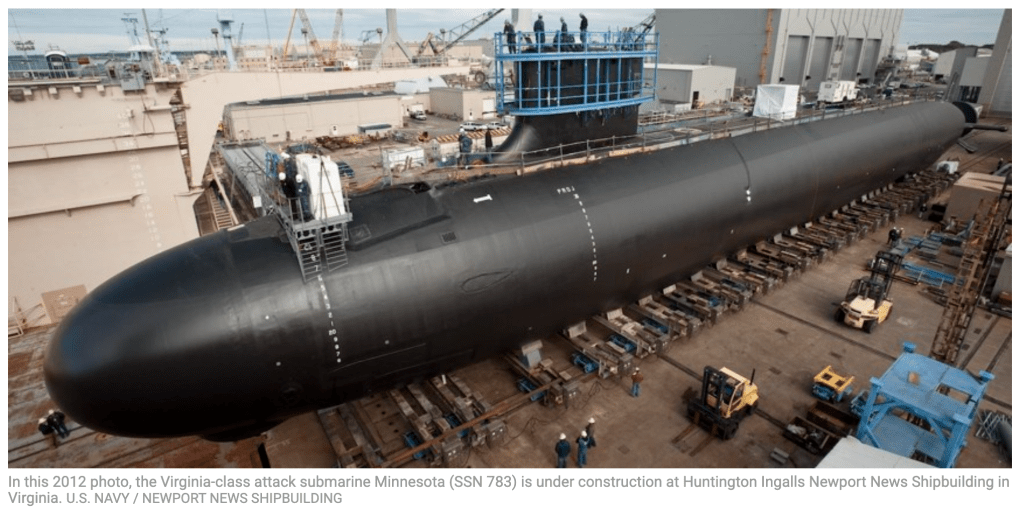
The Navy and its nuclear submarine shipbuilders are closing in on a deal to put two long-awaited Virginia-class submarines under contract, company leaders said in earnings calls over the last week.
Supported by a $5.7 billion anomaly for submarine construction in the most recent continuing resolution to fund the federal government, the Navy, General Dynamics Electric Boat and HII’s Newport News are finalizing the detail design and construction contracts for the Block V Baltimore (SSN-812) and Atlanta (SSN-813) attack submarines following an injection of funds to make up for cost overruns.
The Periscope is a monthly publication of the Los Angeles-Pasadena Base of USSVI.
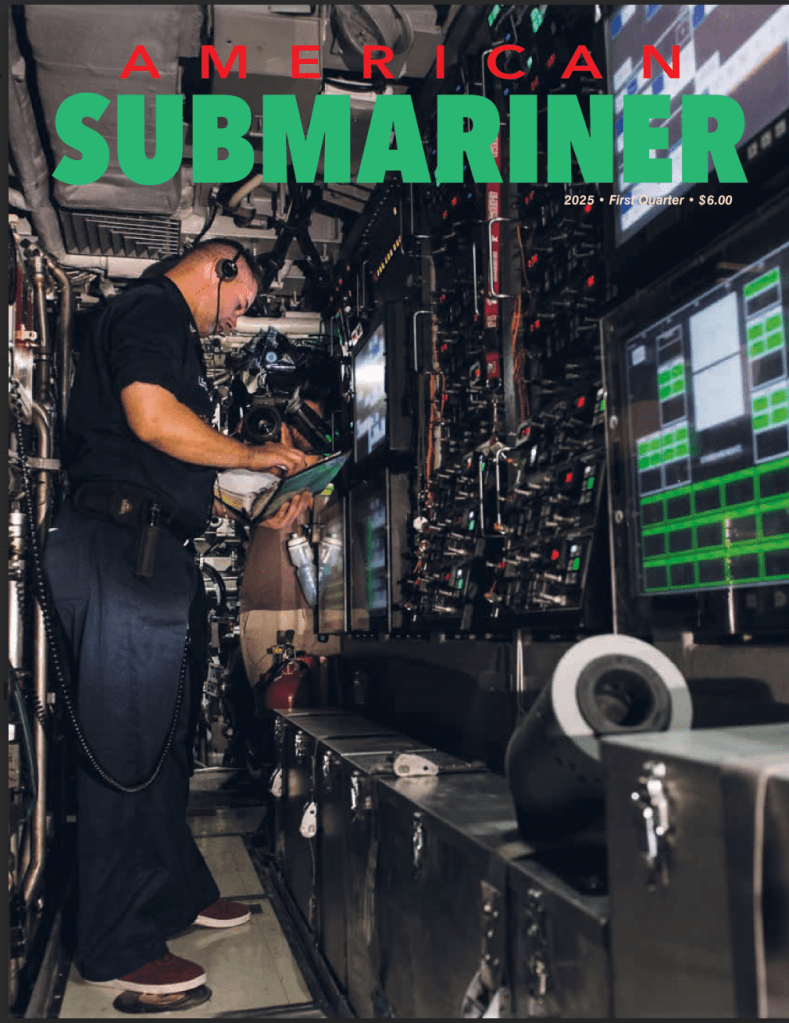
What’s Inside General Meeting Minutes Tolling the Boats Columbia to be Ready in 2030 First Virginia Goes to Guam Quiet Brit Astute-Class Subs Dex Armstrong Chapter News Calendar of Upcoming Events E-Board Meeting Minutes “We Knew. And Yet, We Went” 2025 Sub Calendars Available
Leadership Transition as Charles Merkel Retires and Homer Ring Takes the Helm
Earlier this month, the Pacific Fleet Submarine Museum (PFSM) announced that Executive Director Charles “Chuck” Merkel will retire on May 1 of this year, marking the end of a distinguished nine-year tenure defined by transformative leadership. The museum’s Board of Directors has named Andrew “Homer” Ring as Merkel’s successor.
The fast-attack submarine USS Indiana arrived in Gibraltar as part of a regularly scheduled visit, Cmdr. Timothy Gorman, a spokesman for U.S. 6th Fleet, said in a statement on Saturday. The statement did not indicate how long the submarine would remain in Gibraltar.
The nation’s largest shipbuilder wants to expand its manufacturing facilities this year to speed up and streamline production of nuclear submarines amid ongoing delays, ballooning costs, and labor woes.
The goal is to improve cost and throughput by going “where the labor is,” said Huntington Ingalls Industries’ CEO Christopher Kastner.
To perpetuate the memory of our shipmates who gave their lives while voluntarily serving in submarine warfare in the pursuit of their duties while serving their country. That their dedication, deeds and supreme sacrifice be a constant source of motivation toward greater accomplishments. To further promote and keep alive the spirit and unity that existed among submarine crewmen during World War II. To promote sociability general welfare and good fellowship among our members. To pledge loyalty and patriotism to the United States of America and it’s constitution.
1. Bowfin Pearl Harbor Base
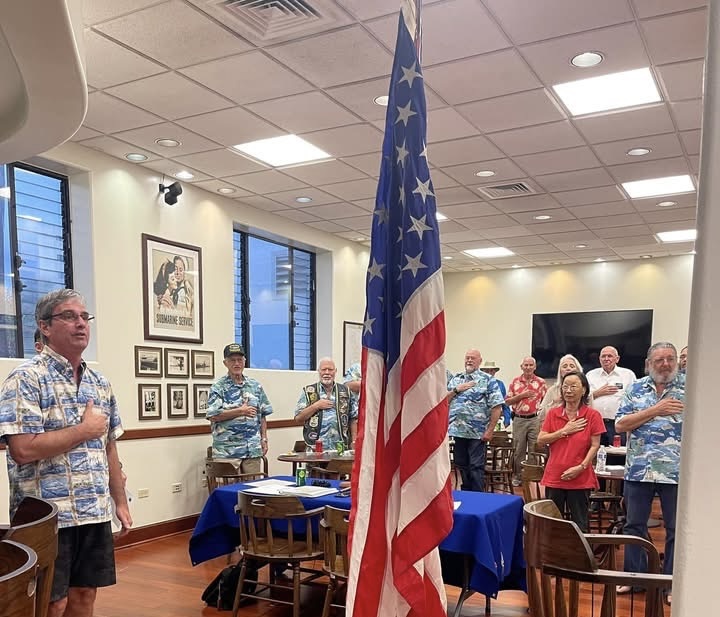
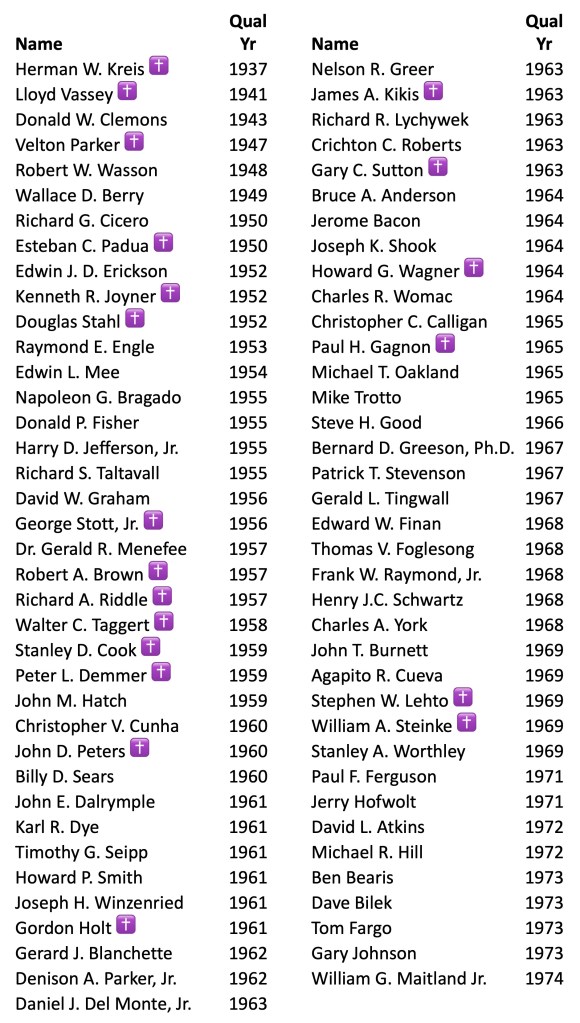
Bowfin Meeting – We conducted our January meeting at Clean Sweep Bar, Lockwood Hall. The following members attended – Base Commander Paul Jurcsak, Secretary Brett Kulbis, Treasurer Carleton Tatro, COB Gary Johnson, and members Dave Atkins, David Bilek, Rodney Boucher, Allen Clemons, Dan Del Monte, Frank Diaz, Nelson Greer, Ben McGowan, Crichton Roberts, Pat Suenaga, Wade Thode, Ken Voorhees, and Joe Winzenried.
Welcomed Guests – Dolores Brown, Miya Bilek, Judy McGowan, Edie Clemons, Wesley and William Thode. We also welcomed new Associate Member Thomas Schmidt.
Binnacle List – Please keep all our members and their families in your good thoughts and prayers.
Hauʻoli Lā Hānau! Bowfin Birthdays for the month ofJanuary.
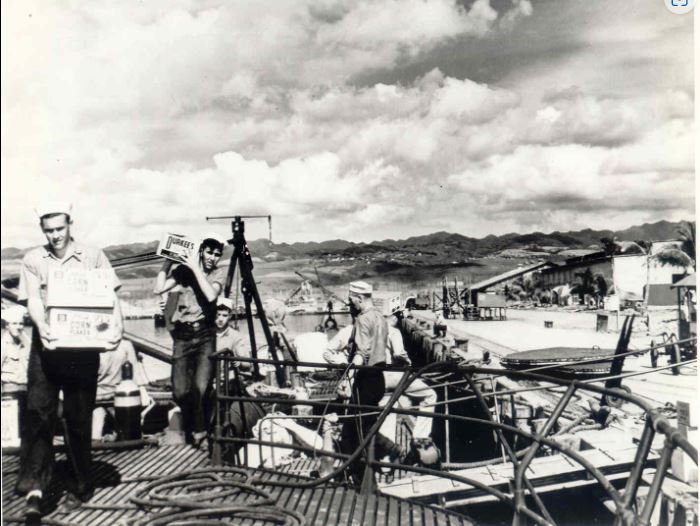
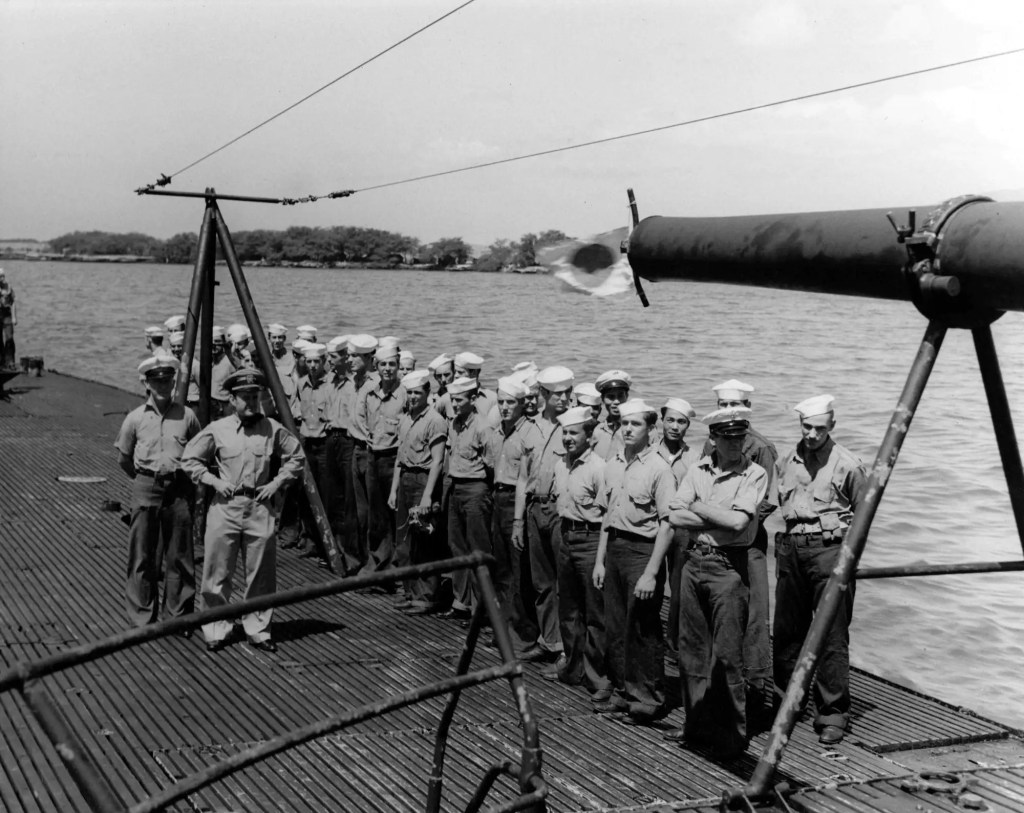
1996 – USSV of WWII Hawaii Chapter begin conducting monthly meetings at Clean Sweep Lounge, Lockwood Hall, Naval Submarine Base Pearl Harbor. 1972 – Submarine Memorial Pearl Harbor plaque inscription approved. 1920 – Lieutenant Chester W. Nimitz accepts property for Naval Submarine Base Pearl Harbor. 1919 – Submarines R-15 to R-20 arrive early in 1919 to establish the Submarine Base at Pearl Harbor.
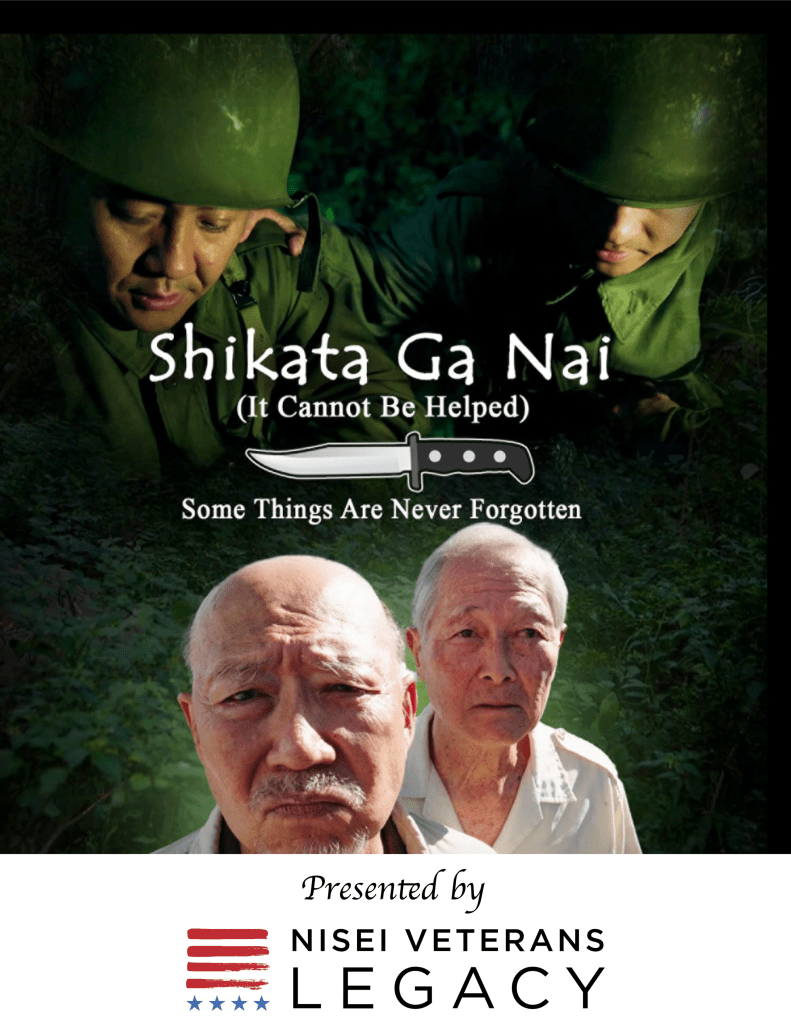
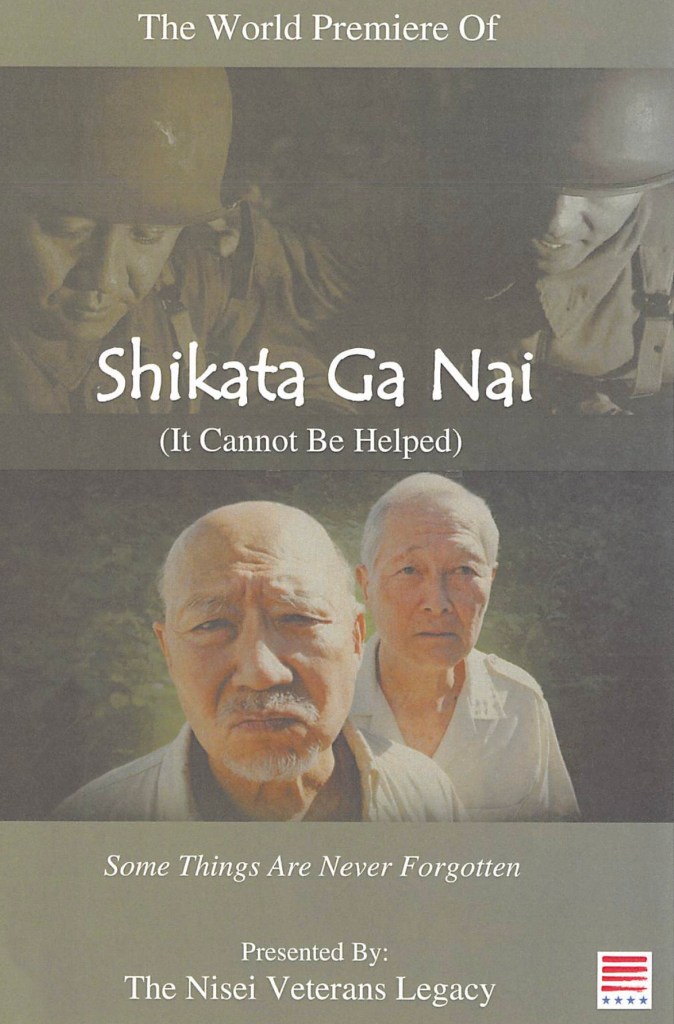
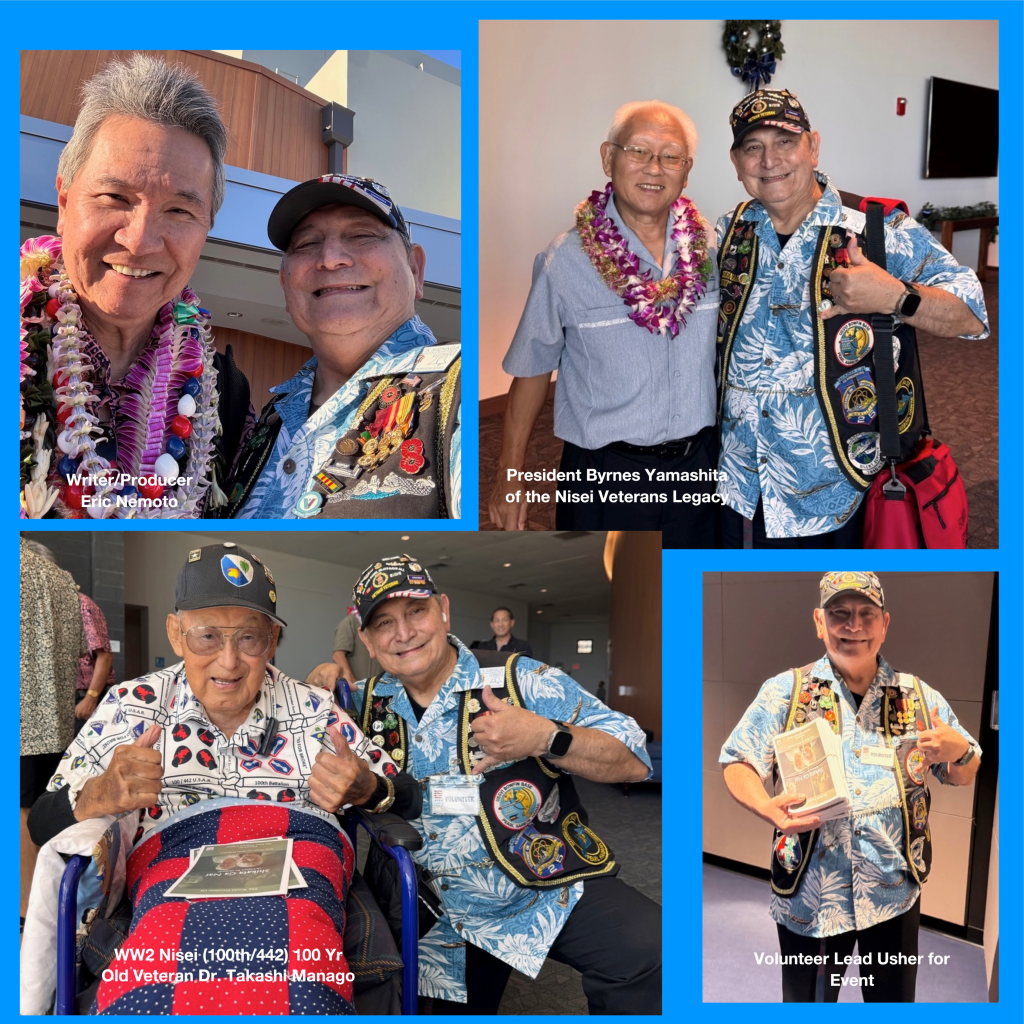
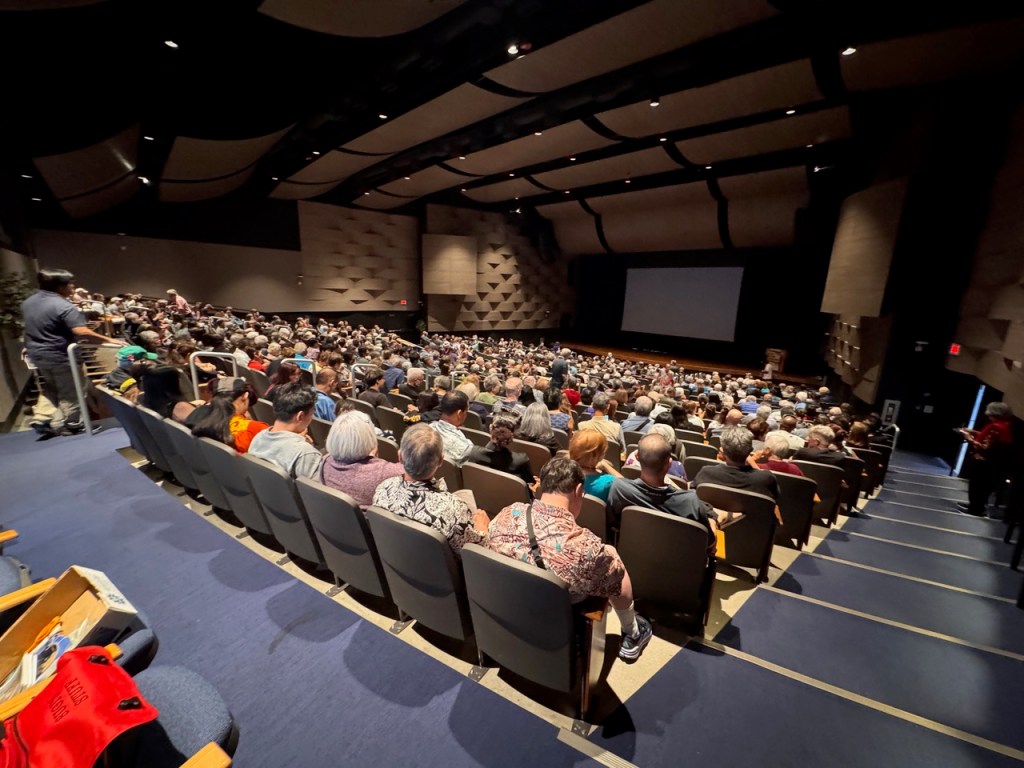
On December 29, 2024 the Hawai’i production of “Shikata Ga Nai (It Cannot Be Helped)” premiered at the Moanalua High School Performing Arts Center.
Movie production was started just before the beginning of the COVID pandemic in 2019 and thus took five years to produce. It was supposed to premier in 2022, but due to all the COVID restrictions caused delay until now.
Storyline: It is 1999, and Tatsuo “Tats” Kaneshiro is a veteran of WWII living out his autumn days in the quiet seclusion of his suburban home in Hawaii. A member of the famed 442 RCT, the all Nisei (second generation Japanese American) infantry regiment that became the most decorated war unit in American history, Tats spends his time tending to his garden, watching television, and occasionally entertaining company like an old army buddy he plays chess with. His single parent daughter, Lynn, who has moved back home after her divorce, and attention deficit grandson, Ryan, live with him. But the peace that seemingly hovers over his daily existence masks his internal struggle. For though the war has been over for 50 years, Tats relives it every day due to a haunting secret about his time in battle that he has kept to himself. Inspired by the true life tendencies of many 442 veterans who have never told their families of their war experiences, “Shikata Ga Nai” tells of the battles that these now declining heroes have faced on their own without no one else knowing. Watch trailer HERE.
Bowfin Submarine Veteran Pat Suenaga volunteered to help for this movie premiere and provided the pictures below.
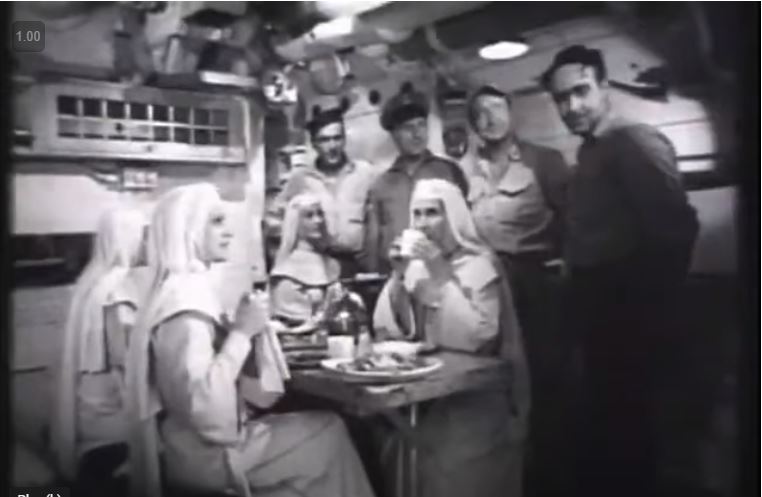
The Story of the Nautilus and the Nuns – New Years 1943 by Mister Mac
Eighty-two years ago this week, the submarine Nautilus shifted from her incredible role as a hunter killer to perform a mission of mercy. This is the story about the rescue of twenty nine refugees including four American nuns who became stranded behind Japanese enemy lines during World War II.
The Nautilus was originally named and designated V-6 (SF-9), but was redesignated and given hull classification symbol SC-2 on 11 February 1925. Her keel was laid on 10 May 1927 by the Mare Island Naval Shipyard of Vallejo, California. She was launched on 15 March 1930 sponsored by Miss Joan Keesling, and commissioned on 1 July 1930.
She was being refit in Mare Island during the Pearl Harbor attack but was ready by the time the Battle of Midway occurred. Her exploits included a daring raid on Makin Island landing a party of Marine Raiders. But this mission was certainly nothing the men had been prepared for.
The Nuns
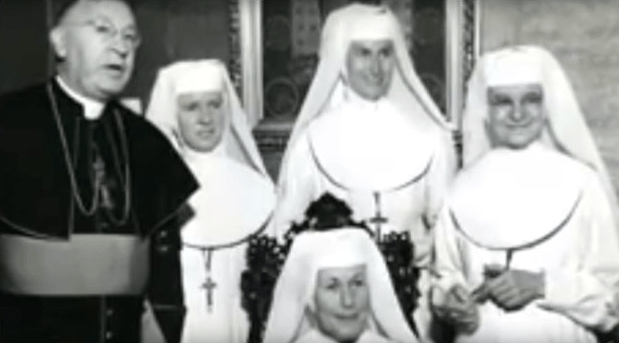
Two of the Sisters were teachers, and two were nurses. They had arrived in the Solomon Islands in December 1940. These young women were new to missionary life, confronting an unknown culture for the first time, and did not speak the languages spoken on the various islands. Also, they had to learn how to get around the jungle. One year after they arrived, the Japanese attacked Pearl Harbor.
The Japanese quickly occupied many of the islands in the South Pacific. The nuns had been deeply involved in a village on the island of Buka. They had no idea that the Japanese wanted Buka for an airfield.
Sister Hedda Jager was the nun in charge of journaling their experiences. No matter what kind of day she was having, she always managed to record the day’s happenings.
As the Japanese get closer and closer, Sister Hedda records how their lives morphed from working as missionaries to being filled with sheer terror. They made it to Bougainville where they learned how other missionaries in the Solomons had been tortured and executed.There were Marist missionary priests on the island and, knowing what the fate of the nuns would be if captured, they managed to hide the Sisters for months in the jungle. On New Year’s Eve 1942, the priests managed to get the Sisters and 25 others to the beach in Teop Harbor. It was then they all learned that a submarine would be their means of rescue.
A Number of Ladies
The next day, and for several days thereafter, the United States submarine Nautilus patrolled the coast of Bougainville. Lieut. Comdr. William H. Brockman Jr. was looking for a fat target but received instead a message from Adm. Bull Halsey’s headquarters ordering him to proceed to Teop Bay on the northeast coast of Bougainville to evacuate some civilian personnel.
“How many women can you take care of?” Lieut. Phil Eckert, the communications officer, asked Ensign Davis, the commissary officer.
“Any number, Sir,” Ensign Davis said.
Davis, Eckert and Bill Brockman were in for a surprise. Waiting at a mountain village named Tsipatavai, or soon to arrive there, were 14 missionary nuns, four other women, three young girls, two priests, five planters and the Austrian manager of a plantation‐29 refugees. They had been rounded up by the missionary priest, Father Albert Lebel of Brunswick, Me., with the aid of Jack Read, the coast watcher on northern Bougainville. (Read’s laconic messages, “40 bombers heading yours,” were a legend in the South Pacific).
Bishop Thomas Wade had put Father Lebel in charge of evacuating the nuns after four missionaries were executed on Guadalcanal, and in November Father Lebel had set out to rescue two priests and three nuns whom the Japanese had under guard at a mission on the northern tip of Bougainville. He led a party of natives 30 miles through the jungle to Read’s station, then across the island to the mission, where they discovered that the sentries had taken the night off. Sister Claire and Sister Remy were unable to walk so natives carried them on cane chairs lashed to poles. Sister Henrietta followed on foot. They fled through the night, arriving at Tsipatavai the next day.
There they were joined by four middle‐aged Sisters of St. Joseph who had been on Buka since 1940—Sister Mary Isabelle Aubin of Newport, Vt.; Sister Mary Celestine Belanger of Lowell, Mass.; Sister Mary Heda Jaeger of Saskatchewan, and Sister Mary Irene Alton of Hunting- ton Beach, Calif. From Soveli, 90 miles to the south, Father Richard O’Sullivan brought four Maris? Sisters.
Read kept trying to arrange an evacuation but the answer was always the same: no planes or ships available. Finally he asked permission for Father Lebel to appeal directly to Halsey but they were still awaiting an answer on the day before Christmas when the Japanese raided Tinputz a few miles away. The three nuns there escaped to Tsipatavai. Father Allotte and Brother Gregor hid in the bush.
New Year’s Eve Party
Father Lebel interrupted midnight mass to say the refugees must run for the hills at once. With Sister Henrietta carrying a lantern they headed into the mountains, crossing great gorges, climbing all night. On Christmas Day word came that the Japanese had departed but they stayed in camp another night, singing carols under the stars.
It was Dec. 26 when Father Lebel got to send his message to Halsey: “Urgently request immediate evacuation of American women from Bougainville. Fear repetition of crimes on Guadalcanal. Teop and Tinputz harbors safe and convenient. Eternally gratefully.” For a touch of clout, he signed Bishop Wade’s name. Two days later Read received word that a submarine would probably be sent. On Dec. 31 he was advised it would “probably” come that night. From Tsipatavai the refugees started for Teop. They were to light signal fires on the beach at 10 P.M.
There was no sign of a submarine. Not at 10 o’clock, not at 11 that New Year’s Eve. Shortly after midnight, voices came faintly over the water. The launch from the Nautilus had capsized on the reef. She was righted and bailed, and the first load of 21 refugees was ferried to the Nautilus at 3 A.M.
On New Year’s Day 1943, in the early morning darkness, the submarine Nautilus pulled to within 100 feet of the beach and the terrified passengers were safely taken on board and brought to safety.
Sister Hedda wrote in her journal: “You cannot put into words the feeling that one has for those of one’s own country, especially when one is miles from home and running away from the Japanese.”
“Real sugar!” said Sister Hedda when she saw coffee and sandwiches prepared by Ensign Davis. “Real salt!” It was 4:41 when the launch returned with its second load, 5:37 when Nautilus submerged and crept out of the bay.
After months of taro and paupau, the passengers had a New Year’s Day dinner of soup, fried chicken and vegetables, including buttered asparagus, peach pie and fruit cake. The typewritten menu had a message: “Happy New Year to All Hands and Guests.”
That night when the sub came up for air, Bill Brockman received a message: “Congratulations, Nautilus. You were just ahead of the sheriff. Jap destroyer entered Teop harbor shortly after you left.”
There is more to the story which you can read HERE.
Carter received his first assignment with the battleship Wyoming, stationed at Norfolk, Virginia, where he served until the vessel was decommissioned in 1947. He then served on the battleship Mississippi as a training and education officer.
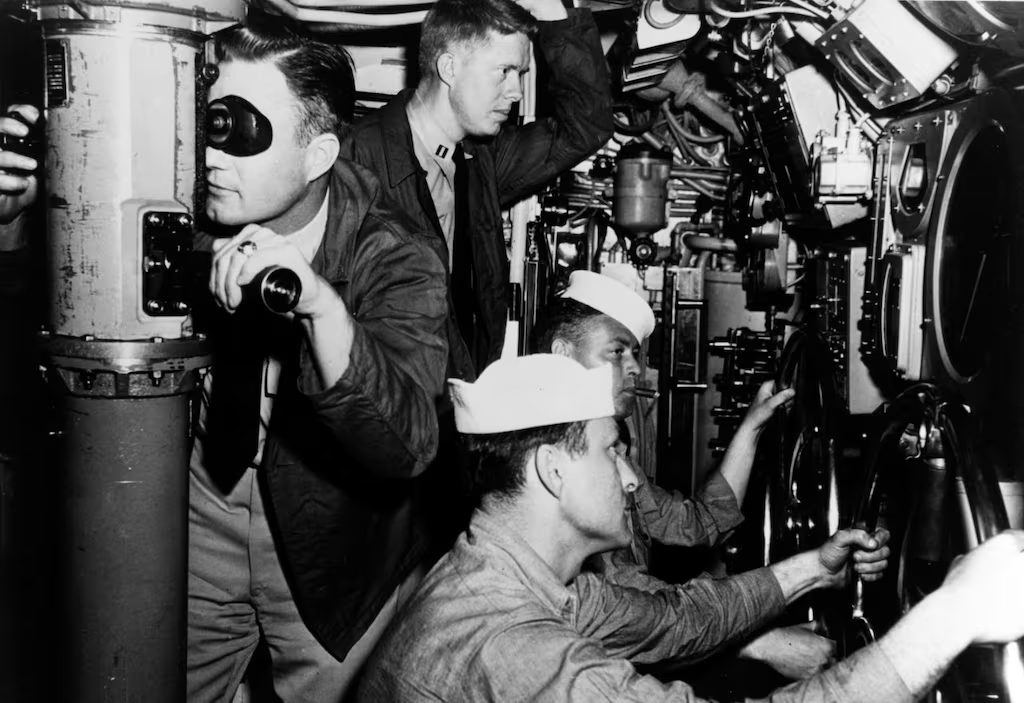
Following a six-month course at the U.S. Navy Submarine School in New London, Connecticut, Carter served aboard the Balao-class submarine Pomfret, based in Pearl Harbor, Hawaii, and later as an engineering officer with the K-1 submarine.
Jimmy Carter in the main control room of USS K-1 (SSK-1) between June and October 1952. (Naval History and Heritage Command)











 Bowfin Pearl Harbor Base