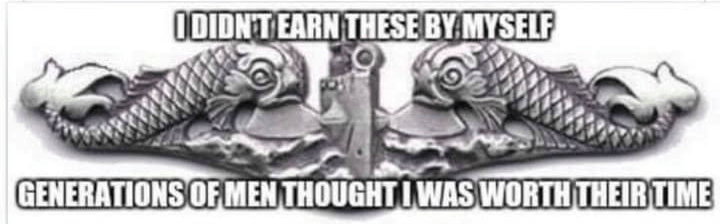
This March marks the 102nd anniversary of a proud milestone in our Silent Service: the approval for wear of the Submarine Warfare Insignia, forever known to every qualified submariner as the “Dolphins”.
On 24 March 1924, Acting Secretary of the Navy Theodore Roosevelt, Jr., gave final approval to the design that would identify those who had earned the right to serve beneath the waves. What began as a suggestion in June 1923 from Captain Ernest J. King (later Fleet Admiral and Chief of Naval Operations during World War II) became our enduring symbol of qualification, sacrifice, and brotherhood.
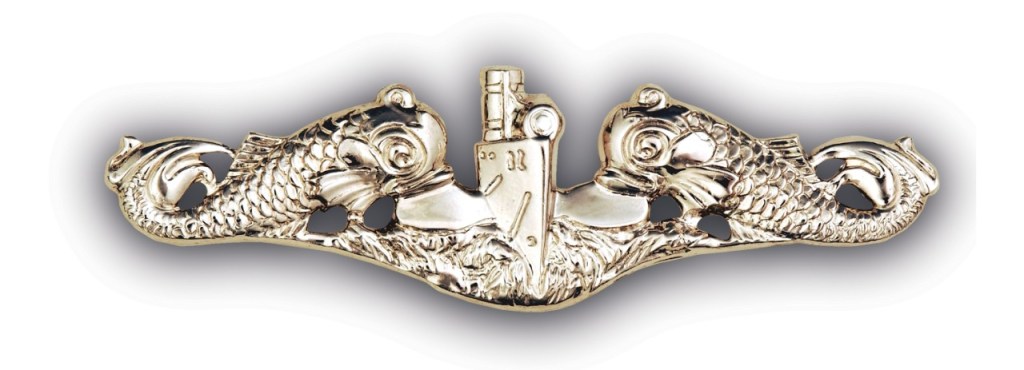
The design – a bow view of a surfaced O-class submarine flanked by two dolphins (actually the powerful dolphinfish, or mahi-mahi) resting on the bow planes – was crafted by the Philadelphia firm Bailey, Banks & Biddle. It was no accident that dolphins were chosen; these swift, intelligent creatures of the deep have long symbolized the sea and the unbreakable bond of those who dare to challenge it.
From that day forward, every officer and enlisted man who qualified in submarines wore the Dolphins with honor – gold for officers, silver for enlisted – on the left breast, a visible mark that they had mastered the most demanding duty in the Navy. Enlisted versions first appeared embroidered on sleeves before transitioning to the metal pin we know today.
Whether gold or silver, the Dolphins still mark the same truth they did in 1924: only those who have qualified know the true weight of the watch, the depth of the commitment, and the unbreakable bond of the Silent Service.
To all who wear them – past, present, and future – fair winds and following seas. May we continue to honor those who earned them first and those who still earn them today.
On June 6th, 1944 Allied soldiers, in one of the most pivotal battles of World War II, invaded the French coastline in order to propel German soldiers out of Western Europe and lead the way for victory against the tyrants of that era. Overlord was the largest air, land, and sea operation undertaken before or since June 6, 1944. The landing included over 5,000 ships, 11,000 airplanes, and over 150,000 service men. After years of meticulous planning and seemingly endless training, for the Allied Forces, it all came down to this: The boat ramp goes down, then jump, swim, run, and crawl to the cliffs. Many of the first young men (most not yet 20 years old) entered the surf carrying eighty pounds of equipment. They faced over 200 yards of beach before reaching the first natural feature offering any protection. Blanketed by small-arms fire and bracketed by artillery, they found themselves in hell. When it was over, the Allied Forces had suffered nearly 10,000 casualties; more than 4,000 were dead. Yet somehow, due to planning and preparation, and due to the valor, fidelity, and sacrifice of the Allied Forces, Fortress Europe had been breached.
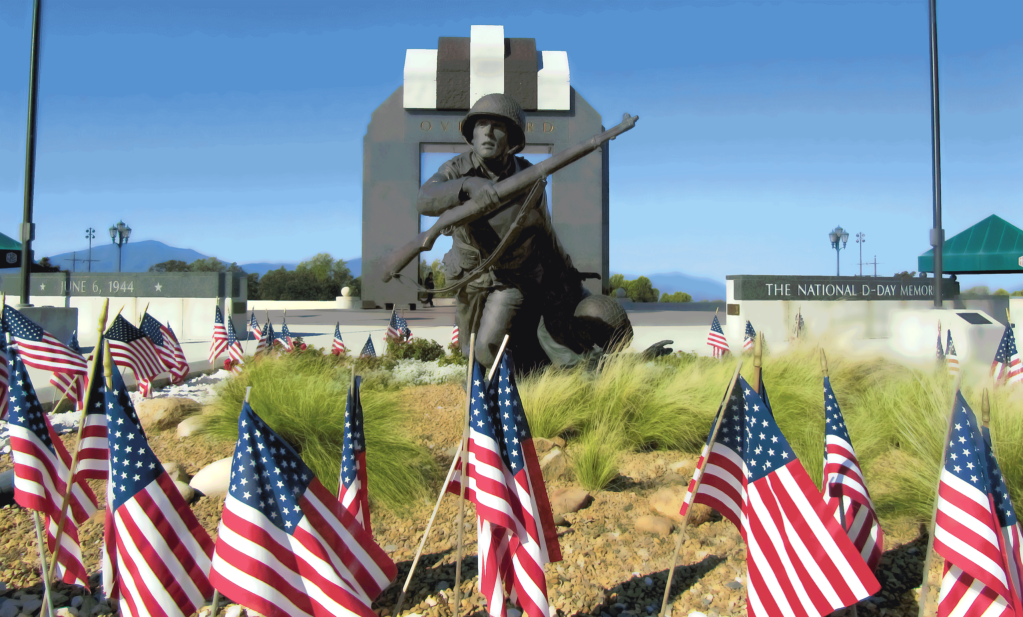
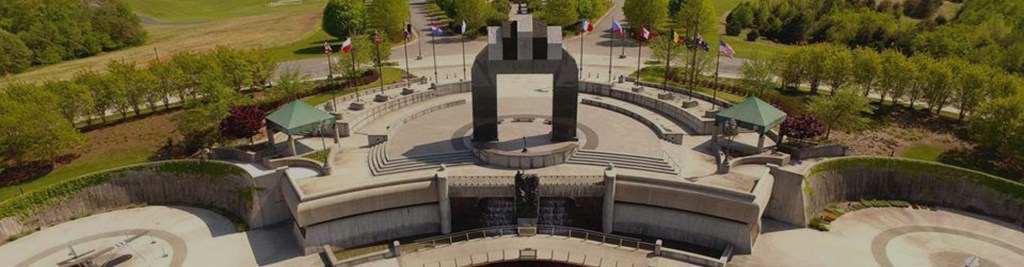
National D-Day Memorial
The National D-Day Memorial is a war memorial located in Bedford, Virginia. It serves as the national memorial for American D-Day veterans. However, its scope is international in that it states, “In Tribute to the valor, fidelity and sacrifice of Allied Forces on D-Day, June 6, 1944” and commends all Allied Armed Forces during the D-Day invasion of Normandy, France on June 6, 1944 during World War II.
The memorial, bordering the Blue Ridge Mountains in southwestern Virginia, is an area of over 50 acres that overlooks the town of Bedford.
Thirty-four Virginia National Guard soldiers from the town of Bedford were part of D-Day. Nineteen of them were killed during the first day of the invasion, and four more died during the rest of the Normandy campaign. The town and the “Bedford Boys” had proportionately suffered the greatest losses of the campaign, thus inspiring the United States Congress to establish the D-Day memorial in Bedford.
The Bedford Boys included three sets of brothers: twins Roy and Ray Stevens, with Ray killed during the landing while Roy survived, Clyde and Jack Powers, with Jack killed and Clyde wounded but surviving, and Bedford and Raymond Hoback, both killed. The losses by the soldiers from Bedford were chronicled in the best-selling book “The Bedford Boys” by Alex Kershaw, and helped inspire the movie Saving Private Ryan.
The X-Craft and D-Day
The landing at Normandy has come to mark the “beginning of the end” of the war in Europe. The Higgins landing craft has become synonymous with the invasion as the boat that won the war. However, one type of vessel that is often forgotten from the narrative is the British midget submarines that played a key role in the landing efforts.
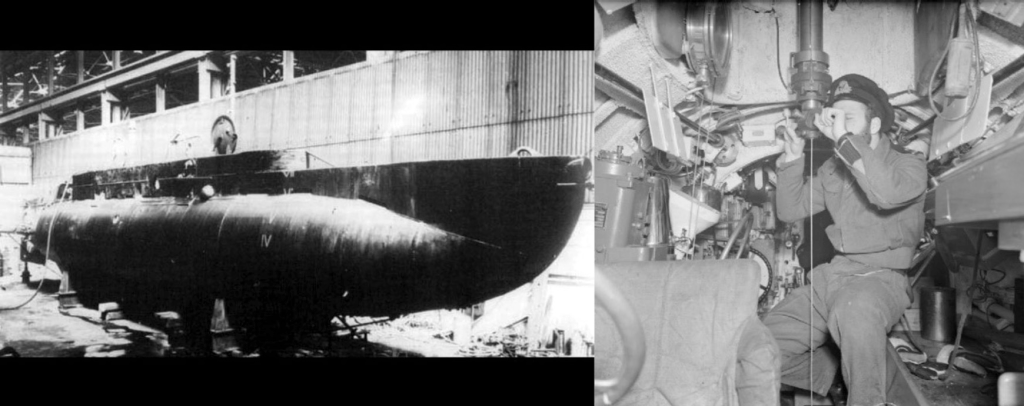
Preparations for D-day were extensive. Operation Neptune, the codename for cross-channel portion of the invasion, under Neptune was Operation Gambit, the use of two X -class British submarines that would mark the ends of the British and Canadian invasion beaches.
The submarine could carry a four-man crew and remain at sea for days. She could dive up to 300 feet. Due to her small size, the X-craft had only one access hatch and a small periscope that was mostly unreliable. Navigation was done through a Browns A Gyro Compass and Auto Helmsman. The X-craft could either be towed by a conventional submarine or launched from the deck of a submarine to reach its intended target. Two 3,570-lb mines were attached to its sides. A hand crank could release them when they were positioned below the hull of an enemy ship. The small crew consisted of one commanding officer, a first lieutenant, an engineer, and a diver.
Two X-class submarines would return to the beaches of Normandy leading up to the invasion to help aid in what would become the eventual downfall of the German troops. HMS X-23 and HMS X-20 would be the first vessels off the shores of Normandy leading up to the attack. Arriving on June 4, the X-crafts fixed their positions and waited for nightfall to surface to begin their mission. It wasn’t until they surfaced that they received the message that the operation had been postponed due to bad weather.
On 6 June at 0445 the submarines surfaced in rough seas. They set up the 18 feet high navigation beacons that each were carrying and switched them on. These shone a green light indicating their position away from the coast, visible up to 5 miles away although undetectable to anyone on land. They used the radio beacon and echo sounder to tap out a message for the minelayers approaching Sword and Juno beaches. The incoming fleet appeared on time and roared past them.
Operation Gambit was a success, the British and Canadian forces were able to land on their respective shores without falling off course or hitting any rocks, thanks to the beacons from the X-crafts.
While the X-20 and X-23, served only a minor role in the D-Day invasion, it shows the vital role a submarine can play in a nation’s arsenal.
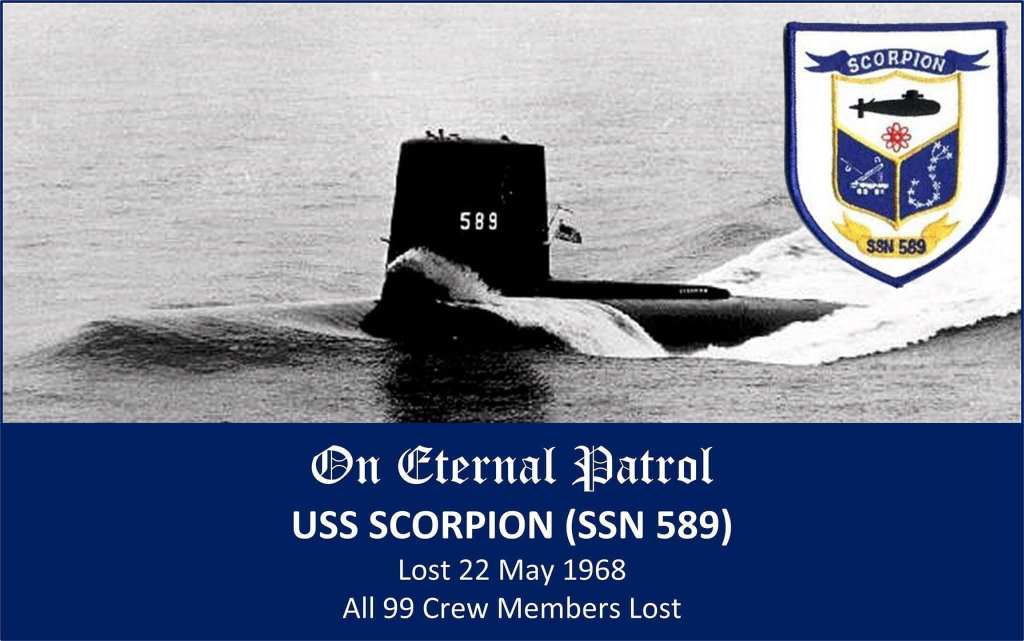
The USS Scorpion (SSN-589) was a Skipjack-class nuclear-powered submarine that sank in 1968. The circumstances surrounding its loss remain mysterious and have been the subject of various theories and investigations. The submarine was declared missing on May 27, 1968, after failing to return to its homeport in Norfolk, Virginia. The U.S. Navy had lost contact with the Scorpion on May 21, 1968, and by the night of May 22, 1968, there was significant concern about its status. The Navy waited until May 27 to officially declare the submarine missing, but by that time, the Sound Surveillance System (SOSUS) had already detected the breakup of the Scorpion’s hull as it sank beyond its crush depth.
The cause of the Scorpion’s loss has been the subject of much speculation, with theories ranging from a torpedo accident to a Soviet attack. The Navy’s official inquiry, completed in 1969, was unable to determine the specific cause of the loss. However, it listed accidents involving the Mark 37 torpedo as three of the most probable causes, including a hot-running torpedo, an accidentally or deliberately launched weapon, or the inadvertent activation of a torpedo by stray voltage.
The incident occurred during a period of heightened tension between the United States and the Soviet Union, and some theories suggest that the loss of the Scorpion could have been related to this geopolitical context. The USS Scorpion was part of the U.S. Navy’s fleet during the Cold War, and its loss was a significant event during this era.
The sinking of the USS Scorpion remains one of the most significant submarine losses in U.S. Navy history, with the loss of 99 crew members and two nuclear weapons. The incident has been a subject of ongoing interest and speculation, reflecting the challenges of operating submarines in the deep ocean and the risks associated with nuclear technology.
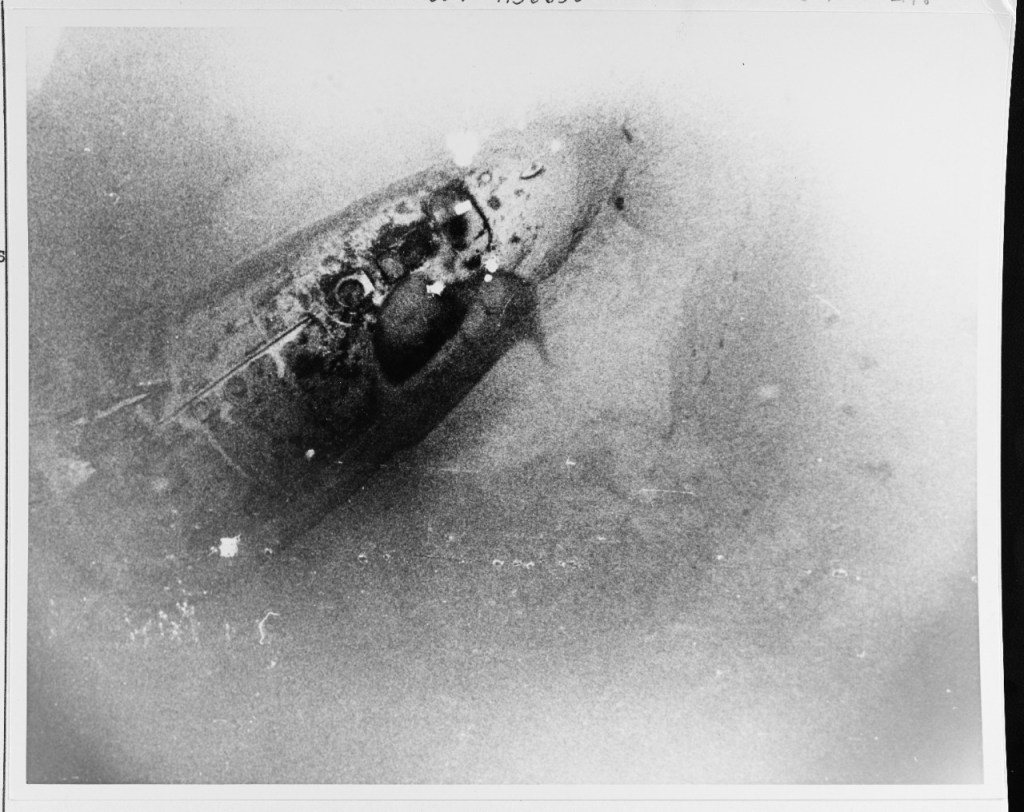
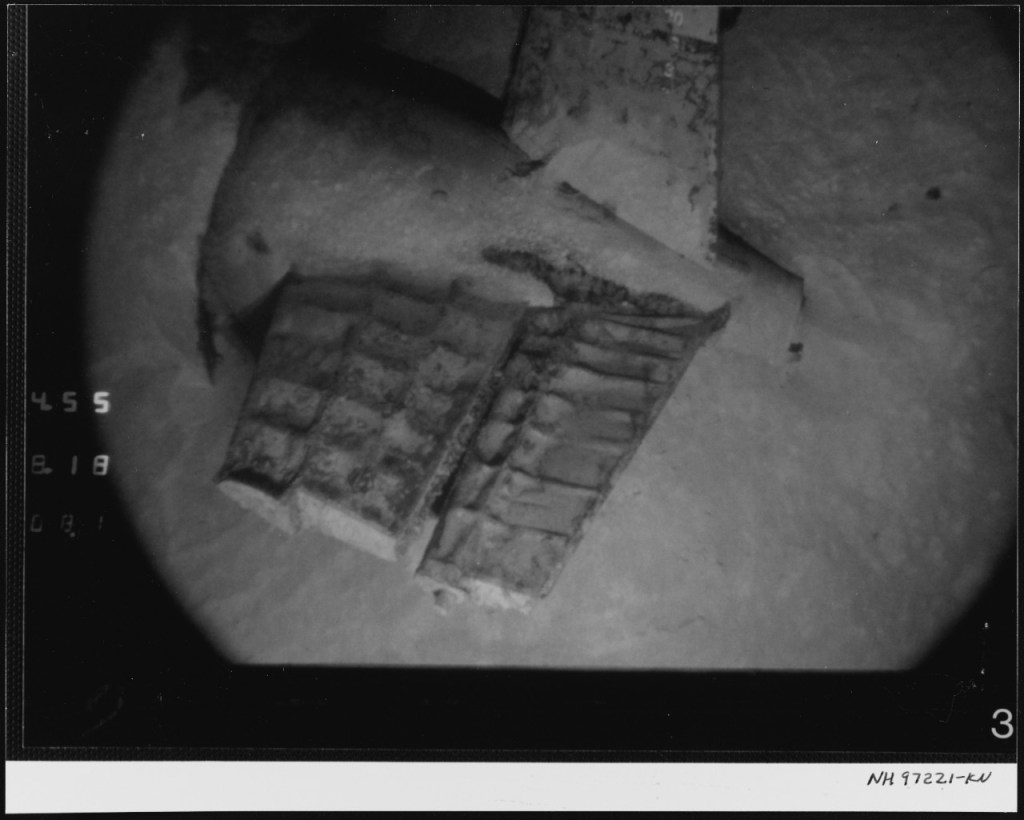
View of the sunken submarine’s bow section, on the Atlantic Ocean floor 10,000 feet deep, some 400 miles southwest of the Azores. Probably taken when Scorpion was located by USNS Mizar (T-AGOR-11) in October 1968. This image shows the top of the bow section, from the vicinity of the sail (which has been torn off)at left to the tip of the bowat top center. The torpedo room hatch is visible about half-way along the length of this hull section, with a lifeline track running aft from it.Wreck of USS Scorpion (SSN-589) Atlantic Ocean (August 1986)….Depth 10,000 feet, 400 miles southwest of the Azores; stern view of the nuclear-powered attack submarine USS Scorpion (SSN-589) showing the upper portion of the rudder (with draft markings) and the port stern plane. Note that the … after portion of the engine room section (has been) telescoped into the machinery room. The ribs of the stern planes can be seen due to the deformation of the metal covering them.Wreck of USS Scorpion (SSN-589) Atlantic Ocean (August 1986)….Depth 10,000 feet, 400 miles southwest of the Azores; A view of the detached sail of the nuclear-powered attack submarine USS Scorpion (SSN-589) laying on the ocean floor. The starboard fairwater plane is visible protruding from the sail. Masts are visible extending from the top of the sail (located at the lower portion of the photograph). A large segment of the after section of the sail, including the deck access hatch, is missing. Various articles from the operations compartment are scattered in this vicinity.
On April 18, 2025, the Ernie Pyle Legacy Foundation will host the Ernie Pyle 80th Anniversary Memorial in Honolulu at the National Memorial Cemetery of the Pacific. This ceremony is to commemorate the death of World War II Scripps-Howard feature columnist and war correspondent Ernie Pyle, who was killed in 1945.
This tradition was established in 1949, the year Ernie Pyle was interred at the Punchbowl National Cemetery in Honolulu. At the time, a eulogy was written and read by Buck Buchwach, the editor of the Honolulu Advertiser. This carried on every 5 years until the 1990s. In 2015, the Ernie Pyle LegacyFoundation renewed the ceremony, to continue every 5 years. In lieu of a 2020 event due to the pandemic, the VFW and American Legion held a belated ceremony in 2021.
Now in 2025, April 18th, known as Ernie Pyle Remembrance Day, is here. The ceremony to honorErnie will be held at 10am at the National Cemetery of the Pacific. The Memorial Address will be given by Suzanne Vares-Lum, the Director at Daniel K. Inouye Asia-Pacific Center for Security Studies.Other notable speakers include Jason Seal, the VFW Senior Vice Commander and CR Drumheller, theCommander of the American Legion Post 17.
Following the ceremony, the Ernie Pyle Legacy Foundation will be hosting a luncheon at 12pm at the Oahu Veterans Center. Members of the community and guests of the ceremony are invited to attend to continue the conversation about Ernie, and his positive impact on our world today.
In honor of Ernie Pyle Remembrance Day, we are also honoring all veterans, whom Ernie respected so dearly. We also want to recognize all journalists following in the footsteps of Ernie Pyle in their human interest storytelling, which is now more prevalent than ever.
The history of the U.S. Navy Chief Petty Officer (CPO) is a story of leadership, tradition, and evolution within the Navy’s structure. Below is an overview of its key milestones:
Establishment of the Rank
The rank of Chief Petty Officer was officially established on April 1, 1893, marking a pivotal moment in the Navy’s history. This date is celebrated annually as the “Navy Chief’s birthday.”
The creation of the rank addressed a leadership gap between officers and enlisted sailors, providing a senior enlisted rank to bridge this divide and enhance career advancement opportunities for enlisted personnel.
Initially, the rank included nine specialties, such as boatswain’s mate, gunner’s mate, and machinist. Over time, it expanded to encompass other roles like electrician and radioman.
Role and Responsibilities
CPOs were tasked with providing leadership, training junior sailors, and ensuring discipline and operational readiness aboard ships. They became known as the “backbone” of the Navy.
Chiefs are expected to be technical experts in their fields and uphold Navy traditions while mentoring both junior and senior personnel.
Evolution of the Rank
In 1958, two additional pay grades were introduced: Senior Chief Petty Officer (E-8) and Master Chief Petty Officer (E-9), further formalizing the enlisted leadership structure.
The first Master Chief Petty Officer of the Navy (MCPON), Delbert D. Black, was appointed in 1967, serving as a senior enlisted advisor to Navy leadership.
Historical Contributions
During World Wars I and II, CPOs played critical roles in training recruits, maintaining equipment, and leading combat operations. They were instrumental in submarine campaigns and major invasions like Normandy.
Roberta L. Hazard became the first female Chief Petty Officer in 1972, breaking barriers for women in the Navy.
Traditions and Legacy
CPOs are considered “caretakers” of Navy history and traditions. Over the decades, Chiefs have been entrusted with preserving Navy heritage and instilling the core values—Honor, Courage, and Commitment—in generations of Sailors, shaping today’s Navy.
The Career Compensation Act of 1949 standardized pay for all CPOs and eliminated distinctions between temporary (“acting”) and permanent appointments by 1965.
The rank of Chief Petty Officer remains a cornerstone of U.S. Navy leadership, symbolizing professionalism, expertise, and dedication to service.
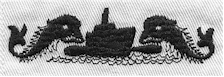
One of the earliest versions of the submarine warfare insignia, circa the 1920s.
The history of the U.S. Submarine Warfare Insignia, commonly known as “Dolphins,” dates back to 1923 when Captain Ernest J. King, then Commander of Submarine Division Three, proposed creating a distinctive badge for qualified submariners. He submitted a pen-and-ink sketch depicting a shield mounted on the beam ends of a submarine, flanked by dolphins forward and abaft the conning tower. The idea was strongly endorsed by the Commander of Submarine Division Atlantic and forwarded to the Bureau of Navigation (now Naval Personnel Command) for further development.
On March 20, 1924, the Chief of the Bureau of Navigation recommended adopting this design, which was approved by Theodore Roosevelt Jr., Acting Secretary of the Navy. Initially, the insignia was worn only while attached to submarine units or commands but later became a permanent badge for qualified submariners in 1941.
“Dolphins” symbolize the identity and prestige of submariners and are considered one of the Navy’s oldest and most challenging warfare badges to earn.
Qualification in submarines is a daunting task. However, once finished you become part of a fellowship that can only be understood by those who have done it themselves. That can only be truly recognized by the very small and special group of men that have the pride and honor of calling themselves SUBMARINERS.
Modern silver “dolphins” worn by enlisted members of the submarine force.
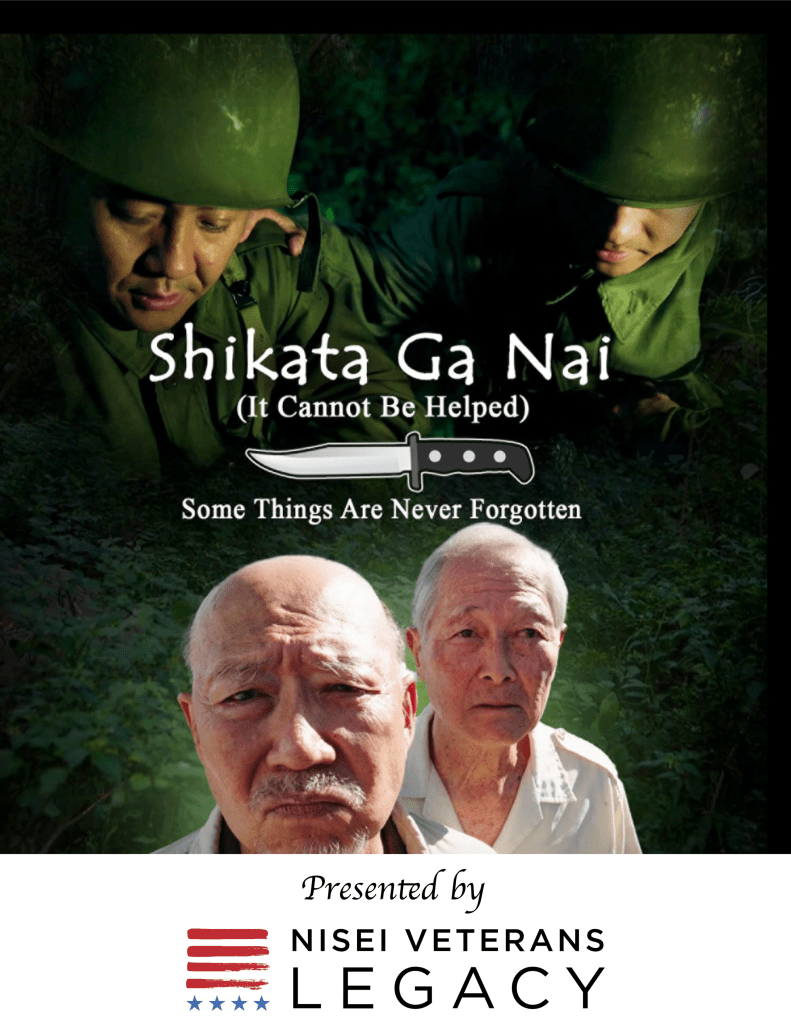
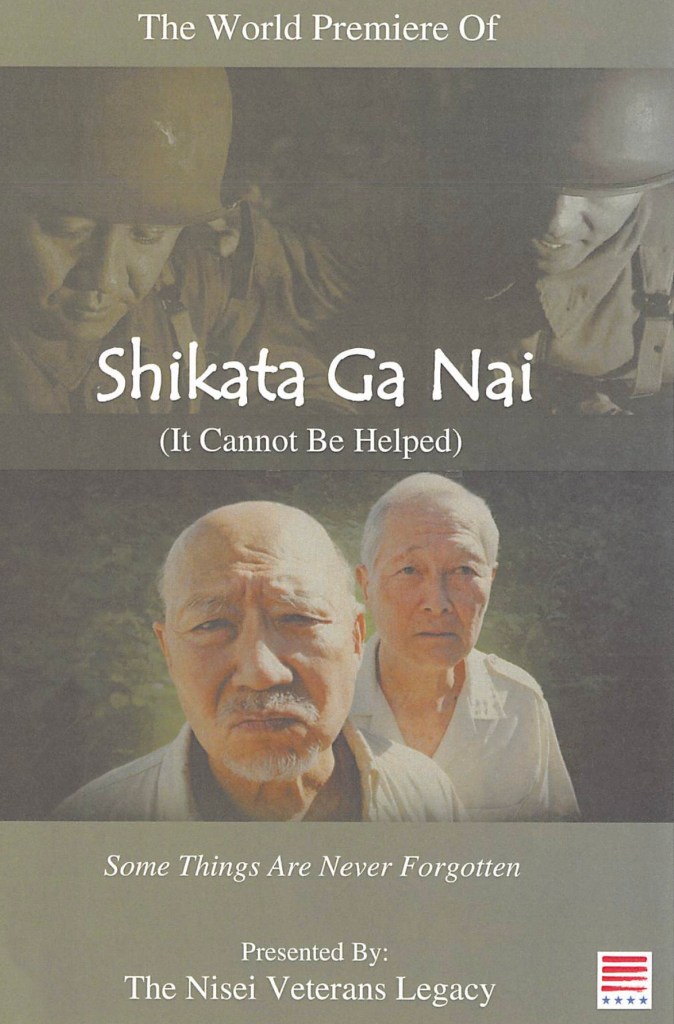
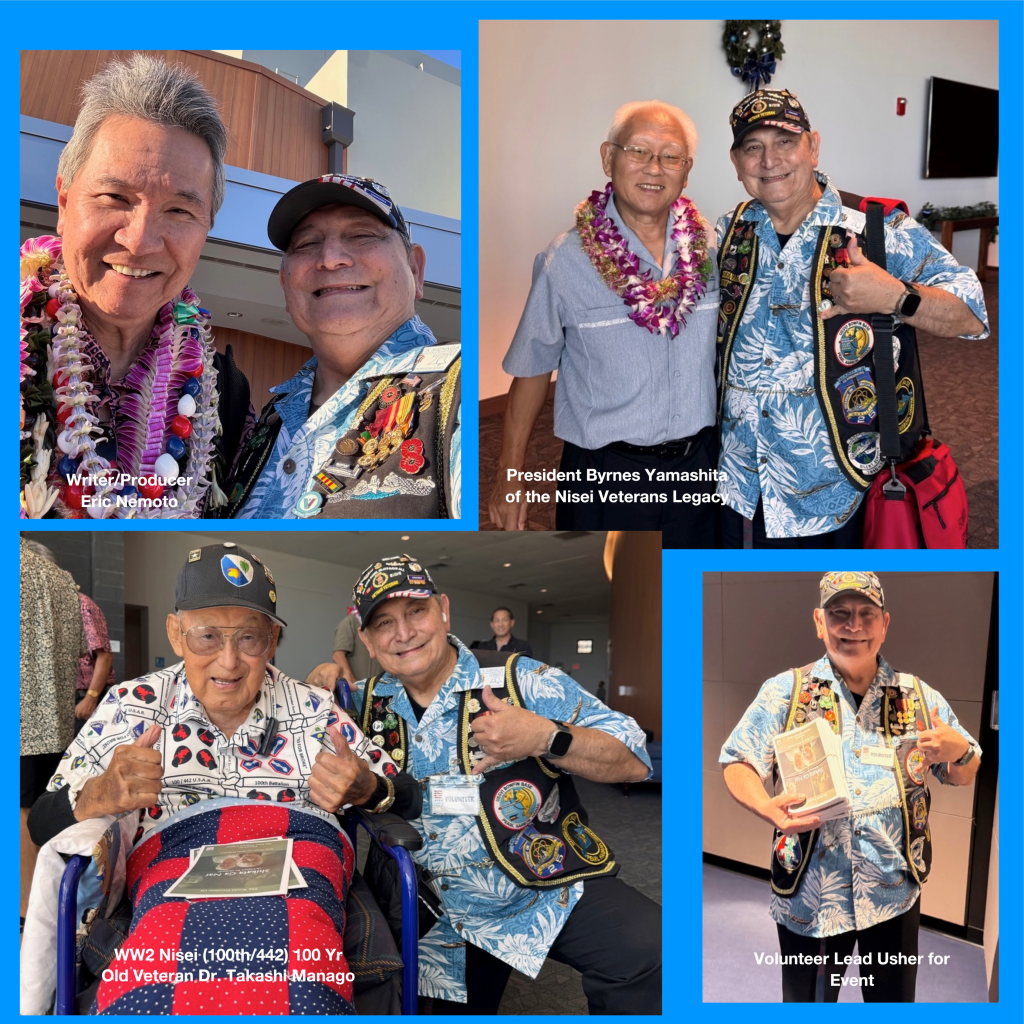
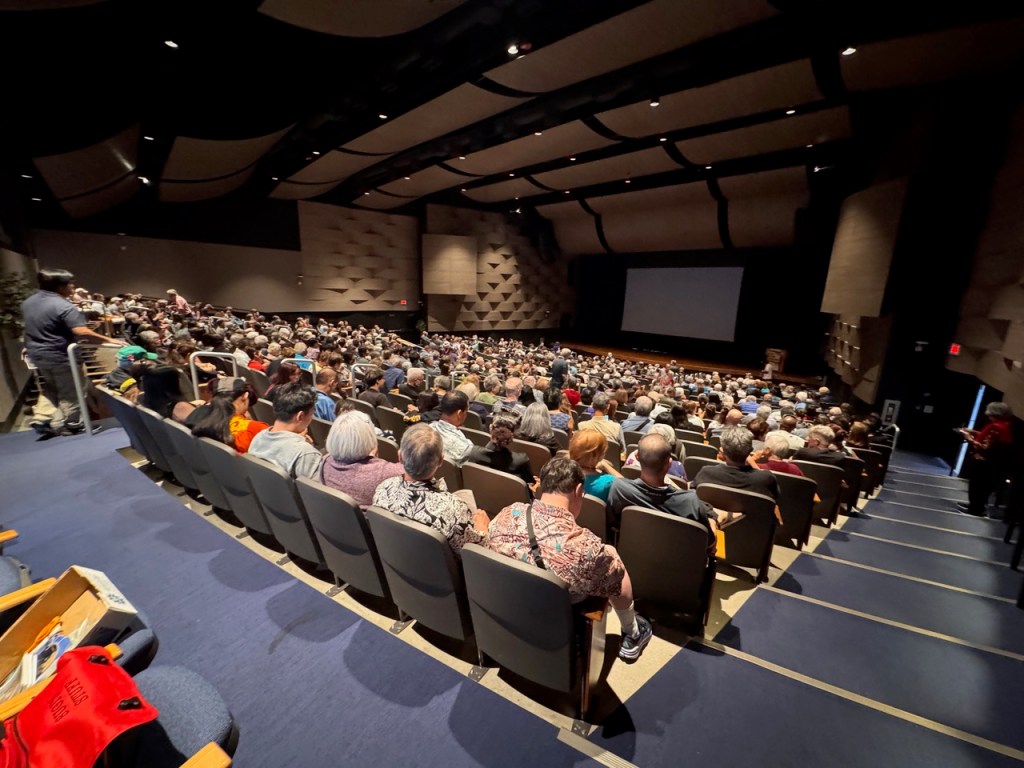
On December 29, 2024 the Hawai’i production of “Shikata Ga Nai (It Cannot Be Helped)” premiered at the Moanalua High School Performing Arts Center.
Movie production was started just before the beginning of the COVID pandemic in 2019 and thus took five years to produce. It was supposed to premier in 2022, but due to all the COVID restrictions caused delay until now.
Storyline: It is 1999, and Tatsuo “Tats” Kaneshiro is a veteran of WWII living out his autumn days in the quiet seclusion of his suburban home in Hawaii. A member of the famed 442 RCT, the all Nisei (second generation Japanese American) infantry regiment that became the most decorated war unit in American history, Tats spends his time tending to his garden, watching television, and occasionally entertaining company like an old army buddy he plays chess with. His single parent daughter, Lynn, who has moved back home after her divorce, and attention deficit grandson, Ryan, live with him. But the peace that seemingly hovers over his daily existence masks his internal struggle. For though the war has been over for 50 years, Tats relives it every day due to a haunting secret about his time in battle that he has kept to himself. Inspired by the true life tendencies of many 442 veterans who have never told their families of their war experiences, “Shikata Ga Nai” tells of the battles that these now declining heroes have faced on their own without no one else knowing. Watch trailer HERE.
Bowfin Submarine Veteran Pat Suenaga volunteered to help for this movie premiere and provided the pictures below.
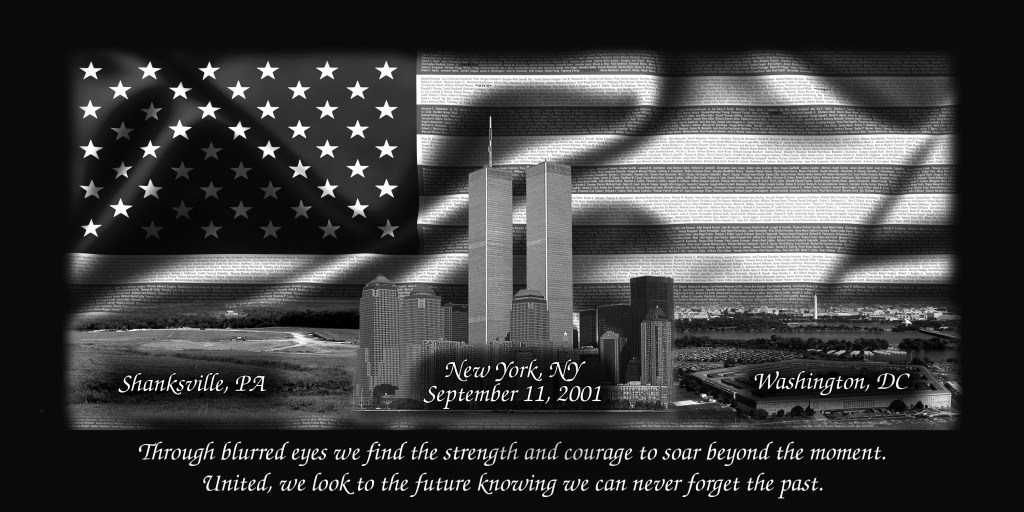
On September 11, 2001, nineteen al-Qaeda terrorists hijacked four passenger airliners so they could be flown into buildings in suicide attacks. Two of those planes, American Airlines Flight 11 and United Airlines Flight 175, were crashed into the North and South towers, respectively, of the World Trade Center complex in New York City. Within two hours, both towers collapsed with debris and the resulting fires causing partial or complete collapse of all other buildings in the WTC complex, as well as major damage to ten other large surrounding structures.
A third plane, American Airlines Flight 77, was crashed into the Pentagon (the headquarters of the United States Department of Defense), leading to a partial collapse in its western side.
The fourth plane, United Airlines Flight 93, was targeted at Washington, D.C., but crashed into a field near Shanksville, Pennsylvania after its brave passengers tried to overcome the hijackers.
In total, 2,977 people died in the attacks, including the 227 civilians on the four planes and 412 first responders in New York City.
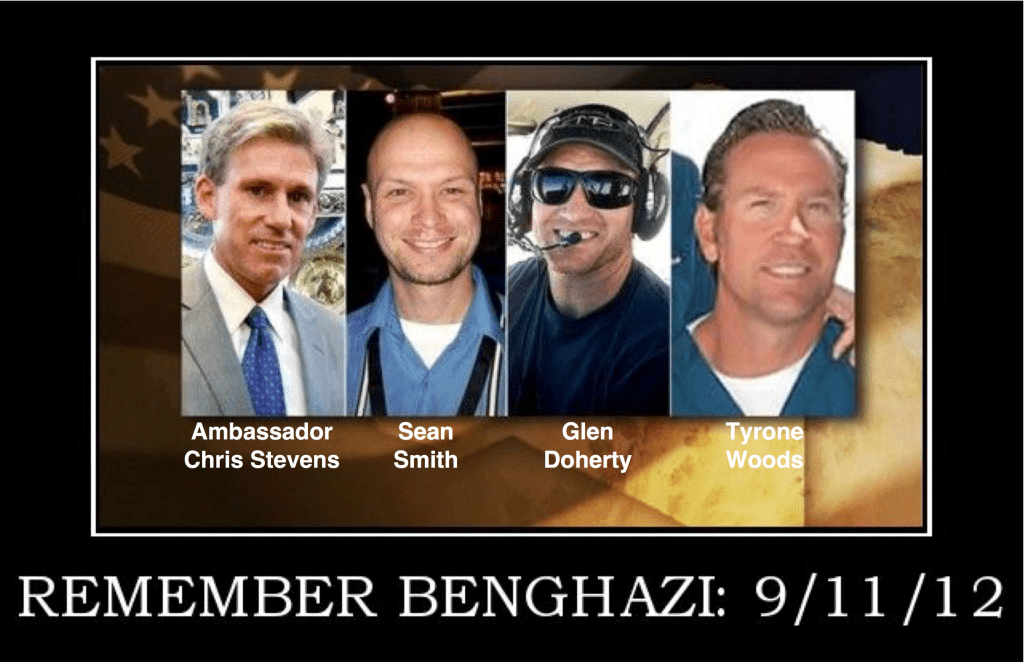
On September 11, 2012, a heavily armed group of militant terrorists attacked the American diplomatic mission at Benghazi, Libya. The attack began at night in a compound meant to protect the main diplomatic building. A second assault in the early morning the next day targeted a nearby CIA annex in a different compound. Four Americans were killed, U.S. Ambassador J. Christopher Stevens, Sean Smith, Tyrone Woods and Glen Doherty. Ten others were injured.
Although this attack took place in Libya, it happened on American soil. Our embassies and consulates are U.S. soil, and the attack in Libya violated a U.S. territory. These terrorist attacks are as heinous as if they happened in Honolulu.
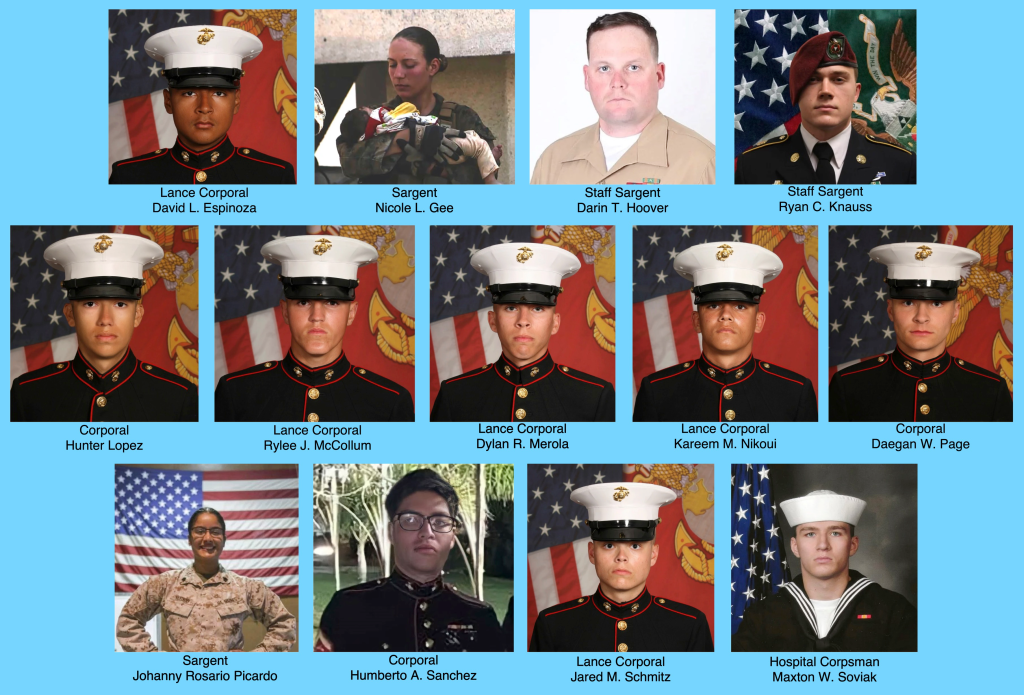
On August 26, 2021, 13 U.S. military members part of Operation Allies Refuge, the mission to evacuate American citizens and Afghans who assisted the U.S. and its allies during their 20-year war in Afghanistan. Were killed near the Abbey Gate of the Hamid Karzai International Airport in Kabul, Afghanistan by a suicide bomber. The bomb was a vehicle born improvised explosive device, or a car bomb. The attack marked one of the deadliest days for American forces in the past decade of the 20-year war in Afghanistan — and took place just days ahead of the U.S.’s planned full withdrawal.
Marine Corps Lance Cpl. David Lee Espinoza, 20 – He was originally from Laredo, Texas, and he left behind a brother, mother, and his stepfather.
Marine Corps Lance Cpl. Dylan Merola, 20 – He achieved the rank of Lance Corporal and was from Ranch Cucamonga, California. Merola was only in Kabul for two weeks before he was killed and students back home at his old high school even wore red, white and blue in his honor. He texted his mother that he would not be able to call and talk to her while on his evacuation assignment. “He wrote…’I love you and I’ll talk to you soon,’ ” said mother Cheryl Merola.
Marine Corps Lance Cpl. Jared Schmitz, 20 – Schmitz was from St. Louis, Missouri, and had achieved the rank of Lance Corporal. He was even honored in a Facebook post by State Representative Nick Schroer. The State Representative has also made several other posts since Schmitz’s death.
Marine Corps Lance Cpl. Kareem Nikoui, 20 – He was originally stationed nearby at Camp Pendleton in California and he even sent his father a video of him talking with Afghan children and giving them candy at the airport. The video was sent the day before he was killed.
Marine Corps Lance Cpl. Rylee McCollum, 20 – McCollum was from Bondurant, Wyoming, and was on his first deployment. He had only just graduated from high school in 2019 and was recently married and only 3 weeks away from becoming a father. There is a Go Fund Me page set up to help raise money for his child’s education and it has raised well over it’s goal of $5,000, which is very impressive and will be worth the while for his family.
Marine Corps Cpl. Hunter Lopez, 22 – He was from California and wanted to be like his parents after his deployment. He planned on becoming a sheriff’s deputy once he returned home, to follow in his parents’ footsteps. The family would like all donations made to the Riverside County Deputy Sheriff Relief Foundationin honor of Lopez.
Marine Corps Cpl. Humberto Sanchez, 22 – He was a Corporal from Logansport, Indiana. Sanchez was only out of high school for 4 years when he was killed and had the Indiana State Representative Jim Baird posted and identified him, Indiana Senator posted on Twitter, and the Logansport Mayor post on Facebook indirectly about Sanchez.
Navy Hospital Corpsman Maxton Soviak, 22 – Soviak was a Navy Medic working with the marines in Afghanistan, since the Marines do not have their own medical field. He is from Berlin Heights, Ohio, and there is a Go Fund Me page started by a family friend as a memorial fund for Soviak.
Marine Corps Sgt. Nicole Gee, 23 – She was a Sergeant who originates from Roseville, California, and was a maintenance technician with 24th Marine Expeditionary Unit. Gee posted an Instagram pic the week before she was killed talking about how much she loves her job and Sgt. Mallory Harrison, who was her roommate and friend from Camp Lejeune posted a painfully heartbreaking post about Gee on Facebook. While Gee was deployed, Harrison was asked to look after her car and couldn’t let the image of the car go when she stated, “Her car is still there & she’s gone forever.”
U.S. Army Staff Sgt. Ryan Knauss, 23 – Knauss was from Knoxville, Tennessee, and has been the first Army soldier to be identified from the attack. He had just completed Psychology Operation Training and hoped to move to Washington, DC, when he came back from his deployment. He left behind his Stepmother, Grandfather, and his wife, who he loved to help with her garden.
Marine Corps Cpl. Daegan Page, 23 – He was from Omaha, Nebraska, and was the 2nd Regiment of 1st Marine Regiment (aka “The Professionals”) at Camp Pendleton in Southern California. Page planned to go to trade school after his deployment. He left behind his parents, step-parents, grandparents, four siblings, and his girlfriend.
Marine Corps Sgt. Johanny Rosario Pichardo, 25 – She was a Sergeant who was from Lawrence, Massachusetts, and was a member of the U.S. Marine Corps Female Engagement Team. Rosario Pichardo was also part of the Naval Amphibious Force, Task Force 51/5th Marine Expeditionary Brigade and was on the ground aiding in the evacuation that took place. At this time, her family wants privacy and want their loved one to be honored as the hero she was.
Marine Corps Staff Sgt. Darin Taylor Hoover Jr., 31 – Hoover was from Midvale, Utah, and was a Staff Sergeant in the Marine Corps. He played football in high school and loved what he did in the marines and spent most of his life fighting for the country. The Utah Governor ordered that flags at all state facilities and public grounds be at half-staff through sunset on Monday, August 30, 2021, in honor of Taylor’s memory along with all the other soldiers that have been killed.
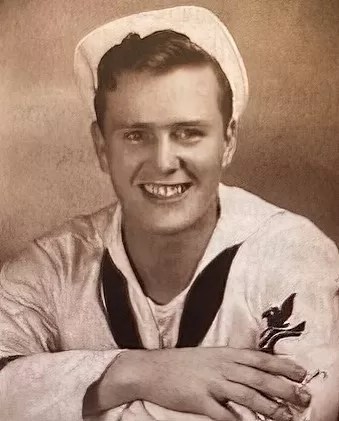
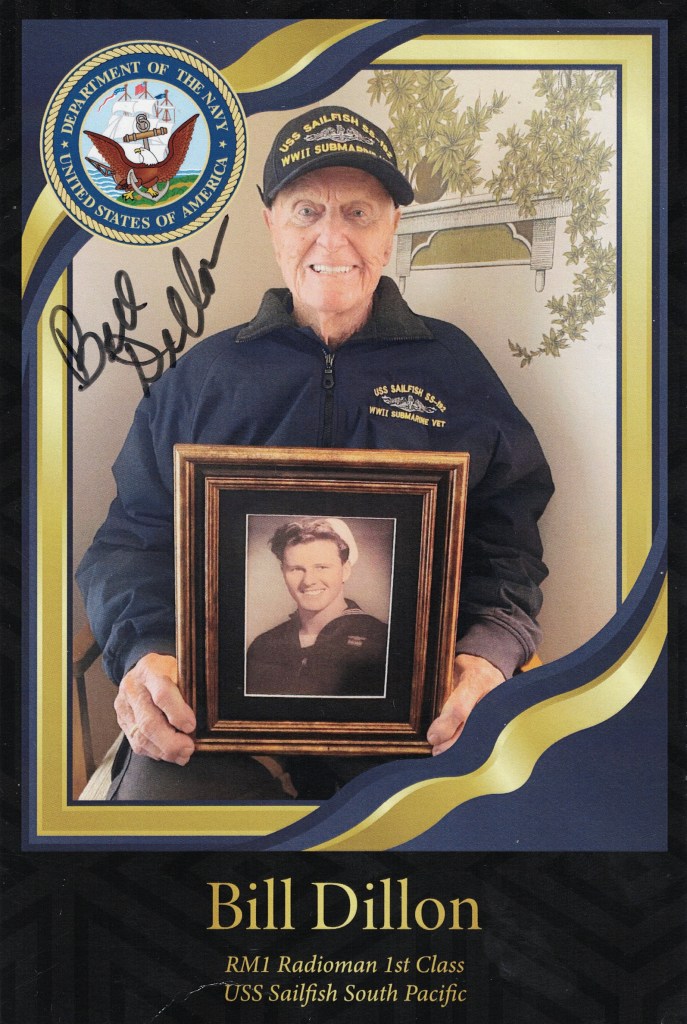
Bill Dillon was a submariner on the USS Sailfish, a radioman first class, and collaborated with the author Stephen L. Moore to tell the harrowing story of how the Sailfish sunk a Japanese Carrier.
Bill Dillion was just 17 when he signed up for military service. He received two Bronze Stars, one with valor, but it’s what he did after the war that he says is most important to him. “During the war I was killing people,” he recounts. “After the war I began helping them.”
Today, he is the sole survivor of the 200 men he served with on the Sailfish, and the last American survivor of the battle of Formosa. Bill served in the Navy from May 1942 to November 1947.
After an undefeated football season, Bill quit high school in his junior year to join the Navy. He was sent to submarine school in New London, CT and then assigned to the submarine the USS Sailfish (SS 192). This submarine was formerly the USS Sgualus which had sunk off the coast of New Hampshire during a test dive in 1939. While 26 crew members were lost, there were 33 rescued and the ship was later salvaged and renamed the USS Sailfish.
Bill served on the USS Sailfish from January 1943 until it was decommissioned in 1945. They had 5 Major War Patrols. The Sailfish sunk several Japanese commercial and military vessels, including an aircraft carrier and 2 destroyers. And rescued 12 pilots and crew that had been shot down or run out of fuel during the Battle of Formosa. They took the rescued airmen to Saipan and returned to their combat war patrol.
Bill remained in the service and got married January 5, 1946 to, Janet, his high school sweetheart. Bill received his GED and applied for college the same date and graduated in June 1951 from the University of Florida.
The U.S. space industry was just beginning, and I became a member of the launch team that placed the first U.S. satellite into orbit. He worked on several different programs including 13 down-range tracking sites; developing the first electronic checkout of launch vehicles; the initial working on the GPS system for Assistant Defense Secretary David Packard; served as Solid Rocket Booster Manager for the Air Force Titan 3 Program; and become the Systems Design Manager for the highly secret system of satellite-tracking all vehicles in space. Receiving a major citation.
Bill and his late wife, Janet, were married for 72 years and had 7 children. There are now 12 grandchildren and 12 great- grandchildren and the family is still growing.







 Bowfin Pearl Harbor Base