57th Anniversary USS Scorpion (SSN 589)

Bowfin News | May 2025

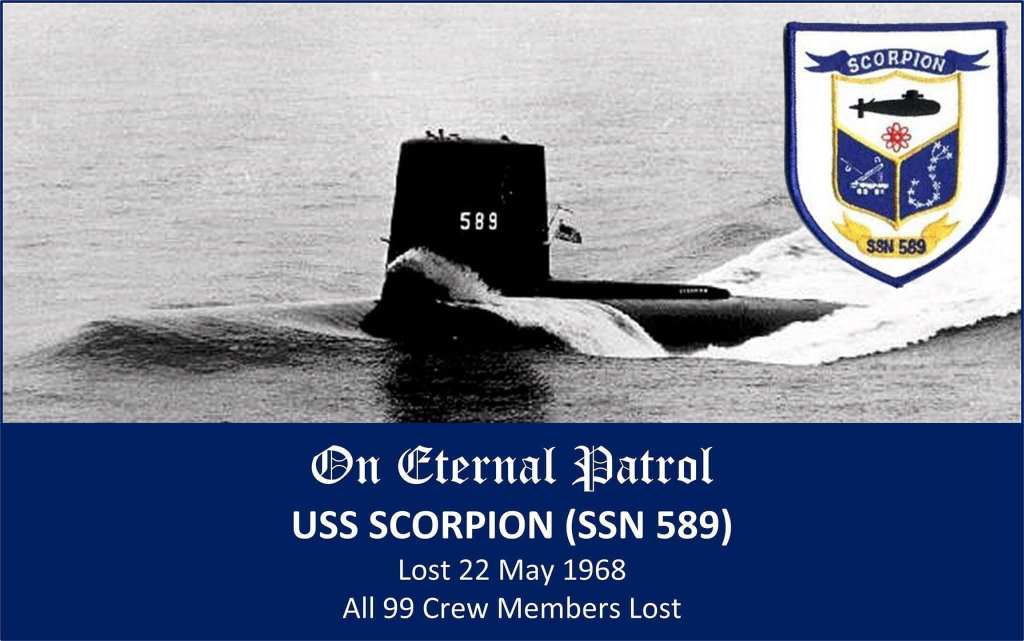
The USS Scorpion (SSN-589) was a Skipjack-class nuclear-powered submarine that sank in 1968. The circumstances surrounding its loss remain mysterious and have been the subject of various theories and investigations. The submarine was declared missing on May 27, 1968, after failing to return to its homeport in Norfolk, Virginia. The U.S. Navy had lost contact with the Scorpion on May 21, 1968, and by the night of May 22, 1968, there was significant concern about its status. The Navy waited until May 27 to officially declare the submarine missing, but by that time, the Sound Surveillance System (SOSUS) had already detected the breakup of the Scorpion’s hull as it sank beyond its crush depth.

The cause of the Scorpion’s loss has been the subject of much speculation, with theories ranging from a torpedo accident to a Soviet attack. The Navy’s official inquiry, completed in 1969, was unable to determine the specific cause of the loss. However, it listed accidents involving the Mark 37 torpedo as three of the most probable causes, including a hot-running torpedo, an accidentally or deliberately launched weapon, or the inadvertent activation of a torpedo by stray voltage.

The incident occurred during a period of heightened tension between the United States and the Soviet Union, and some theories suggest that the loss of the Scorpion could have been related to this geopolitical context. The USS Scorpion was part of the U.S. Navy’s fleet during the Cold War, and its loss was a significant event during this era.

The sinking of the USS Scorpion remains one of the most significant submarine losses in U.S. Navy history, with the loss of 99 crew members and two nuclear weapons. The incident has been a subject of ongoing interest and speculation, reflecting the challenges of operating submarines in the deep ocean and the risks associated with nuclear technology.

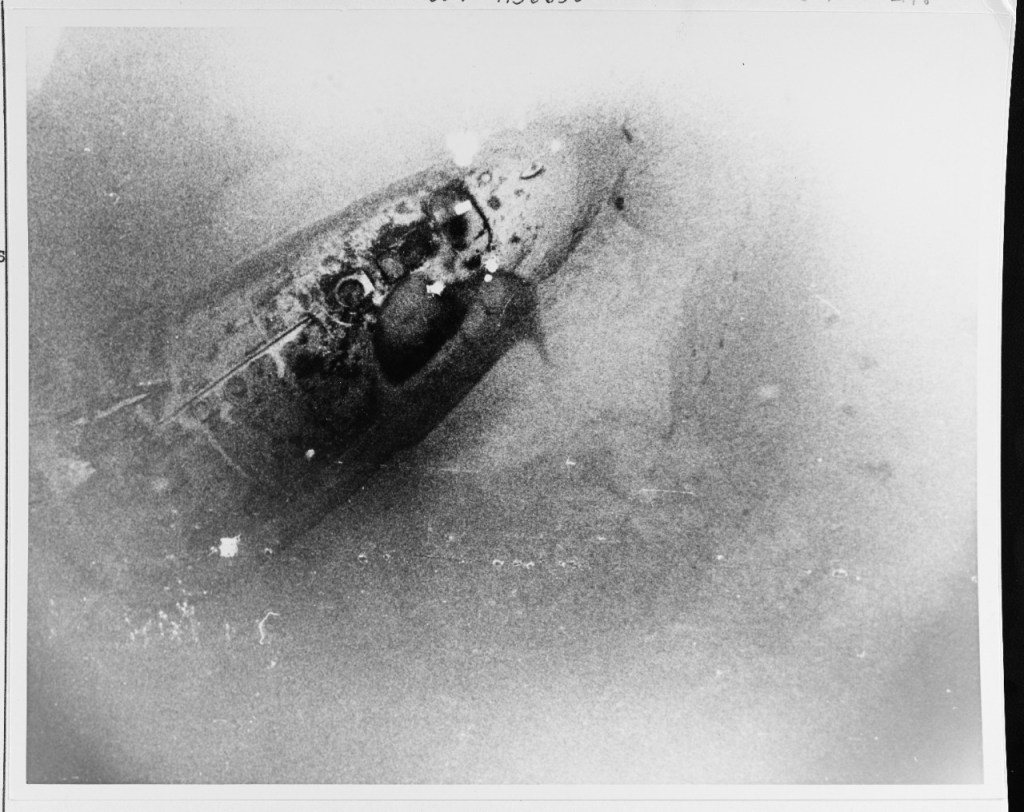
View of the sunken submarine’s bow section, on the Atlantic Ocean floor 10,000 feet deep, some 400 miles southwest of the Azores. Probably taken when Scorpion was located by USNS Mizar (T-AGOR-11) in October 1968. This image shows the top of the bow section, from the vicinity of the sail (which has been torn off)at left to the tip of the bowat top center. The torpedo room hatch is visible about half-way along the length of this hull section, with a lifeline track running aft from it.
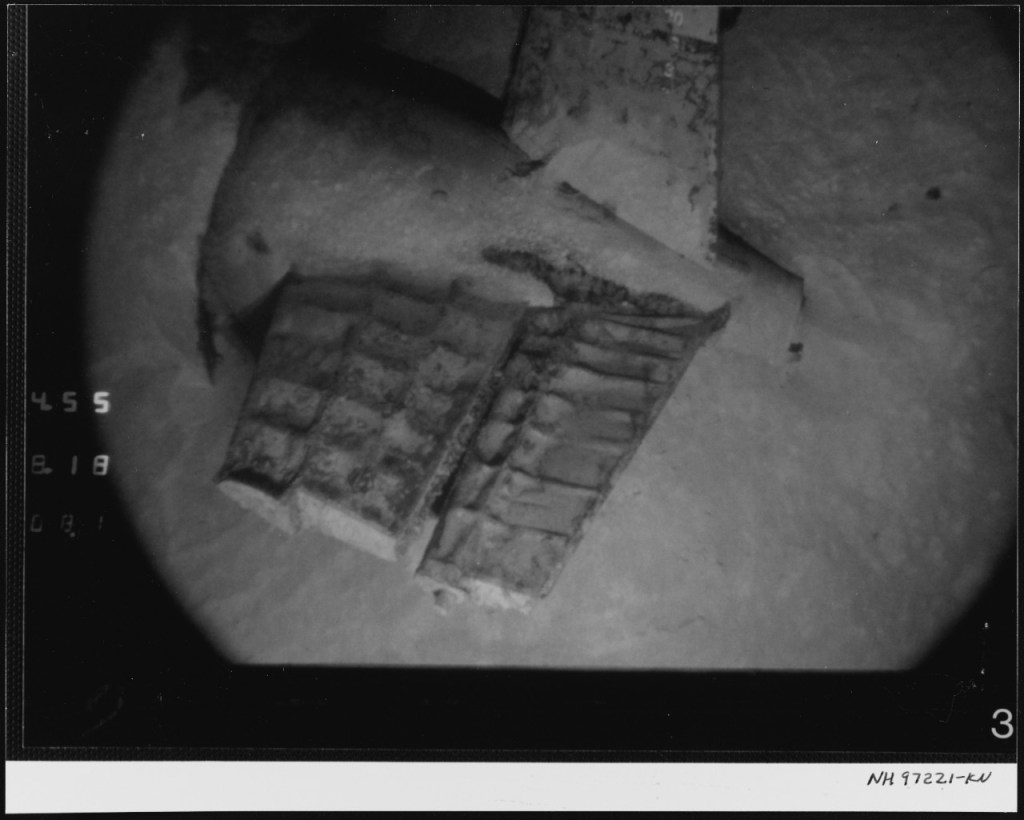
Wreck of USS Scorpion (SSN-589) Atlantic Ocean (August 1986)….Depth 10,000 feet, 400 miles southwest of the Azores; stern view of the nuclear-powered attack submarine USS Scorpion (SSN-589) showing the upper portion of the rudder (with draft markings) and the port stern plane. Note that the … after portion of the engine room section (has been) telescoped into the machinery room. The ribs of the stern planes can be seen due to the deformation of the metal covering them.
Wreck of USS Scorpion (SSN-589) Atlantic Ocean (August 1986)….Depth 10,000 feet, 400 miles southwest of the Azores; A view of the detached sail of the nuclear-powered attack submarine USS Scorpion (SSN-589) laying on the ocean floor. The starboard fairwater plane is visible protruding from the sail. Masts are visible extending from the top of the sail (located at the lower portion of the photograph). A large segment of the after section of the sail, including the deck access hatch, is missing. Various articles from the operations compartment are scattered in this vicinity.

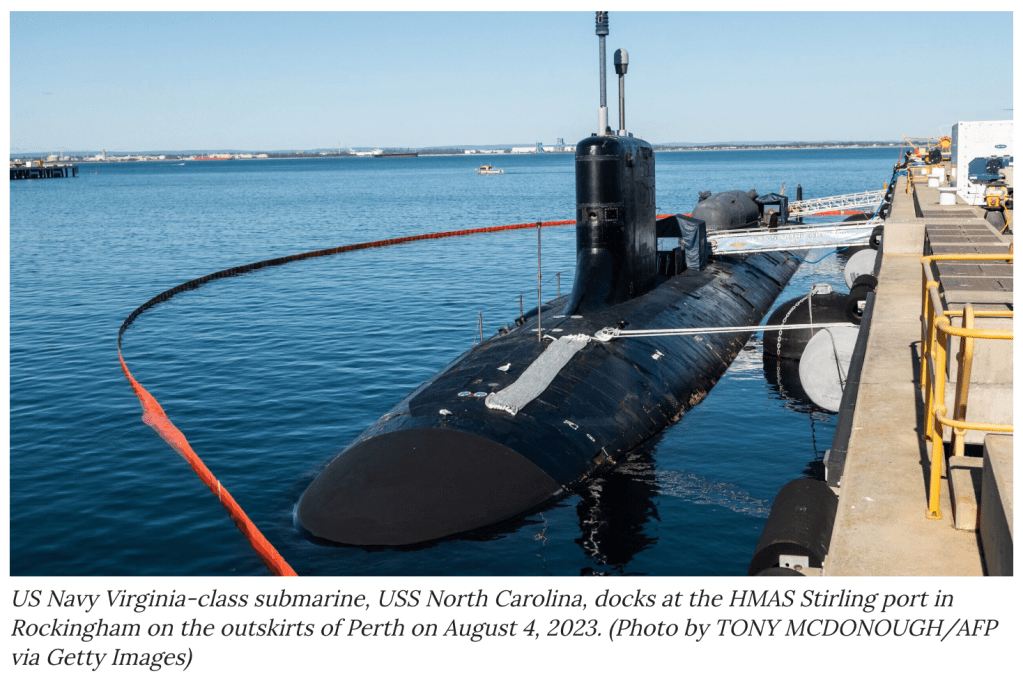
Integration on Virginia-class subs the ‘greatest risk’ for nuclear sea-launched cruise missile: Navy official

Breaking Defense | May 21, 2025

The “greatest risk” for the Navy’s planned fiscal 2034 delivery of the nuclear Sea-Launched Cruise Missile Nuclear (SLCM-N) is integrating it onboard Virginia-class submarines that were never designed to carry a nuclear weapon, one of the Navy’s top officers in charge of overseeing nuclear weapons programs said.

After establishing a program office for the SLCM-N  last year, the Navy is just starting to “hone in” on technical concepts for integrating the at times controversial weapon with the Virginia-class, as well as ironing out the operational questions involved with adding a new mission for the sailors onboard, said Vice. Adm Johnny Wolfe, director of the Navy’s Strategic Systems Programs.

“This will be a whole new infrastructure that we have to stand up and so getting all of those things in place, getting the weapon system done, but as importantly, getting the fleet trained … that’s going to be the one of the challenging parts of this,” said Vice. Adm Johnny Wolfe, director of the Navy’s Strategic Systems Programs.

U.S. NAVY BRANDY

By Nelson Greer former EN1(SS)

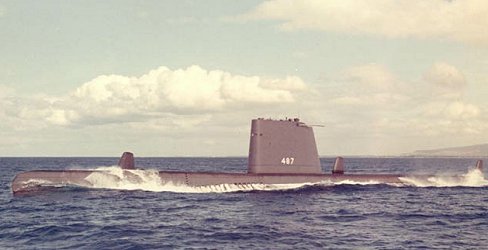
Maybe we were doing an anti-submarine warfare exercise with some ancient black-smoke-belching destroyer on that day in 1963. Or perhaps we were performing precision periscope practice by peering at a panoply of people surfing and sunning on the South Shore of Oahu at Sandy Beach. The men standing watch in the Forward Engine Room of the USS Remora (SS 487) had no periscope to peep through nor sonar to keep an ear on things. No rumbling diesel engines disturbed their peace as the boat was running submerged on the batteries.

It was an easy engine room watch with plenty of time to catch up on swapping sea stories. The only things in operation were a couple of ventilation fans. A wary eye was always kept on the bilges, as an unexplained rise indicates a problem. And this bilge level was rising. An inspection revealed that water was streaming out of our snorkel exhaust drain line, which originated outside the pressure hull. The engine exhaust valves were closed and this section of piping should have been dry. A report was duly made to the powers that be.

The captain surfaced the boat so that the source of the leak could be identified. His fear was that if the snorkel exhaust piping itself was leaking, we would have to abort our beach bunny spy mission and return to Pearl Harbor for repairs. We cobbled together a test rig to put pressure into the drain piping, and all 12 of our Enginemen lay topside to listen for the tell-tale hiss of compressed air escaping.

Fortunately, it was the two-inch-diameter exhaust drain line that proved to be the culprit. Even more fortunately, it was a gasket sandwiched between two pipe flanges that was the source of our problem. This could easily be repaired by us on the spot.

Unfortunately, this pipe joint was located below a maze of other piping in the superstructure underneath our topside deck. The only way to get to it would be to prop open a section of the deck for access, crawl in and belly along the top of the pressure hull to the leaking connection. I was an 18-year-old know-it-all non-qual fireman apprentice Engineman striker, and most importantly, skinny. Our crusty old WWII-era Chief Engineman volunteered me for the task.

This would have been a duck soup job to do in port, and I would have thoroughly enjoyed slithering around like a sea snake. But the Remora was lying dead in the water, rolling in the troughs with a steady southern swell washing through our superstructure every eleven seconds. We were standing topside out of reach of the waves, peering down through the slats of the deck observing the motion of the ocean. We could clearly see our target pipe joint for four seconds. Then it would disappear underwater for seven seconds (and yes, somebody timed it). Just like clockwork. Rising air bubbles removed all doubt that this was the location of our problem. These were not optimal work conditions.

A shipmate handed me two 3/4-inch wrenches and a new gasket and then growled in my ear that a naval operation with 6 submarines, 14 destroyers, 3 aircraft carriers, and a battleship was waiting for me to get my non-qual ass down there and fix that frigging leak. I sloshed and wriggled to my destination and found that I fit very snugly on my belly tightly jammed between the bottom of the snorkel exhaust pipe and the top of the pressure hull. This was a good thing because Mr. Pacific Ocean was trying to wash me away every eleven seconds!

I had been instructed to conserve oxygen by only working when I could breathe, so I would work for four seconds and then hold my breath for seven seconds while I was submerged. That first seven-second span felt like an eternity. I soon became attuned to the rhythm of the sea swallowing and releasing me. It only took the longest half hour of my young life to remove the four nuts and bolts, swap gaskets, and reassemble the joint. I was mighty relieved to be able to slide out backwards and emerge on deck where I could breathe any time I damned well felt like it.

My pack of Pall Malls was on the soggy side of soaked, so the Chief gave me a cigarette and told me to lie below to get some coffee and dry off while they retested the piping and secured the open section of deck. I dropped down the After Battery hatch to the Crew’s Mess and found our Corpsman waiting to check on my condition. I felt indestructible, but had heard through the non-qual grapevine that you could be given medicinal brandy under certain conditions. The only thing I knew about brandy was that it contained alcohol, which my underage self had a hankering for. I saw my opportunity to game the system and asked the Corpsman for brandy. Doc said he needed permission to prescribe that particular potion and quickly ducked through the door into the Control Room. I’m sure he was suppressing a laugh and couldn’t wait to tell our shipmates that this wise-ass, sopping-wet kid the crew had nicknamed ‘Maynard’ was asking for brandy.

Well, he must have asked the Chief of the Boat, the Engineering Officer, Executive Officer, Commanding Officer, DivCom, SubPac, CincPac, CNO, the Pope, possibly President Kennedy, and maybe even the mess cook before he finally returned with a ceramic coffee cup containing an amber liquid he claimed was brandy.

By then I had some hot coffee inside me and my dungarees were halfway dry. I took a sip. This was my first taste of brandy, but even I could tell that the lowest bidder had won the contract to supply the Navy with its stock of this exotic elixir. It was awful. I opted to swallow the foul-tasting liquor rather than swallow my pride.

All was well. The pipe joint passed the pressure test, and we were able to resume our periscope training on whatever tantalizing targets presented themselves. During my ten years in the Navy, I occasionally got wet in weather so cold that I saw icicles hanging from my shipmates’ beards and mustaches, and knew I looked the same. But I never, ever, dared ask for U.S. Navy Brandy again.

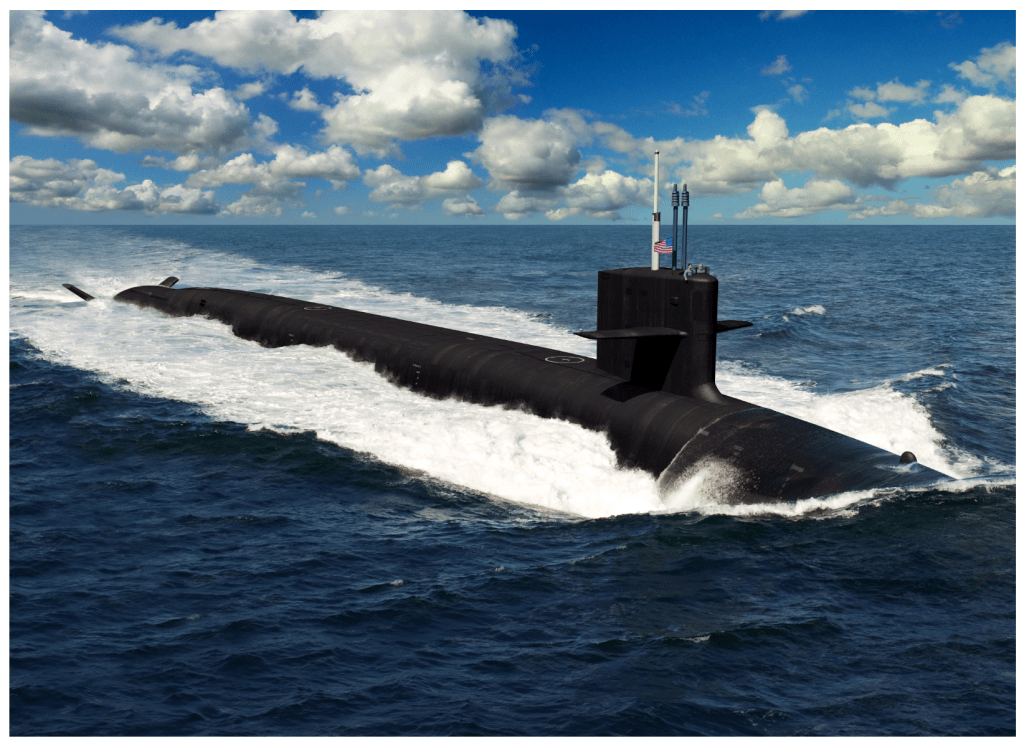
Silent Service, Proud Heritage: The Submariner’s Perspective on Armed Forces Day

Celebrating Armed Forces Day from a submariner’s perspective is a meaningful recognition of the unique and often unseen contributions of the submarine force within the U.S. Armed Forces. Armed Forces Day, observed annually on the third Saturday in May, honors all active duty, Guard, and Reserve members of the Army, Navy, Marine Corps, Air Force, Space Force, and Coast Guard who defend the nation’s freedoms at home and abroad.

From a submariner’s viewpoint, this day is a time to reflect on the silent, yet critical, role submarines play in national defense. Submariners operate in challenging, confined environments beneath the ocean surface, maintaining vigilance during long patrols that often involve routine maintenance, watchstanding, and continuous readiness for any mission. Life aboard a submarine is marked by a balance of intense operational focus and the need for camaraderie and morale-boosting activities during downtime.

Celebrations aboard submarines may include unique traditions such as the “Steel Beach Picnic,” where crew members enjoy a barbecue on the submarine’s deck when surfaced, weather and mission permitting. This event offers submariners a rare chance to relax in the sun, enjoy fresh air, and bond as a crew, often accompanied by a “beer day” after extended deployments and sometimes a swim call in open ocean waters. These moments highlight the tight-knit community and resilience of submariners who spend months away from home under demanding conditions.

Armed Forces Day also serves as a reminder of the rich history and heritage of the submarine service. The U.S. Navy’s first modern commissioned submarine, the USS Holland (SS-1), was acquired on April 11, 1900, marking the beginning of a proud tradition of underwater naval operations that continue to evolve today. Submariners honor this legacy by upholding the highest standards of professionalism, technical expertise, and dedication to mission success.

In essence, celebrating Armed Forces Day as a submariner means honoring the silent service’s vital role in safeguarding the nation, recognizing the sacrifices and commitment of fellow submariners, and sharing pride in a unique naval community that operates beneath the waves to protect freedom. It is a day to acknowledge the courage, skill, and perseverance required to serve in the submarine force and to express gratitude for the men and women who stand watch in the depths of the oceans.

Armed Forces Day 2025 – President Donald J. Trump

Tradewinds May 2025

Volume 70

To perpetuate the memory of our shipmates who gave their lives while voluntarily serving in submarine warfare in the pursuit of their duties while serving their country. That their dedication, deeds and supreme sacrifice be a constant source of motivation toward greater accomplishments. To further promote and keep alive the spirit and unity that existed among submarine crewmen during World War II. To promote sociability general welfare and good fellowship among our members. To pledge loyalty and patriotism to the United States of America and it’s constitution.

1. Bowfin Pearl Harbor Base

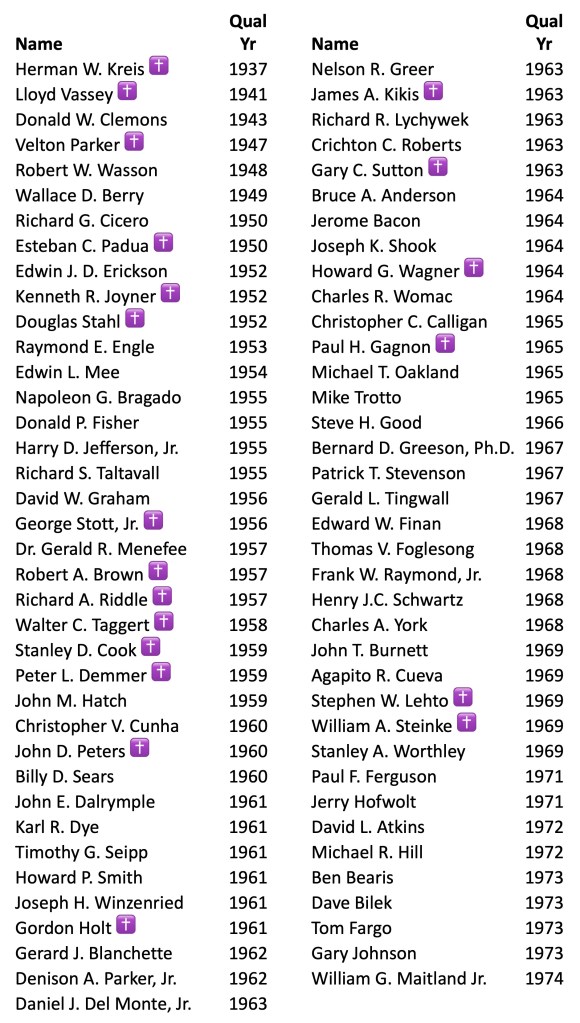
Bowfin Meeting – We conducted our May meeting at Clean Sweep Bar, Lockwood Hall. The following members attended – Dave Atkins, Jim Balemore, David Bilek, Rodney Boucher, Allen Clemons, Dan Del Monte, Karl Dye, Nelson Greer, Gary Johnson, Paul Jurcsak, Brett Kulbis, Ben McGowan, Ace Parker, Crichton Roberts, Thom Sousa, Tim Sparks, Pat Suenaga, Wade Thode, Ken Voorhees, and Joe Winzenried.

Welcomed Guests – Miye Bilek, Sandra Parker, Edie Clemons, Judy McGowan, Captain Kurtis Krug, Tom Schmidt, Wes and Wil Thode.

Binnacle List – Please keep the all our members and their families in your good thoughts and prayers.

Hauʻoli Lā Hānau! Bowfin Birthdays for the month of May.

Patrol Reports

Chuck Merkel reflects on nine years at the Pacific Fleet Submarine Museum

Pacific Fleet Submarine Museum Monthly
E-Newsletter – April 2025

The Periscope May 2025

Bowfin Holland Club Members

Base Officers & Staff

Commander
Paul T. Jurcsak

Vice Commander
Tim Sparks

Secretary
Brett Kulbis

Treasurer
Carl L. Tatro

Chief of the Boat
Gary G. Johnson

Storekeeper
George F. Barlett

Base Committees

USSVI Committee
Brett Kulbis

Aloha Committee
Paul T. Jurcsak

Boy Scout Troop 97
George F. Barlett

Boat Sponsorship Program
Carl L. Tatro

Binnacle List
Dan Del Monte

This Month in Base History

1988 – Actor Tony Curtis affiliated with USSVI of WWII Hawaii Chapter. Tony served in WWII onboard USS Proteus (AS-19).

1985 – USS Growler officially becomes the Hawaii State Boat.

1980 – USSVI of WWII Hawaii Chapter and USSVI of WWII Relief Crew ONE begin having combined monthly meetings.

1964 – United States Submarine Veterans of WWII constituted as a legal non-profit with a license to operate and conduct business in all 50 States.

1959 – United States Submarine Veterans of WWII Hawaii State Chapter established.

2. U.S. Submarine Veterans Inc.

News and Bulletins
American Submariner

USSVI Officers & Staff

USSVI National Commander
William Andrea

USSVI Western Region Director
Victor P. VanHorn

USSVI Western District 6 Commander
Dave Vanderveen

USSVI Office Manager
Dennis C. Nardone

3.Information of Interest

VA News Releases
Defense News – Early Bird

4.Still On Patrol

Tolling of the bells for boats lost in the month of May.

5.Important Links

Bowfin Base Pearl Harbor
Plan of the Day
Bowfin Pearl Harbor Base Photo Album
USSVI Bowfin Base Facebook (Like Us, Follow Us and Share with your shipmates)
Past Bowfin Base Eblasts
Friends of the Submarine Memorial Chapel Facebook (Like Us, Follow Us and Share with your shipmates)
USS Bowfin Submarine Museum & Park
American Submariner Magazine
Pearl Harbor Dolphin Store (Your one stop shop for submarine merchandise.)

6.Submarine Humor

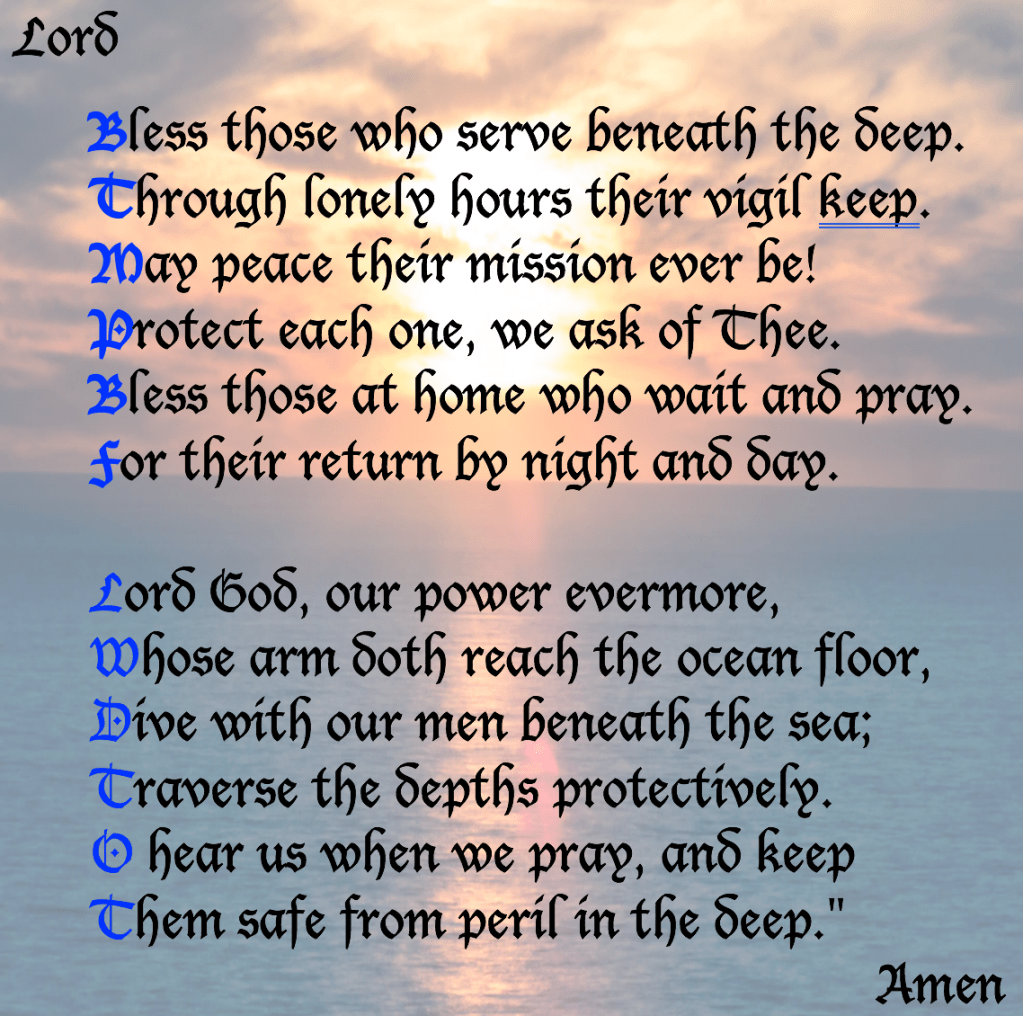
7.Submariners Prayer

Our mailing address is:
USSVI Bowfin Base Pearl Harbor
94-219 Wehena Place
Waipahu, Hawaii 96797

Fair Winds and Following Seas to ET1(SS) Howard Watanabe

On March 11, 2025 Howard H. Watanabe ET1(SS) Retired, embarked on his final patrol upon receipt of his Heavenly Orders from our Supreme Commander. He has shipped out to calm seas and warm breezes to join the company of his shipmates who have gone before him. He is welcomed by our loving God, safely navigating the seas of eternity. Mahalo for your service in Submarines. “Always remembered—Never forgotten”

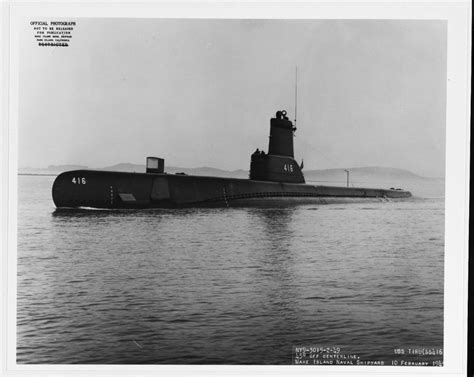
Known as “Nobber” by his shipmates, Howard was born in 1945, in a Japanese internment camp, in Idaho. He qualified submarines on USS Tiru (SS 416). He also served on USS Catfish (SS 339), and USS Puffer (SSN 652). He retired from the U.S. Navy and resided in Mililani, Hawai’i.

USS Tiru (SS 416)

Chuck Merkel reflects on nine years at the Pacific Fleet Submarine Museum

Aloha State Daily | April 30, 2025

On May 1, Merkel will retire as executive director of the museum, featuring World War II submarine USS Bowfin, within Pearl Harbor National Memorial.

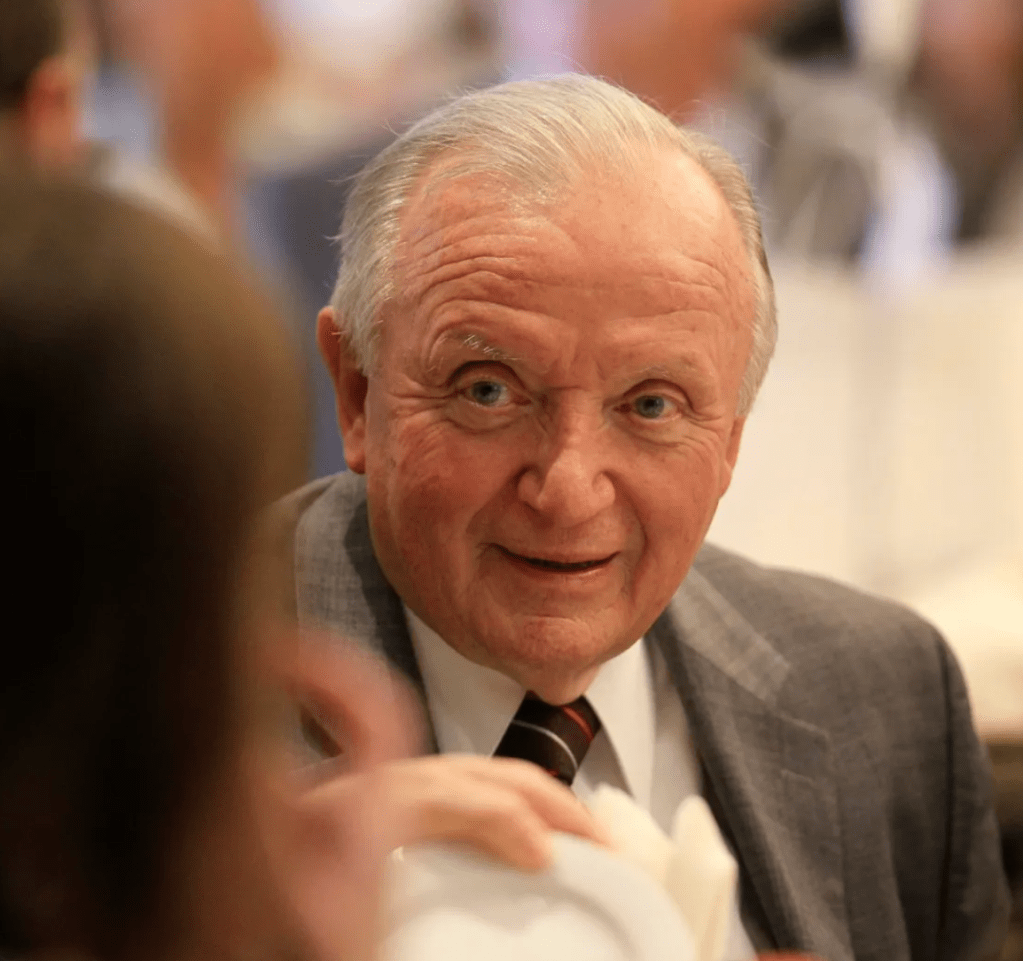
Charles “Chuck” Merkel remembers being handed construction drawings for renovations of the Pacific Fleet Submarine Museum on his first day as executive director in May 2016.

Nine years later, Merkel is set to retire at the museum association’s annual dinner and meeting on May 1. He said completing the $20 million renovation he inherited on Day One was both challenging and rewarding.

Read Full Story HERE.

Pacific Fleet Submarine Museum Monthly E-Newsletter – April 2025

April is National Volunteer Month, a time to celebrate the people who bring passion, dedication, and heart to the Pacific Fleet Submarine Museum. These individuals generously give their time, energy, and expertise to preserve our maritime legacy and share it with visitors worldwide.

Whether they are supporting educational programs, conducting tours, or simply offer a friendly conversation, our volunteers play a vital role in the museum’s everyday activities. Their varied backgrounds—from veterans and military families to students and history enthusiasts—provide distinct viewpoints that enhance the experience for every visitor.

Interested in our volunteer opportunities? Click HERE.

What’s Inside

Passing of Former Submarine Commander Harry Mathis
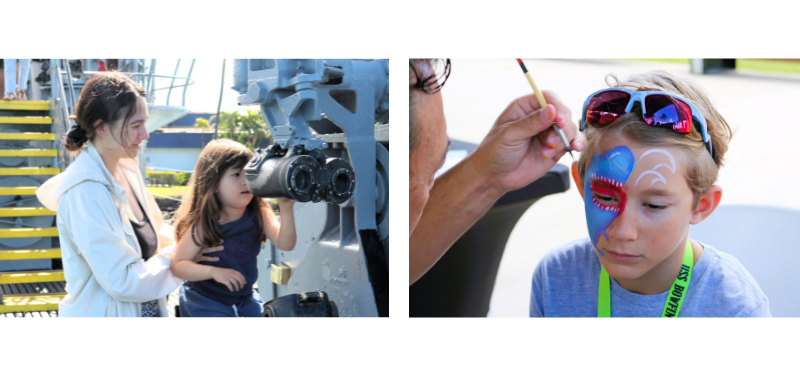
Kama‘aina Sunday Event at Museum

Read full Newsletter HERE.

Restoration work begins on concrete wharves that tethered doomed USS Arizona

Stars & Stripes | April 30, 2025

Visitors to the USS Arizona Memorial in Pearl Harbor, Hawai’i, will get an extra eyeful in coming months as crews work to restore a pair of historic quays where the doomed battleship was moored on the morning of the 1941 Japanese surprise attack.

The National Park Service Historic Preservation Training Center began restoration work Monday on the second of three pairs of historic quays being rehabbed in a multiyear project.

Read more HERE.

The Periscope May 2025

The Periscope is a monthly publication of the Los Angeles-Pasadena Base of USSVI.

What’s Inside
General Meeting Minutes
Tolling the Boats
Russian Sub Fleet Explained
U.S. Nuke Boat Visits Ally
Brit Astute-Class Boat
Dex Armstrong
Chapter News
Calendar Events
E-Board Meeting Minutes
More Funds for Columbia

Read full newsletter HERE.