

From all of us to each of you, we wish you a Hauʻoli Lā Hānau!

From all of us to each of you, we wish you a Hauʻoli Lā Hānau!

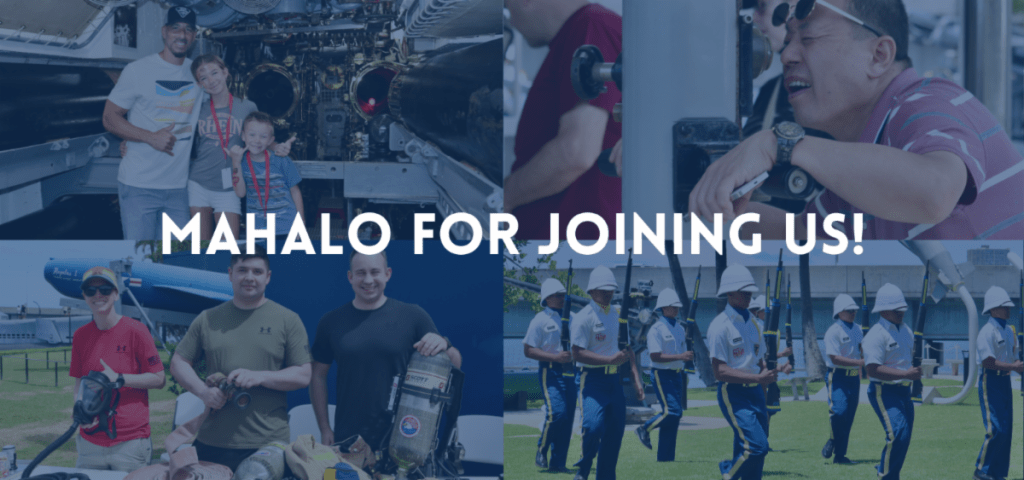
Mahalo to the hundreds who joined us at our museum’s recent “Kama‘aina Sunday” event on April 19! The family-friendly event was held to celebrate the 126th Anniversary of the U.S. Navy Submarine Force.
What’s Inside
PSFM in Hawai’i Parent Magazine
PSFM on Hawai’i News Now’s “The Rally Point” Podcast
On Going Renovations
Ever wondered why submarines carry deck guns?
Read full Newsletter HERE.
Bowfin Pearl Harbor Base | April 10, 2026
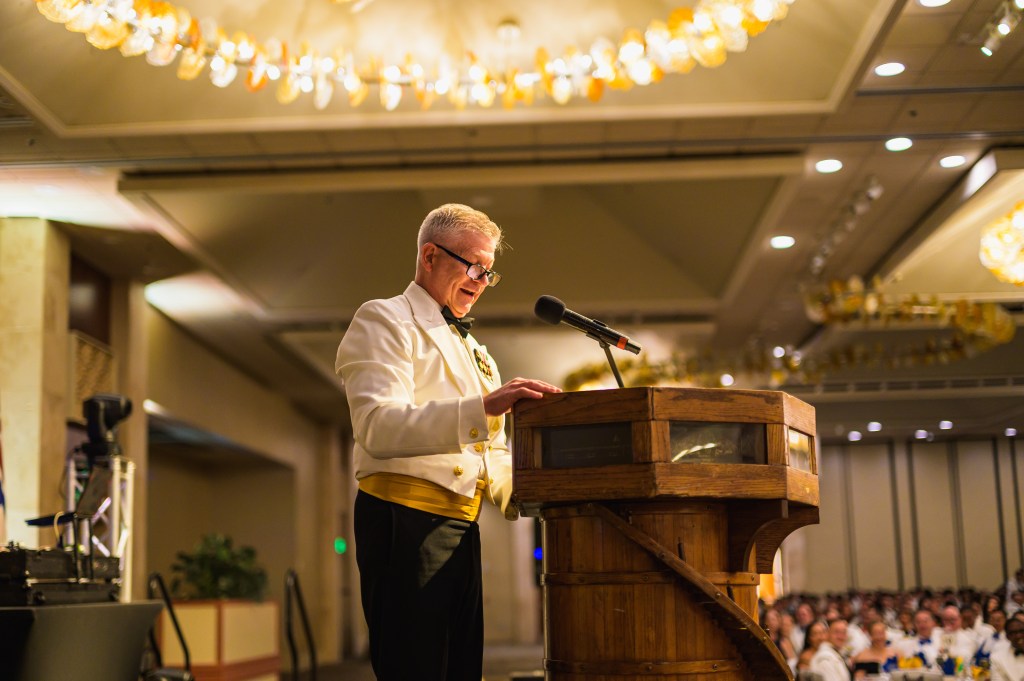
On Friday, April 10, 2026, the submarine community gathered at the Coral Ballroom of the Hilton Hawaiian Village in Honolulu to celebrate the 126th anniversary of the U.S. Submarine Force. The prestigious event, held annually to commemorate the inception of the Navy’s submarine service on April 11, 1900, brought together sailors, veterans, and leadership from the Pacific Submarine Force homeported in Pearl Harbor.
A Night of Tradition and Excellence
The celebration kicked off with a cocktail hour, followed by formal ceremonies. The evening honored the naval tradition of recognizing submarine sailors’ dedication to protecting America’s interests beneath the waves. Attendees dressed in accordance with Navy protocol, with enlisted personnel E-6 and below in Dress Whites, while senior enlisted and officers wore Choker White or Dinner Dress White Jackets.
Retired Master Chief Petty Officer of the Navy (MCPON) Rick D. West delivered remarks as the keynote speaker, bringing decades of experience and institutional knowledge to inspire the gathered submariners. West’s presence at the event underscored the significance of the occasion, as his address resonated with sailors at all levels of the submarine force.
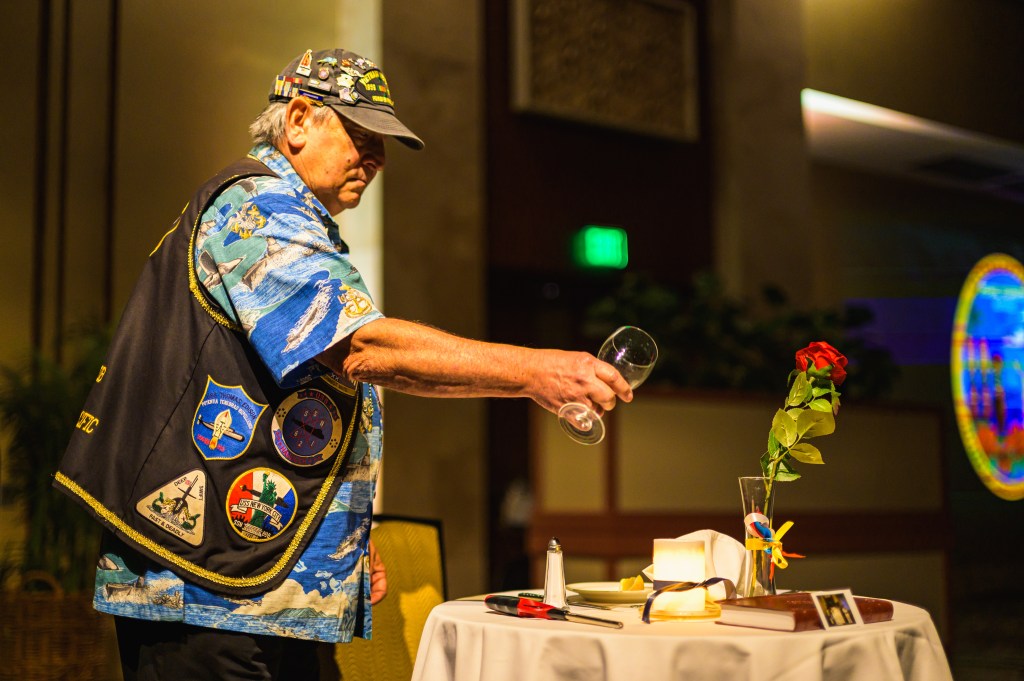
Rear Admiral Chris Cavanaugh, Commander of Submarine Force, U.S. Pacific Fleet (COMSUBPAC), and Master Chief Aaron Lee, Force Master Chief of COMSUBPAC, participated in the evening’s formal cake-cutting ceremony, a cherished tradition at submarine birthday balls. Additionally, a formal POW/MIA memorial table honored those who made the ultimate sacrifice.
Retired Submarine Veteran Pat Suenaga, representing the Bowfin Pearl Harbor Base submarine veterans, led one of the most solemn moments of the evening with the POW/MIA remembrance ceremony for all service members. In the quiet ballroom, he guided guests through the symbolism of the small table set for one—the white cloth for the purity of their service, the red rose for sacrifice, the yellow ribbon for hope, the lemon and salt for bitterness and tears, the inverted glass and empty chair for those who cannot return. His presence gave voice to the silent roll call of the missing.
Many in attendance bowed their heads in reflection, remembering shipmates, mentors, and friends who now exist only in stories, photographs, and the silent roll call of memory. The ceremony closed as the room remained in quiet reverence, a collective promise that those still missing will never be forgotten.
The 126th Submarine Birthday Ball celebrated more than a century of excellence. As noted in official materials, the Pacific Submarine Force continues to provide strategic deterrence, anti-submarine warfare, anti-surface warfare, precision land strike, intelligence, surveillance, reconnaissance, early warning, and special warfare capabilities around the globe.
For submariners stationed in Hawai’i or attending the event, the evening served as a powerful reminder of their place within a proud and storied tradition.

Volume 81
To perpetuate the memory of our shipmates who gave their lives while voluntarily serving in submarine warfare in the pursuit of their duties while serving their country. That their dedication, deeds and supreme sacrifice be a constant source of motivation toward greater accomplishments. To further promote and keep alive the spirit and unity that existed among submarine crewmen during World War II. To promote sociability general welfare and good fellowship among our members. To pledge loyalty and patriotism to the United States of America and it’s constitution.
1. Bowfin Pearl Harbor Base
Bowfin Meeting – We conducted our April meeting at Clean Sweep Bar, Lockwood Hall. The following members attended – Dave Atkins, George Barlett, Jim Bazemore, David Bilek, Rodney Boucher, Dan Del Monte, Karl Dye, Nelson Greer, Gary Johnson, John Johnson, Paul Jurcsak, Brett Kulbis, Ace Parker, Crichton Roberts, Thom Sousa, Tim Sparks, Pat Suenaga, Wade Thode, and Joe Winzenried.
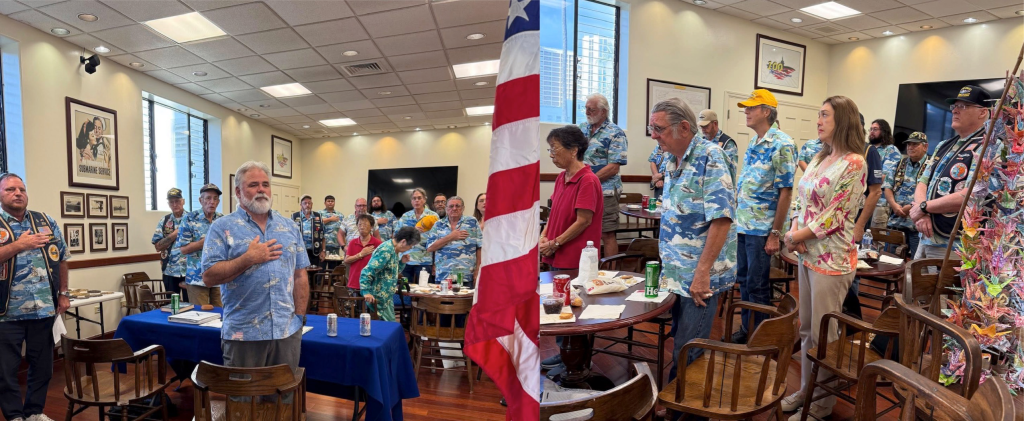
Welcomed Guests – Ozzy Osentoski, Scouts Gill and Gordon Messing, Miya Bilek, Nancy Kreis, Ann Gosling, Wade & William Thode.
Binnacle List – Please keep all our members and their families in your good thoughts and prayers.
Hauʻoli Lā Hānau! Bowfin Birthdays for the month of April.
Patrol Reports
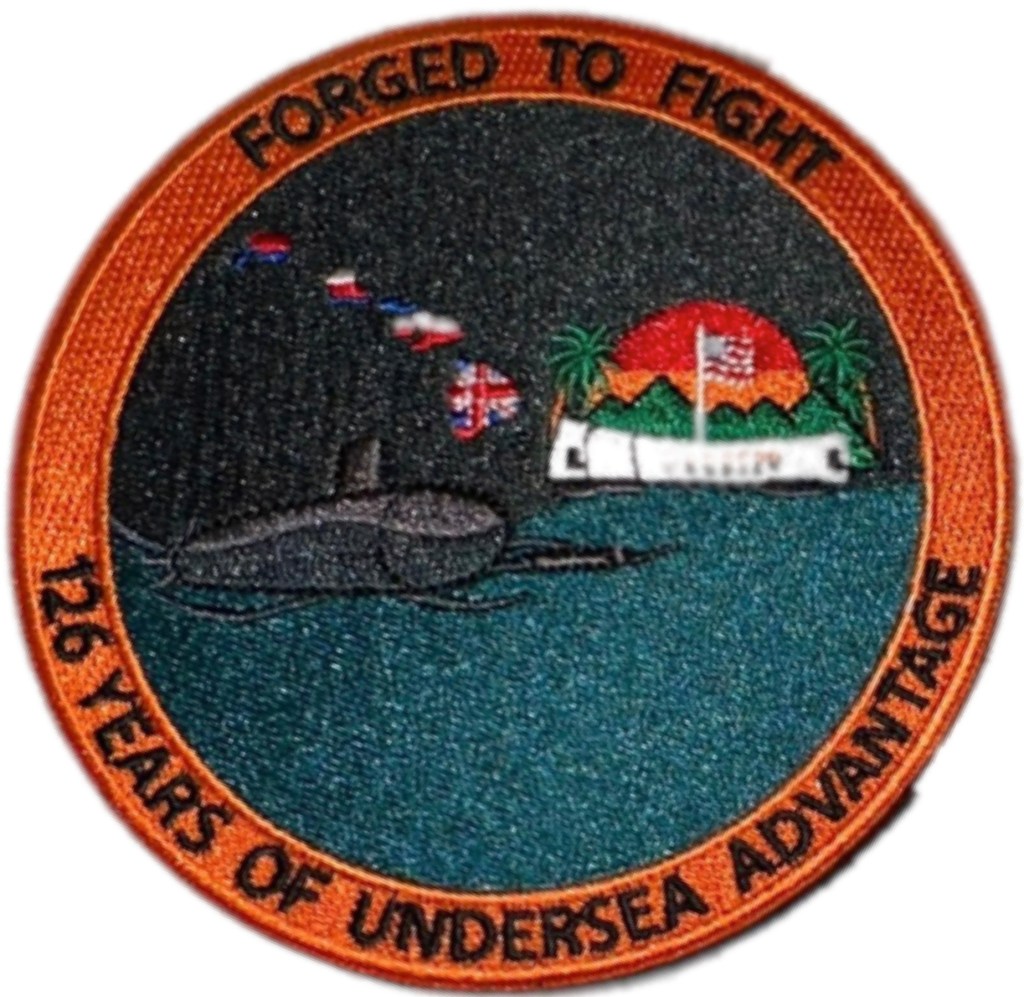
Celebrating 126 Years of Undersea Dominance: Honoring the U.S. Submarine Force
National Vietnam War Veterans Day
Honoring a Hometown Hero: Pat Suenaga Leads 2026 Vietnam Veterans Day Commemoration at Punchbowl
Burial at Sea
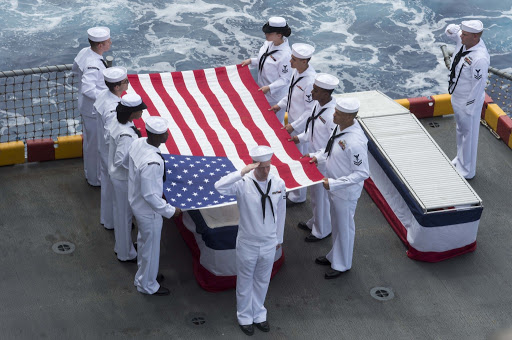
Burials at Sea in Hawai’i is an honored tradition available to eligible service members, veterans, and their family members. Requests are coordinated through the Navy’s Mortuary Affairs office, and detailed guidance is available on the MyNavyHR website.
Once the Decedent Affairs office approves the request, operational tasking is assigned by the U.S. Third Fleet, with support from the Submarine Readiness Squadron Chaplain.
Locally, families may contact the Tripler Army Medical Center coordinator at 808‑433‑4709 or 808‑577‑7590 for assistance with arrangements.
Bowfin Holland Club Members

Base Officers & Staff
Commander Paul T. Jurcsak
Vice Commander Tim Sparks
Secretary Brett Kulbis
Treasurer Pat Suenaga
Chief of the Boat Gary G. Johnson
Storekeeper George F. Barlett
This Month in Base History
2000 National Memorial Cemetery of the Pacific (Memorial Walkway) dedication of U.S. Navy Submarine Service plaque.
1981 USSVI of WWII Hawai’i Chapter commemorative plaque installed at the Submarine Memorial Pearl Harbor.
1963 Pearl Harbor Submarine Birthday Ball cancelled due to loss of USS Thresher.
1963 USS Thresher memorial held. COMSUBPAC ADM Clarey, “There are few of us who didn’t have a friend or a shipmate who went down on it.”
2. U.S. Submarine Veterans Inc.
USSVI Officers & Staff
USSVI National Commander Jon D. Jaques
USSVI Western Region Director Peter T. Juhos
USSVI Western District 6 Commander Dave Vanderveen
USSVI Office Manager Charles F. Murray
3. Information of Interest
VA News Releases
Defense News – Early Bird
4. Still On Patrol
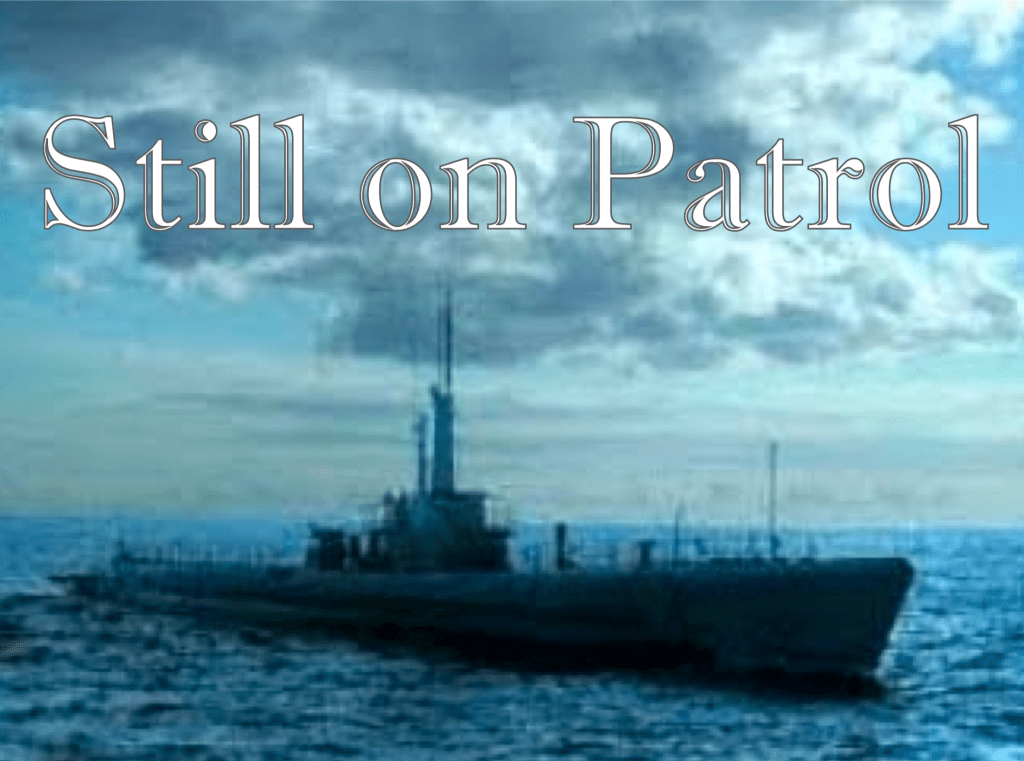
Tolling of the bells for boats lost in the month of April.
5. Important Links
Bowfin Base Pearl Harbor
Plan of the Day
USSVI Bowfin Base Facebook (Like Us, Follow Us and Share with your shipmates)
Past 20 Bowfin Base Eblasts
Friends of the Submarine Memorial Chapel Facebook (Like Us, Follow Us and Share with your shipmates)
USS Bowfin Submarine Museum & Park
American Submariner Magazine
Pearl Harbor Dolphin Store (Your one stop shop for submarine merchandise.)
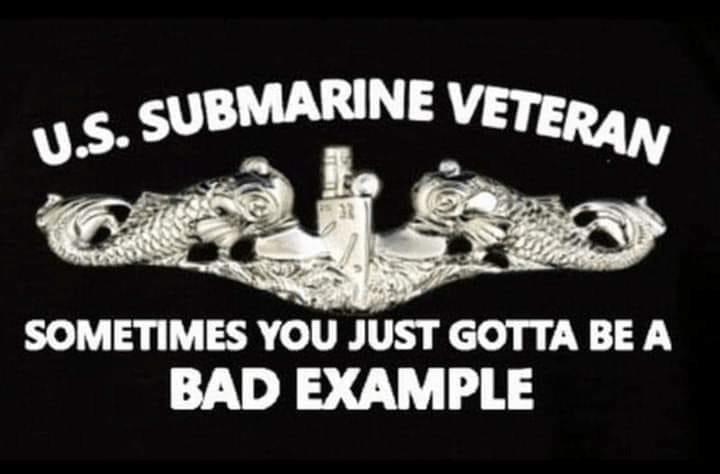
6. Submarine Humor
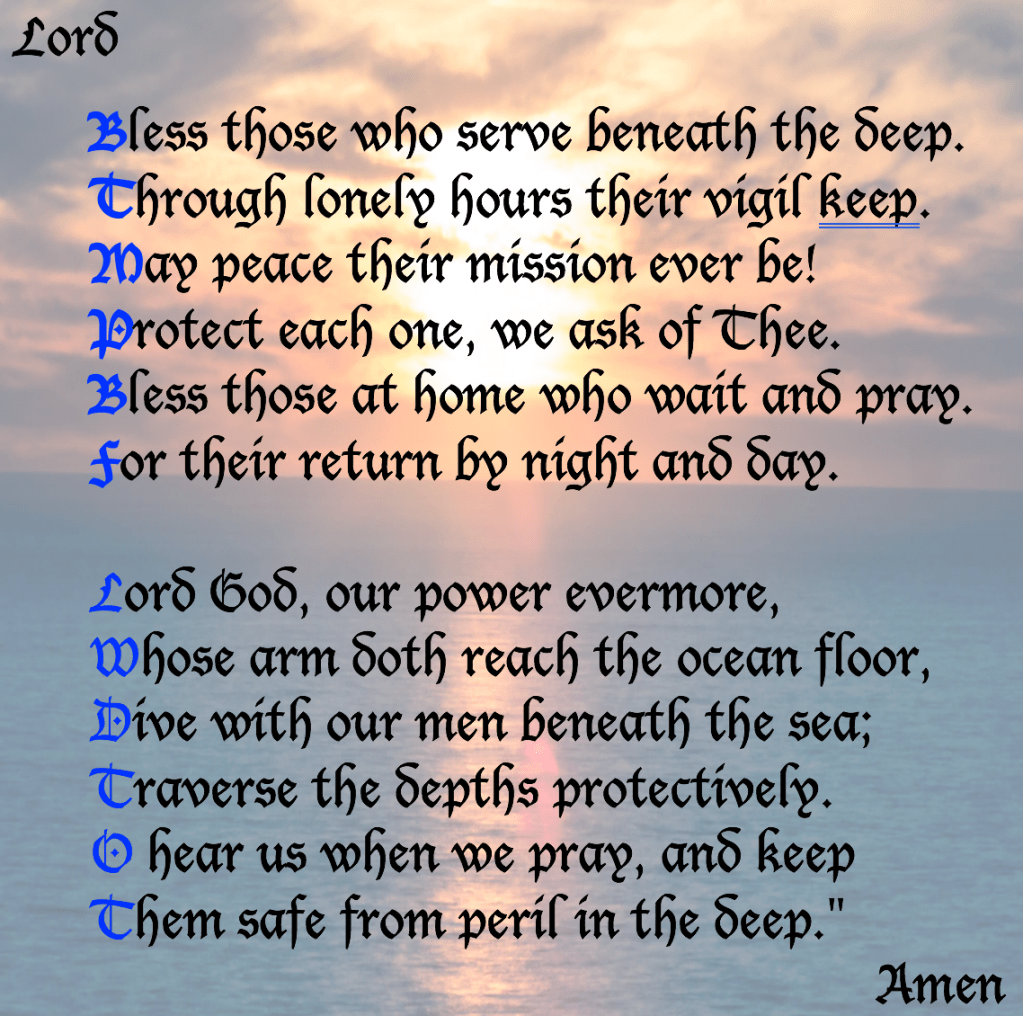
7. Submariners Prayer

Our mailing address is:
USSVI Bowfin Base Pearl Harbor
94-219 Wehena Place
Waipahu, Hawaii 96797
Bowfin News | April 11, 2026
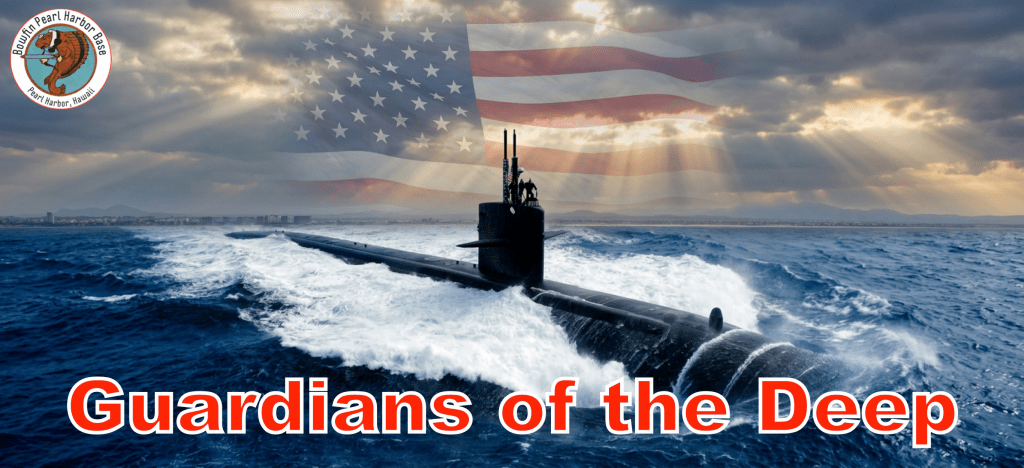
On April 11, 1900, the U.S. Navy accepted its first commissioned submarine, the USS Holland (SS‑1), marking the dawn of a new era in naval warfare. From that modest 54‑foot craft to today’s state‑of‑the‑art nuclear‑powered fleet, the U.S. Submarine Force has maintained an unbroken record of courage, innovation, and dominance beneath the sea. This year, as we celebrate the 126th Birthday of the “Silent Service,” we honor not only its rich legacy but also its enduring command of the undersea domain.
From the early days of World Wars I and II—when submarines turned the tide of battle and crippled enemy fleets—to the tension‑filled depths of the Cold War, American submarines have proven unmatched in stealth, power, and precision. During World War II, U.S. submariners accounted for more than half of Japan’s maritime losses while representing less than two percent of the Navy’s personnel—a testament to their effectiveness and resolve. That same spirit continues today in every mission carried out quietly beneath the surface.
The cutting‑edge Virginia‑class and Columbia‑class submarines stand as showcases of American ingenuity and technological mastery. Designed for stealth, survivability, and endurance, these vessels can operate undetected for months, project global power, and ensure that America’s deterrent remains credible and constant. Their presence below the ocean’s surface deters hostile action, gathers critical intelligence, and ensures U.S. sea control across every theater of operations.
Yet true undersea dominance relies on more than just machines—it depends on the men and women who serve aboard them. Submariners are among the world’s most skilled and disciplined sailors, mastering complex systems while braving isolation and pressure both literal and figurative. Their teamwork, precision, and quiet professionalism ensure that the United States remains ready to respond anywhere, anytime, even in the most hostile environments on Earth.
For 126 years, the U.S. Submarine Force has embodied “Peace through Strength”. As we honor this anniversary, we salute the generations of submariners—past, present, and future—who stand guard in silence, ensuring America’s freedom through unmatched undersea dominance.
Happy 126th Birthday to the
U.S. Submarine Force!
Bowfin News | April 2026
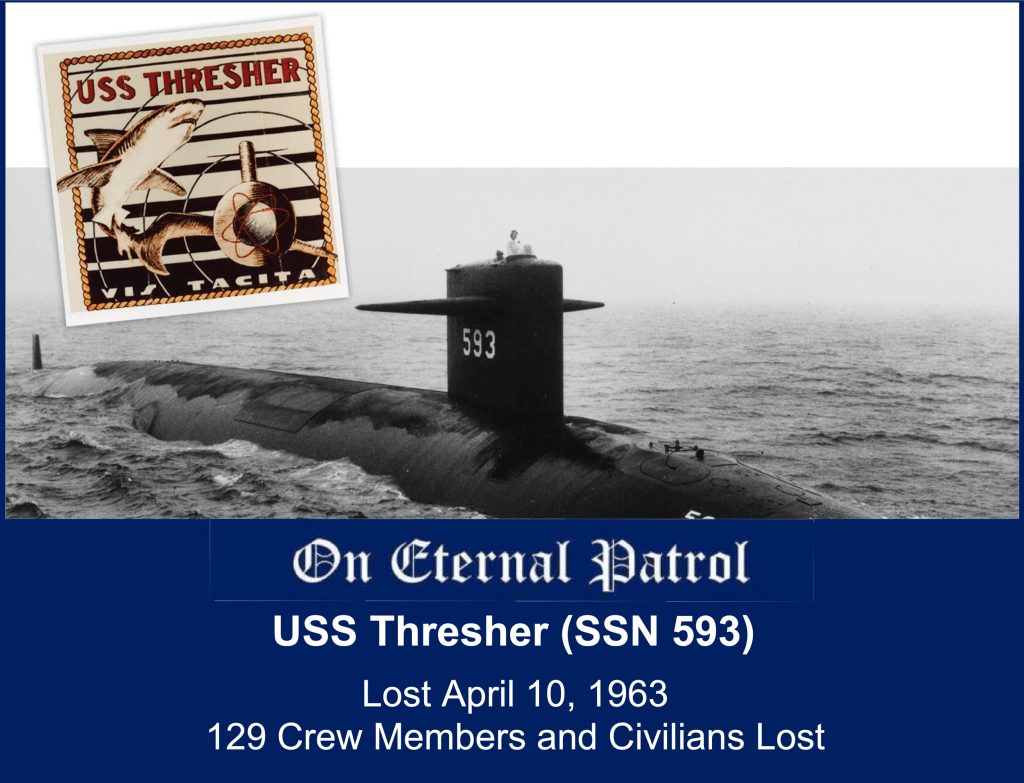
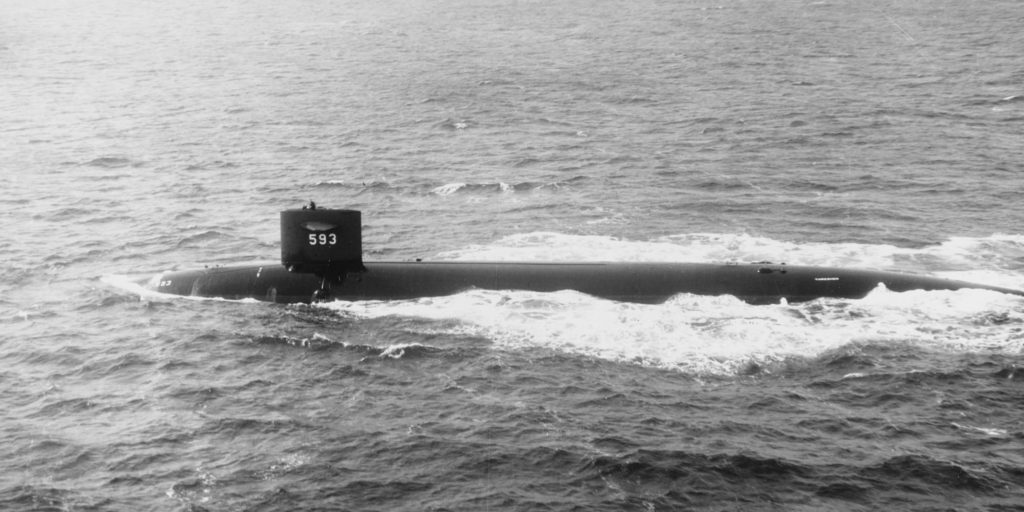
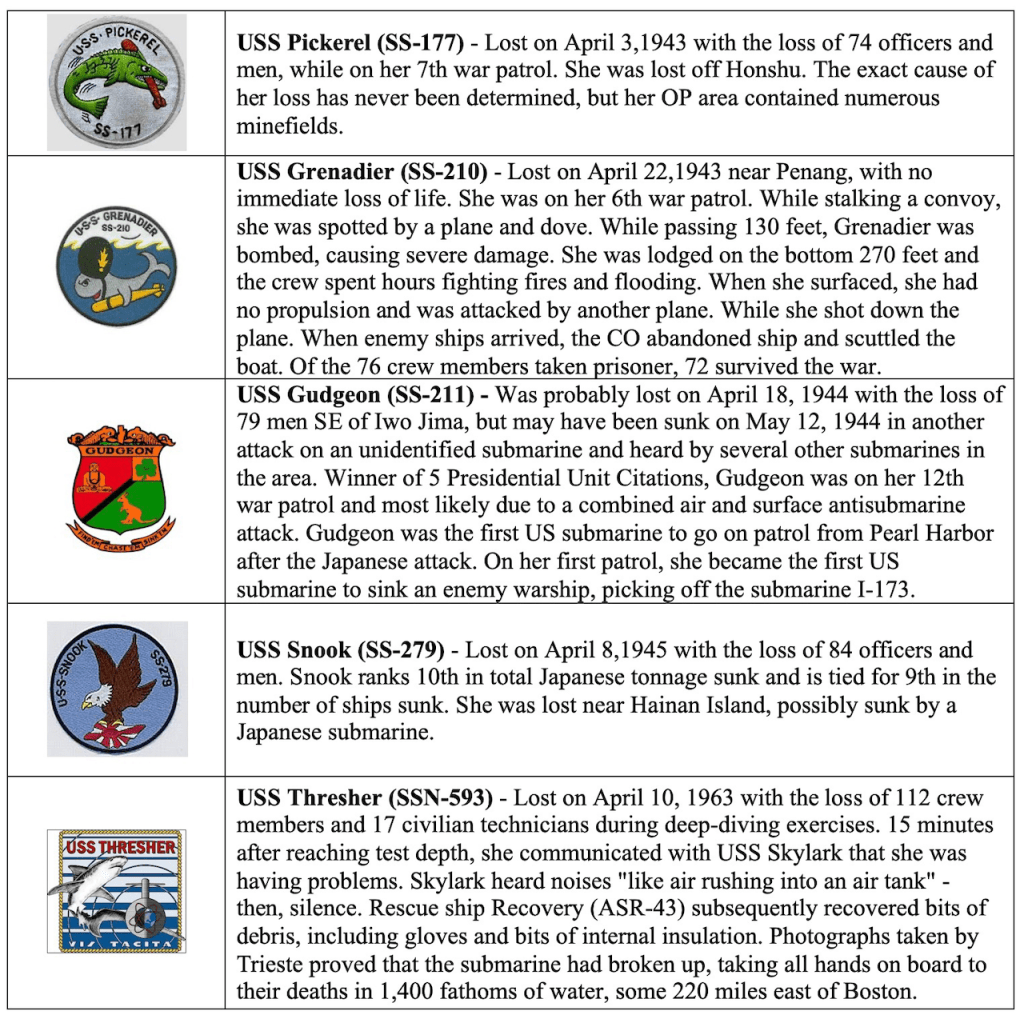
USS Thresher (SSN 593) was laid down on 28 May 1958 by the Portsmouth (N.H.) Naval Shipyard; launched on 9 July 1960; sponsored by Mrs. Frederick B. Warder; and commissioned on 3 August 1961, Commander Dean W. Axene in command.

Following trials the nuclear attack submarine took part in Nuclear submarine Exercise (NUSUBEX) 3-61 off the northeastern coast of the United States from 18 to 24 September.
On 18 October; the submarine headed south along the east coast. After calling at San Juan, Puerto Rico, she conducted further trials and test-fired her torpedo system before returning to Portsmouth on 29 November. The ship remained in port through the end of the year and spent the first two months of 1962 evaluating her sonar system and her Submarine Rocket (SUBROC) system. In March, the submarine participated in NUSUBEX 2-62, an exercise designed to improve the tactical capabilities of nuclear submarines, and in anti-submarine warfare training with Task Group ALPHA.
Off Charleston, the ship undertook operations observed by the Naval Antisubmarine Warfare Council, before she returned briefly to New England waters from whence she proceeded to Florida for SUBROC tests. However, while mooring at Port Canaveral, the submarine was accidentally struck by a tug which damaged one of her ballast tanks. After repairs at Groton, CT, by the Electric Boat Company, the ship returned south for more tests and trials off Key West. Thresher then returned northward and remained in dockyard hands through the early spring of 1963.

In company with SKYLARK (ASR 20), Thresher put to sea on 10 April 1963 for deep-diving exercises. In addition to her 16 officers and 96 enlisted men, the submarine carried 17 civilian technicians to observe her performance during the deep-diving tests.
Fifteen minutes after reaching her assigned test depth, the submarine communicated with SKYLARK by underwater telephone, apprising the submarine rescue ship of difficulties. Garbled transmissions indicated that – far below the surface – things were going wrong. Suddenly, listeners in SKYLARK heard a noise “like air rushing into an air tank” – then, silence.
Efforts to reestablish contact with Thresher failed, and a search group was formed in an attempt to locate the submarine. Rescue ship RECOVERY (ARS 43) subsequently recovered bits of debris, including gloves and bits of internal insulation. Photographs taken by bathyseaph TRIESTE proved that the submarine had broken up, taking all hands on board to their deaths in 1,400 fathoms of water, some 220 miles east of Boston.
THRESHER was officially declared lost in April 1963.
Submarine Safety (SUBSAFE) – After the Thresher incident, a court of inquiry and the Joint Congressional Committee on Atomic Energy hearings concluded that a flooding casualty in the engine room, resulting from a piping failure in one of the sea-water systems, was the most probable cause. On 3 June 1963, the SUBSAFE program was established within the Bureau of Ships to develop the Submarine Safety Certification Criterion, outlining the minimum actions required to provide a satisfactory level of confidence in the integrity of submarine systems and the adequacy of certain depth-control capabilities. The first effort to apply additional rigor in design, manufacturing, operation, and maintenance to a subset of critical systems within the nuclear submarine, the program’s goal was to provide maximum reasonable assurance of hull integrity to preclude flooding, and the operability and integrity of critical systems and components to control and recover from a flooding casualty, should one occur. The Bureau of Ships issued a certification criterion addressing design, material, fabrication, testing, and record keeping on 20 December 1963.
Since the inception of the SUBSAFE Program in 1963, only one submarine has been lost. USS Scorpion (SSN 589) was lost in May 1968 with 99 officers and men aboard. She was not a SUBSAFE certified submarine and the evidence indicates that she was lost for reasons that would not have been mitigated by the SUBSAFE Program. We have never lost a SUBSAFE certified submarine.
Bowfin Pearl Harbor Base | April 6, 2026
Patrick “Pat” Suenaga’s leadership and life story were at the heart of the 2026 Vietnam Veterans Day commemoration at the National Memorial Cemetery of the Pacific, where veterans, military leaders and families gathered to honor all who served during the Vietnam War era.
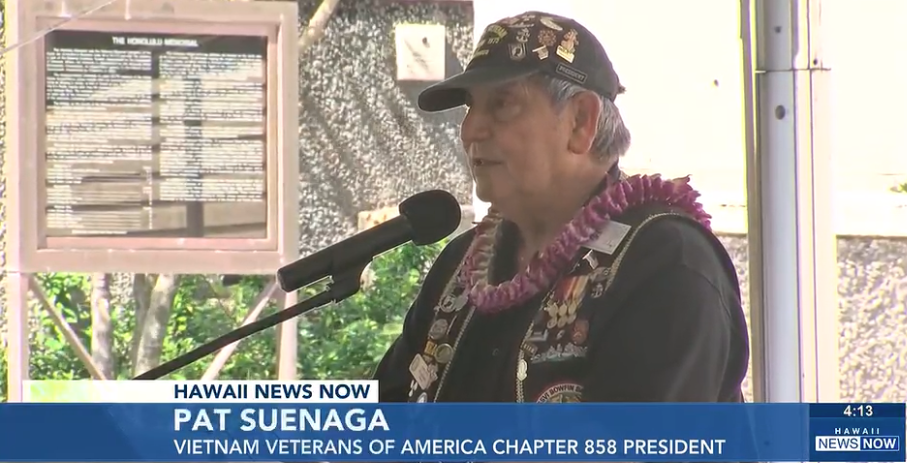
On March 27, 2026, hundreds assembled on the grassy slopes of Punchbowl for a solemn ceremony marking National Vietnam War Veterans Day. The extinct volcanic crater, long a sacred place of rest for more than 53,000 American service members, provided a serene backdrop as color guards, wreath bearers and rifle teams moved with precise, unhurried dignity. The message echoed throughout the morning was simple but powerful: after decades of indifference or hostility that many Vietnam veterans faced on returning home, the nation now says, “Welcome Home.”
At this year’s commemoration, that message was personified by CPO Pat Suenaga, U.S. Navy (Ret.), president of Vietnam Veterans of America Chapter 858 on Oahu and a familiar advocate for veterans across Hawaiʻi. A Honolulu native and graduate of St. Louis School, Suenaga first joined the Hawaiʻi Army National Guard while still in high school in 1972 before a Navy recruiter persuaded him to enter the U.S. Navy’s Nuclear Power Program later that year. He went on to serve aboard multiple ships and submarines in the Pacific at the end of the Vietnam War, part of the final generation of sailors who deployed to the region before the last U.S. combat troops departed South Vietnam in 1973. After being medically retired, Suenaga built a second career in engineering in Los Angeles and then in downtown Honolulu, but he never stepped away from the military community that shaped his life.
Today, Pat is a central figure in nearly every major veterans organization on Oahu: he leads VVA Chapter 858, commands Disabled American Veterans Chapter 1, and serves as treasurer for the U.S. Submarine Veterans Bowfin Base at Pearl Harbor. Those roles positioned him to help organize and host the 2026 Punchbowl ceremony, continuing a tradition in which Chapter 858 partners with U.S. Pacific Fleet and other commands to ensure the observance remains both deeply local and nationally significant. At the commemoration, Pat offered opening remarks that wove together his own experience as a young Yonsei—fourth‑generation Japanese American whose family has lived in Hawaiʻi for more than a century—with the broader story of Hawaiʻi residents who fought in Vietnam from plantations, inner‑city neighborhoods and rural islands across the state. His presence underscored how deeply the legacy of the war runs through Hawaii’s communities, from Kalihi, where he grew up and still lives, to the neighbor islands that sent sons and daughters to Southeast Asia.
The program reflected the joint‑service nature of modern Hawaii’s military, with participation from the U.S. Pacific Fleet Band, joint color guards, rifle teams and wreath‑laying parties representing a wide range of veterans organizations. Rear Admiral (Ret.) Alma Grocki served as master of ceremonies, guiding attendees through a schedule that included a prayer, national and state anthems, an invocation, remarks by Pat, and keynote addresses from Brig. Gen. Phillip Mallory, Deputy Adjutant General of the State of Hawaiʻi, and Maj. Gen. Christopher Faurot, Mobilization Assistant to the Commander, U.S. Indo‑Pacific Command. As wreaths were placed and a rifle volley cracked across the crater, taps rang out over the cemetery, drawing the crowd into a moment of shared silence for the more than 58,000 Americans who died in the conflict and the millions who served during the war era. For many families, including Gold Star relatives and aging veterans who once slipped home in uniform to protests instead of parades, the ceremony was both a recognition long delayed and a chance to remember fallen comrades in the company of those who understand their grief.
Beyond the pageantry, the 2026 Vietnam Veterans Day commemoration highlighted the quiet, steady work Pat has carried out for decades: connecting veterans with health care, encouraging younger generations to understand the cost of war, and keeping Hawaii’s unique military history at the forefront of public memory. Whether coordinating parades in Waikīkī, representing submarine veterans, or standing at Punchbowl to say “Welcome Home” on behalf of a grateful community, he embodies the determination of Vietnam veterans not to be defined only by trauma, but by service to one another and to the state they call home. In honoring Pat’s story, this year’s ceremony affirmed that the legacy of Vietnam is still being written—by veterans who continue to serve, by their families, and by communities like Honolulu that gather year after year on the rim of an ancient crater to remember.
Watch: Hawai’i News Now – War Veterans
2026 Vietnam Veterans Day Commemoration Ceremony Photos
The Parade
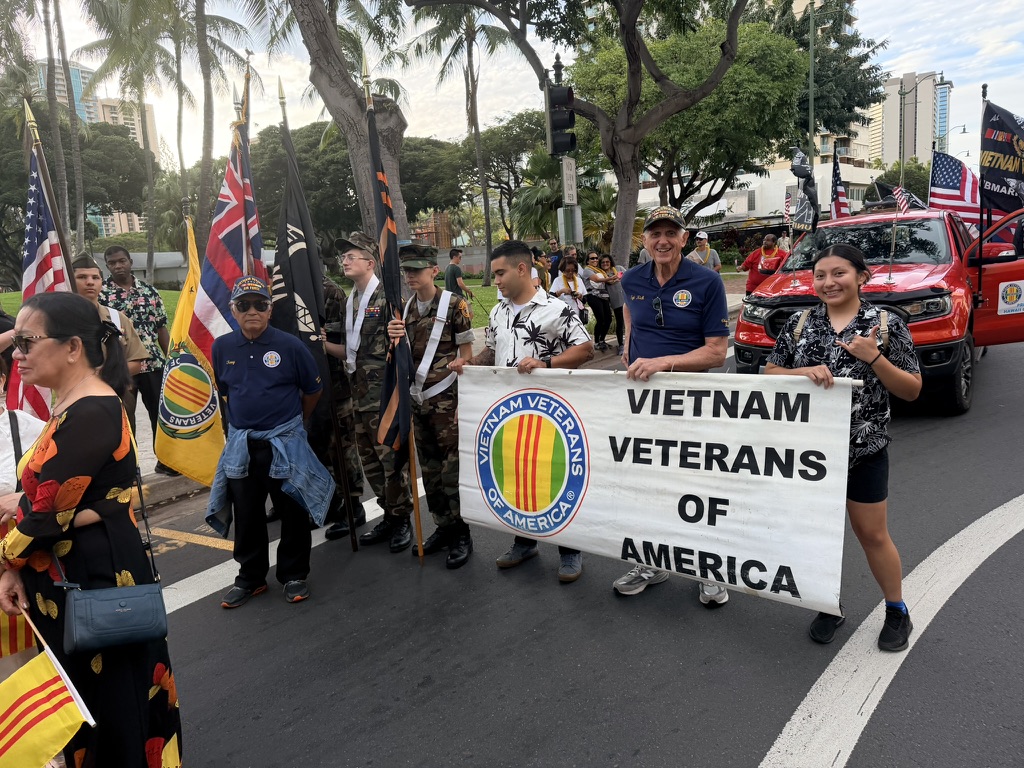
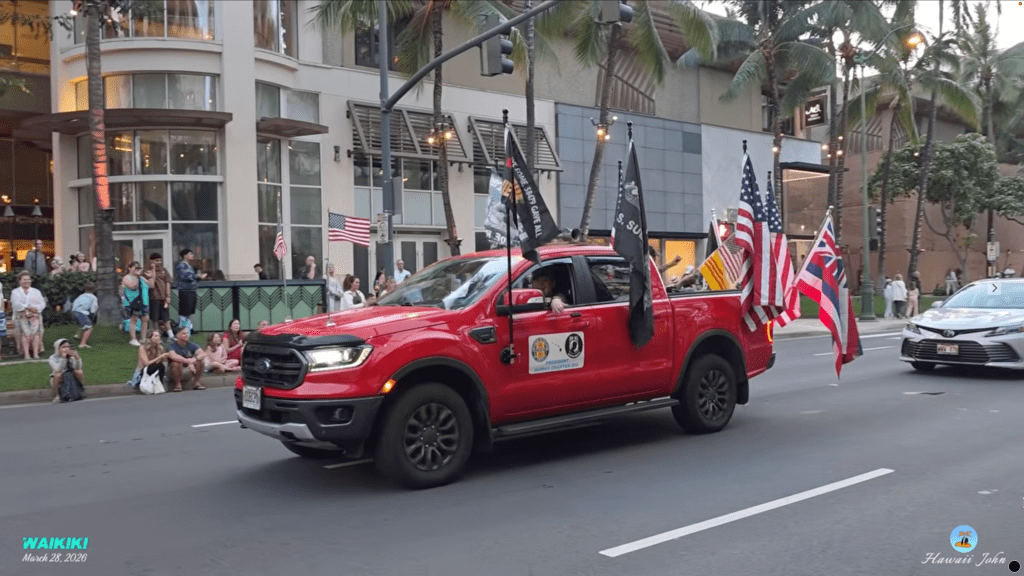
During the Vietnam Veterans Day parade on March 28, 2026, Pat did more than ride along—he turned his decorated truck into a moving tribute to those who served. Covered in unit insignias, flags, and remembrance emblems, the truck became a natural focal point as fellow Vietnam veterans walked proudly ahead of it, holding their banner high. Pat’s steady presence behind the wheel symbolized the support and solidarity he has offered his comrades for decades, while the veterans leading the way showed that their service and sacrifice continue to march at the front of the community’s memory.

The history of the U.S. Navy Chief Petty Officer (CPO) is a story of leadership, tradition, and evolution within the Navy’s structure. Below is an overview of its key milestones:
Establishment of the Rank
The rank of Chief Petty Officer remains a cornerstone of U.S. Navy leadership, symbolizing professionalism, expertise, and dedication to service.
From all of us to each of you, we wish you a Hauʻoli Lā Hānau!
On 10 April 1963, while engaged in a deep test dive, the nuclear submarine USS THRESHER (SSN 593) was lost at sea with all persons aboard. Based on the findings of a Court of Inquiry and the subsequent Joint Congressional Committee on Atomic Energy hearings into the loss of the THRESHER, it was concluded that a flooding casualty in the engine room, resulting from a piping failure in one of the salt water systems, was the most probable cause for the loss.
A THRESHER Design Appraisal Board determined that, although the basic design of this submarine class was sound, measures should be taken to improve the level of confidence in the material condition of the hull integrity boundary and in the ability of submarines to control and recover from flooding casualties. Thus the genesis of the Level I/SUBSAFE Program. The program establishes control for procurement, inspection, certification, test, identification, documentation, record control, storage, issue, turn-in, recall and disposal. Level I/SUBSAFE Stock Program materials are intensively managed and controlled. They require certification with traceable objective quality evidence. Items include submarine hull pressure boundary fittings, high pressure air and gas components, high pressure/temperature steam system components and selected safety related equipment on surface ships and submarines.
 Bowfin Pearl Harbor Base