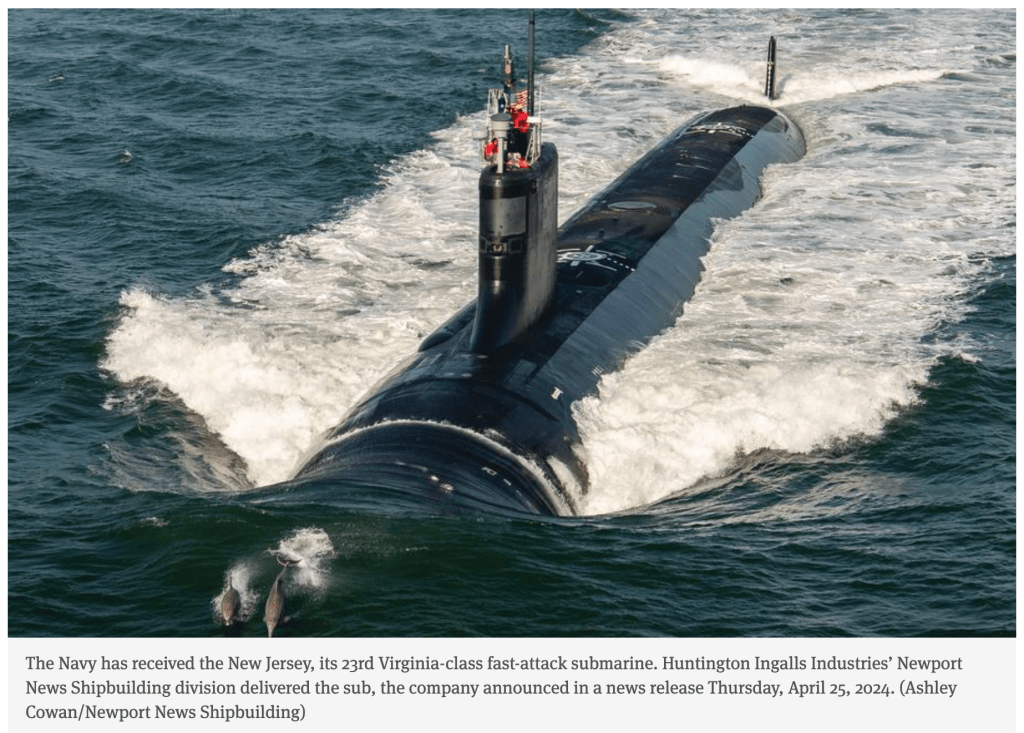
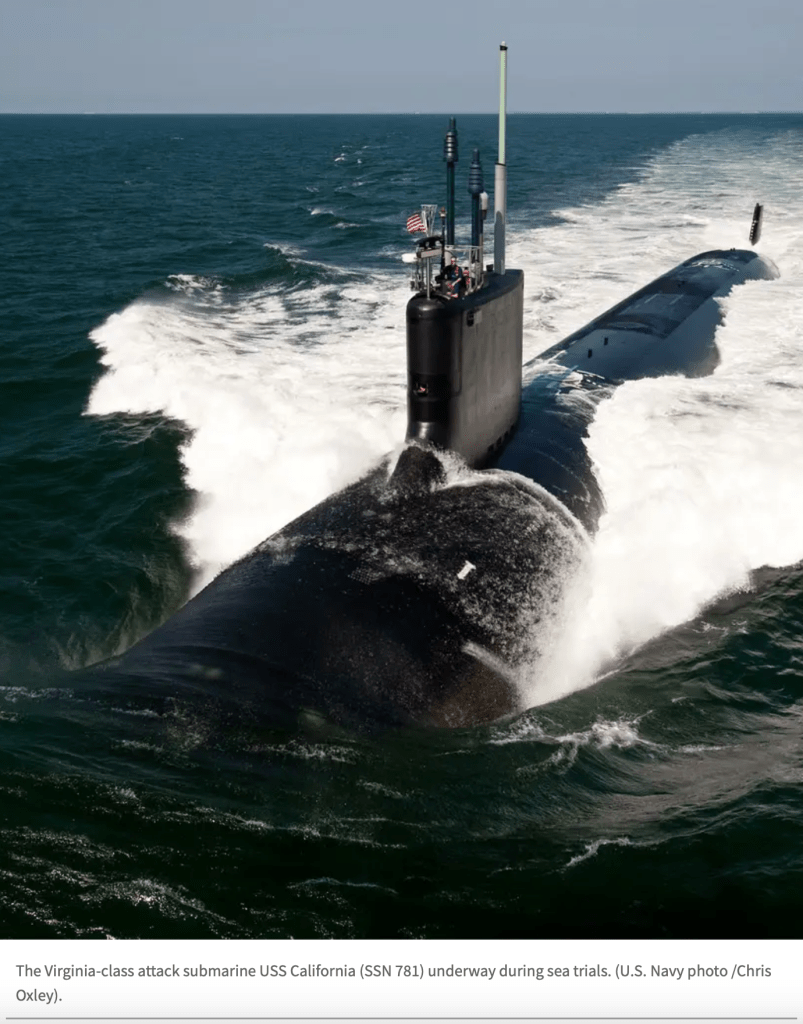
The Navy has received the USS New Jersey (SSN 796), its 23rd Virginia-class fast-attack submarine from Huntington Ingalls Industries’ Newport News Shipbuilding division on Thursday April 25th.
New Jersey is the 11th Virginia-class submarine delivered by NNS, and the 23rd built as part of the teaming agreement with General Dynamics Electric Boat.
A House panel has made clear it wants the Navy to buy two attack submarines in fiscal 2025 in order to keep the submarine-industrial base on a path of recovery, despite the service requesting just one.
In a fiscal year when the defense budget is capped at 1% growth above the previous one, the Navy elected to ask for six ships in its FY25 budget, including one Virginia-class attack submarine. That submarine program is supposed to be on a cadence of two per year or greater to support the needs of both the U.S. and Australian navies. The latter is acquiring submarines as part of the trilateral AUKUS agreement also involving the U.S. and the U.K.
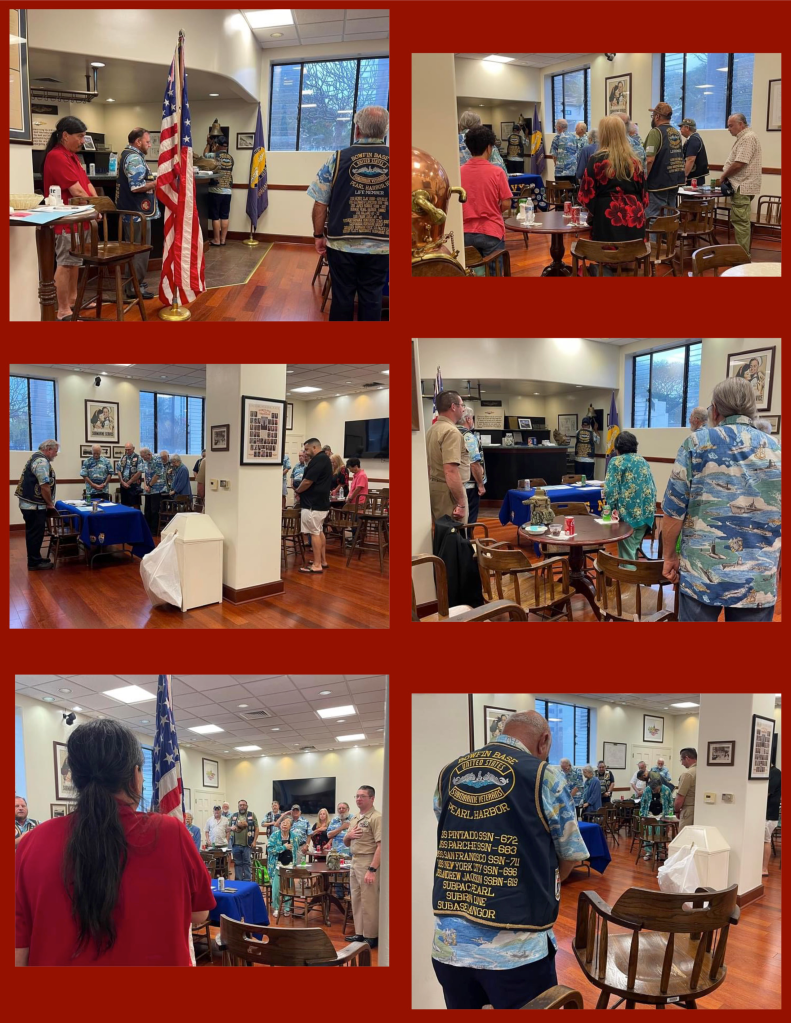
On Friday April 12, 2024 at the Hilton Hawaii Village Coral Ballroom, over 1200 enlisted submariners active and retired, Commander Submarine Force U.S. Pacific Fleet RADM Richard Seif, Submarine Commanding Officers, their spouses, and guests celebrated the 124th Anniversary of U.S. Submarine Force.
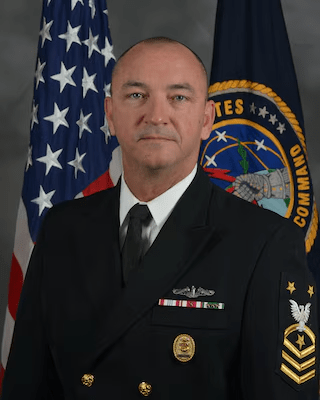
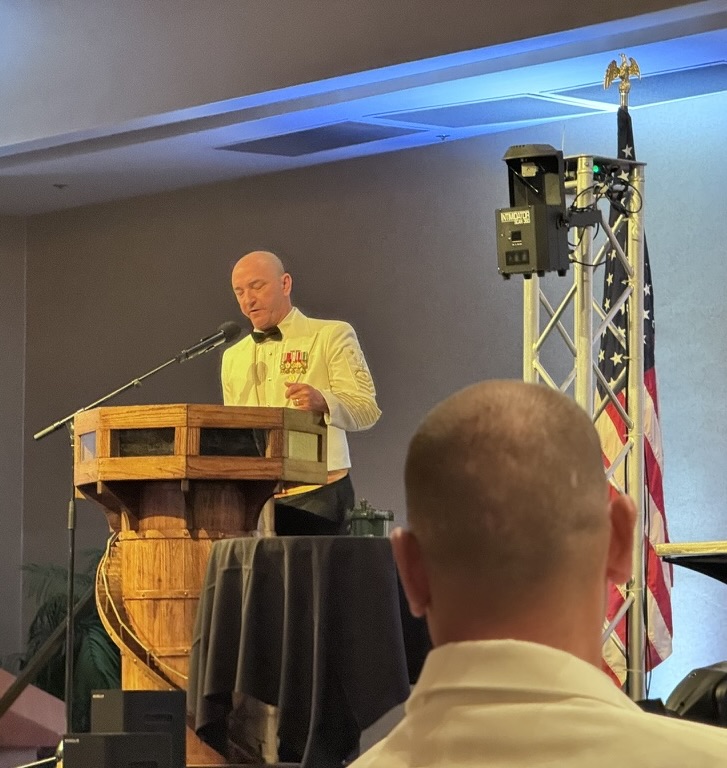
Commander, U.S. Fleet Forces Command Master Chief, FLTCM(SS) John Perryman was this year’s keynote speaker.
Master Chief Perryman served as Chief of the Boat on USS Hawaii (SSN 776), Senior Enlisted Leader on CSP Tactical Readiness Evaluation Team, Command Master Chief for COMSUBGRU SEVEN, Force Master Chief for Commander, Submarine Force Atlantic, and Senior Enlisted Leader for U.S. Strategic Command.
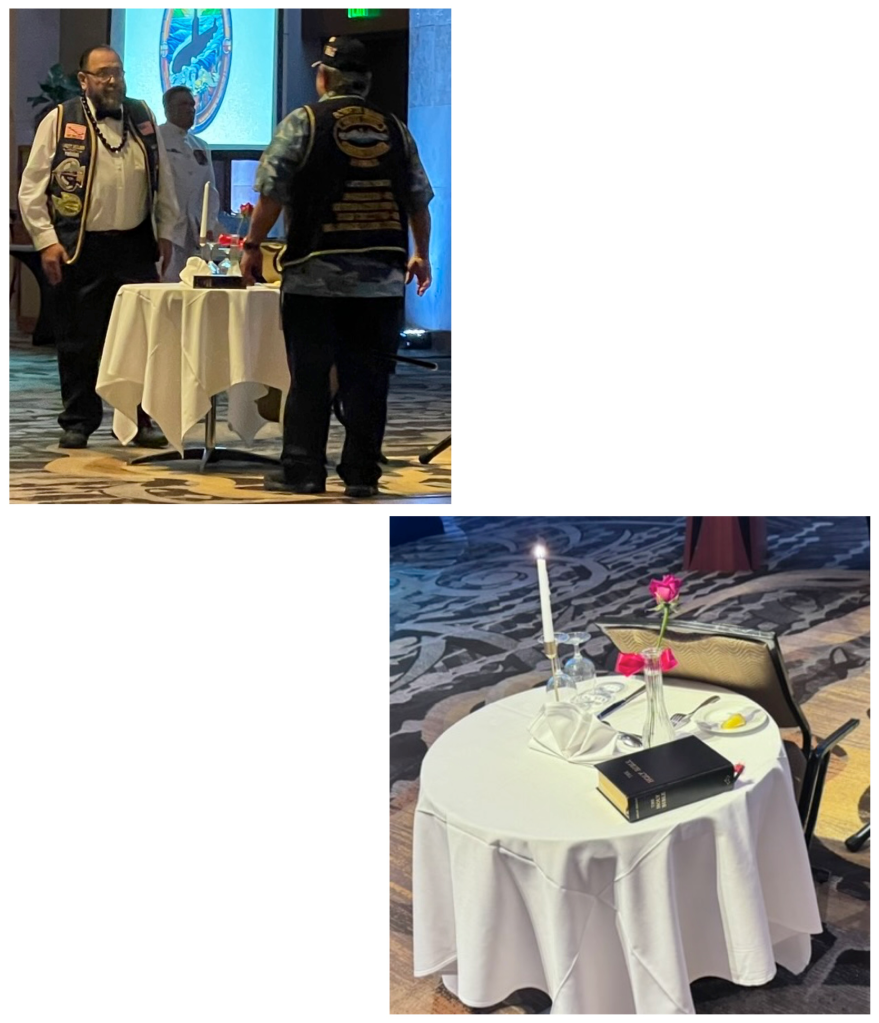
Bowfin Pearl Harbor Base submarine veterans MMC(SS) Ret. Pat Suenaga and YNCS(SS) Ret. Brett Kulbis assisted in the POW/MIA ceremony to honor our missing comrades in arms.
Master Chief Perryman’s remarks, following his wife’s advice of be good, be quick, and be gone, were not only inspirational but were a testament to the his deep appreciation for the enlisted submarine sailors.
Master Chief Perryman compared today’s submariners with the persistence and tenacity of the crew of the USS Archerfish (SS-311) going through four war patrols without a hit. Then on their 5th war patrol sinking the Shinano, the biggest aircraft carrier ever built at the time.
After closing his remarks, he led the 1200 attendees in the first verse of the submarine song.
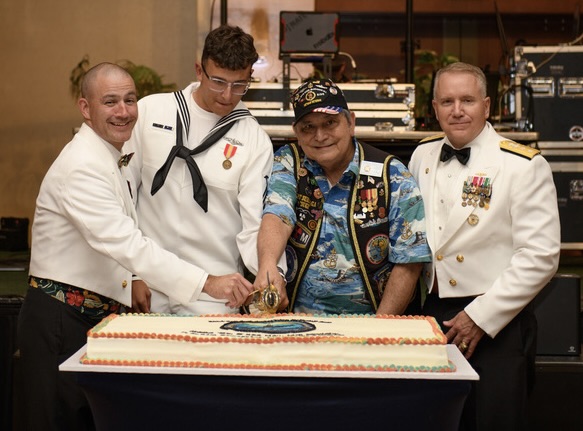
Following dinner, four newly qualified submariners received their dolphins, this also identified not only the newest, but youngest qualified submariner.
Now it was time to identify the oldest qualified submariner active or retired so the birthday cake can be cut. In typical fashion all qualified submariners were asked to stand up by Master Chief Amato (CSS-1). Beginning with 2020 he asked “Anyone qualified after 2020 please sit down.” Working down every 10 years, by time he hit 1990 only two remained, submarine veterans Brett Kulbis and Pat Suenaga. Upon announcing 1980 only MMC(SS) Ret. Pat Suenaga remained.
The 124th Enlisted Submarine Birthday Ball closed in the time honored tradition of recognizing the senior enlisted leaders (COBs and CMDMCs).
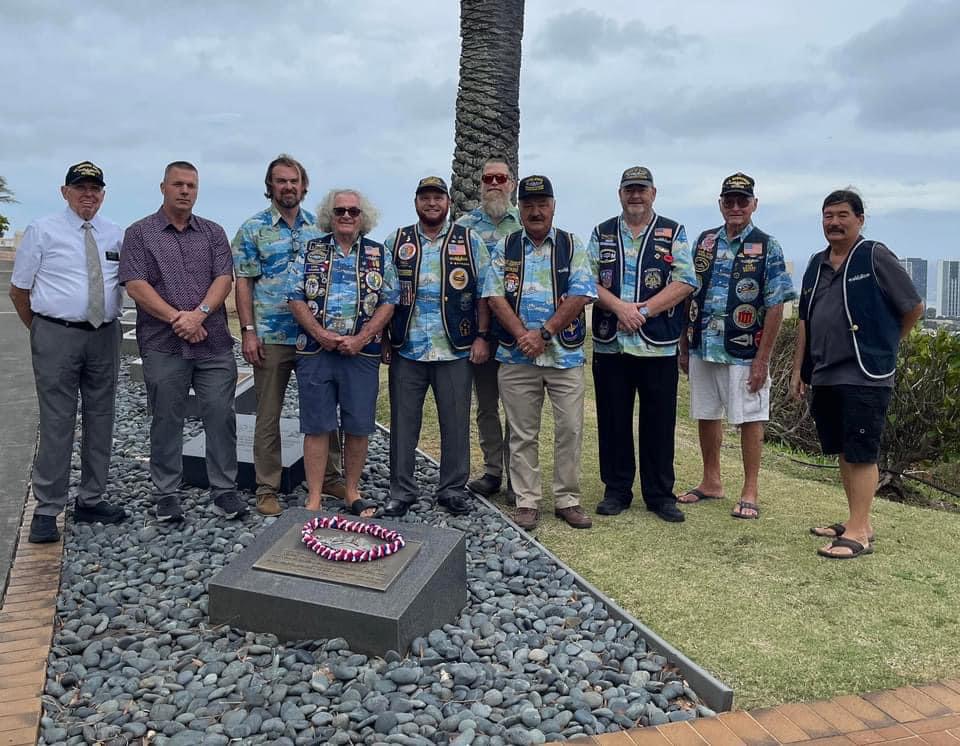
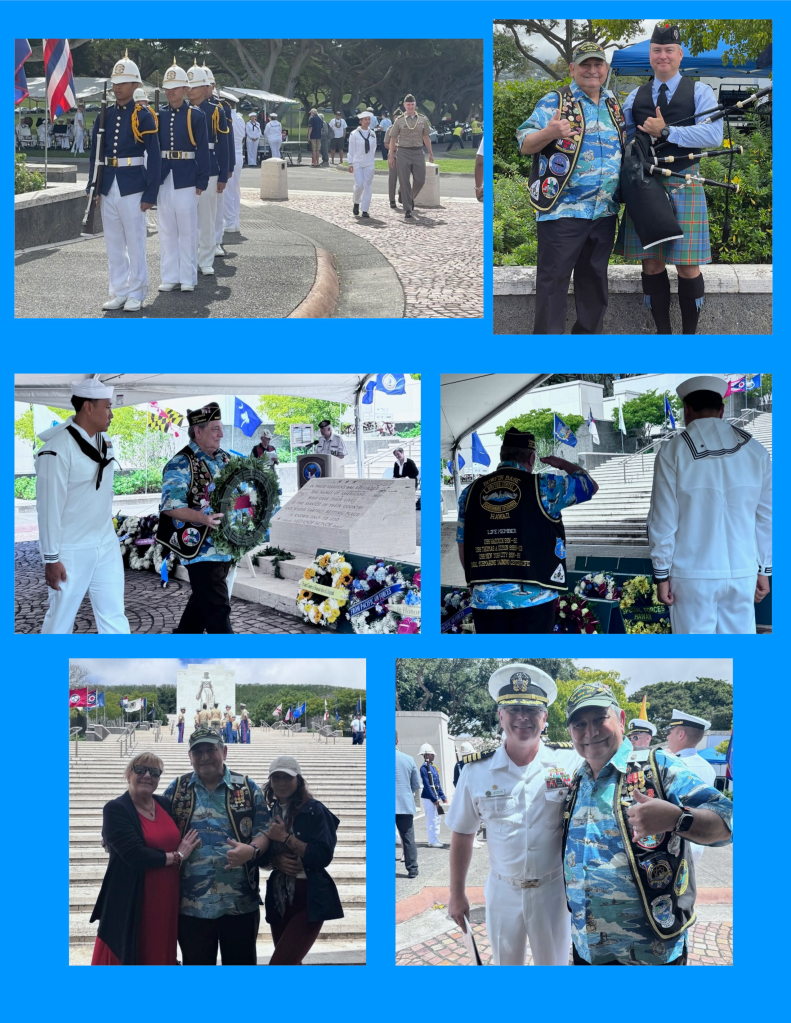
USSVI Bowfin Pearl Harbor Base Veterans conducted their annual re-dedication of the Submarine Veterans Memorial on the Memorial Walk-Way at the National Memorial Cemetery of the Pacific.
“The Submarine Veteran plaque was dedicated and placed here on April 18, 2000 and we conduct a small re-dedication ceremony every year on the anniversary of the U.S. Submarine Force,” said Base Commander Paul Jurcsak.
That’s the question Secretary Carlos Del Toro asked in February, as it emerged that labor shortages were delaying construction on the lead frigate of the Navy’s new Constellation class. But that wasn’t the only program behind schedule, and so Del Toro ordered up a 45-day review of all of his service’s shipbuilding efforts. When the Navy revealed its findings in early April, the study showedevery major program was a year and a half to three years behind schedule.
What comes next isn’t yet clear. “We don’t have detailed plans of action, milestones, initiatives—we are identifying and deeply looking into where we are now in a ‘get real, get better’ approach,” Nickolas Guertin, the Navy’s chief buyer, told reporters at the Pentagon. “We found that we have issues that need to be resolved…But we don’t have all those things completely nailed down yet.”
To perpetuate the memory of our shipmates who gave their lives while voluntarily serving in submarine warfare in the pursuit of their duties while serving their country. That their dedication, deeds and supreme sacrifice be a constant source of motivation toward greater accomplishments. To further promote and keep alive the spirit and unity that existed among submarine crewmen during World War II. To promote sociability general welfare and good fellowship among our members. To pledge loyalty and patriotism to the United States of America and it’s constitution.
1. Bowfin Pearl Harbor Base
Bowfin Meeting – We conducted our April meeting at Clean Sweep Bar, Lockwood Hall. The following members attended – George Barlett, David Bilek, Rodney Boucher, David Danby, Dan Del Monte, Frank Diaz, Karl Dye, Nelson Greer, Gary Johnson, Paul Jurcsak, Brett Kulbis, Ace Parker, Crichton Roberts, Tim Sparks, Pat Suenaga, and Joe Winzenried.
Welcomed Guests – Nancy Kreis, Ozzie Osentosky, Jan McKim, and Chief Phil Moyle.
Binnacle List – Please keep the all our members and their families in your good thoughts and prayers.
Hauʻoli Lā Hānau! Bowfin Birthdays for the month ofApril.
Honoring Veterans
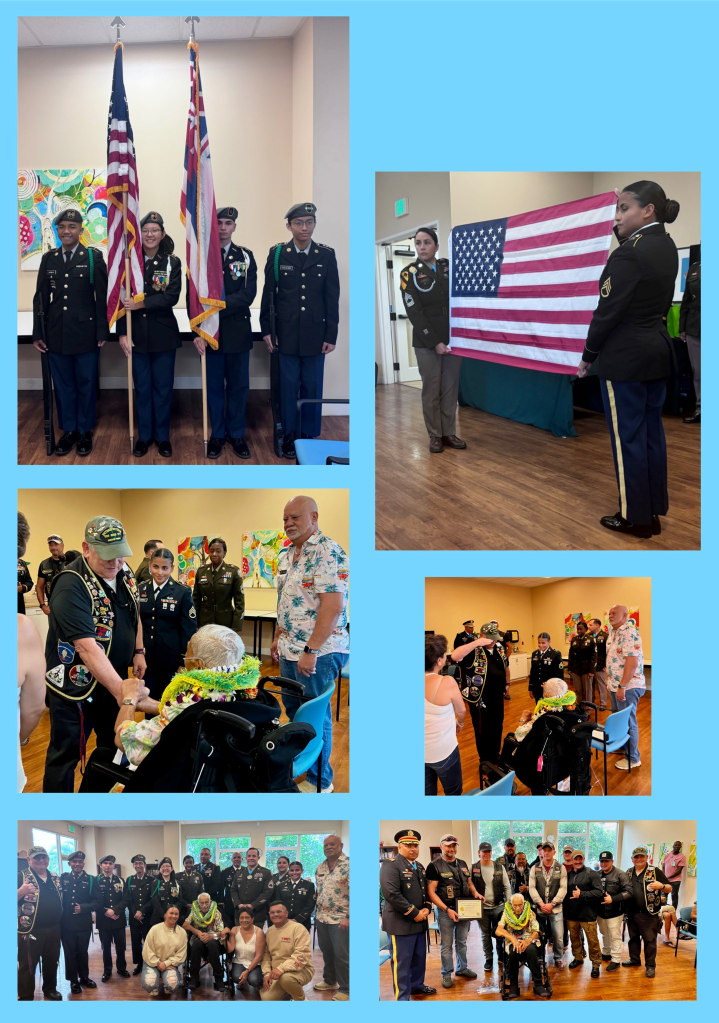
On March 8th SUBVET Pat Suenaga attended Malamo Ola “We Honor Veterans” Ceremony honoring COL (U.S. Army retired) Herbert Kama Yim. His family stated he was honored and touched by everyone’s attendance and honors given to him that day. Sadly he passed away peacefully a few weeks later.
2024 Vietnam Veterans Day Commemoration and Parade
On March 29th SUBVET Pat Suenaga represented Bowfin Pearl Harbor Base at the Vietnam Veterans Day commemoration and parade.
Commemoration at PunchbowlParade in Waikiki
Bowfin Holland Club Members
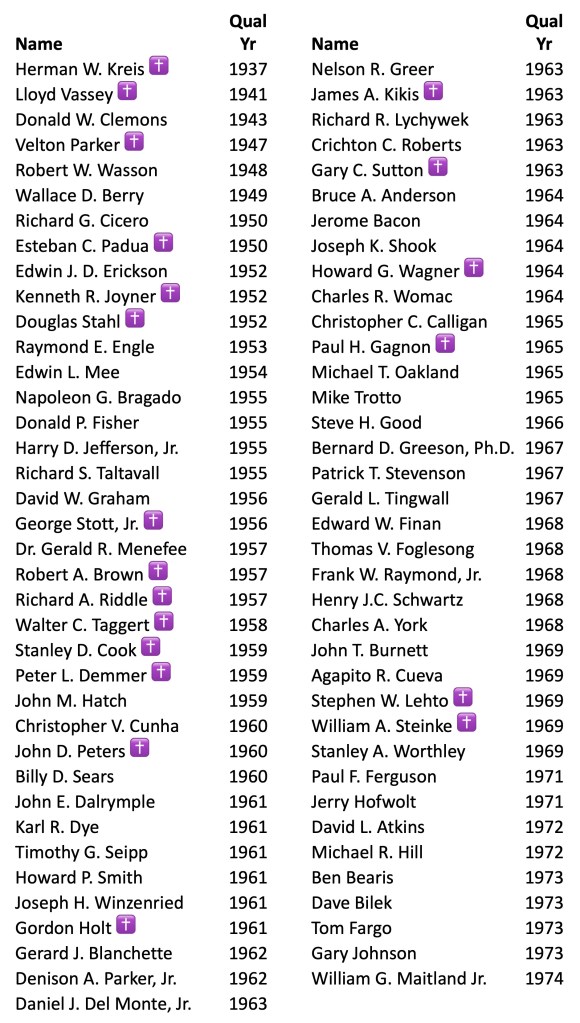
Congratulations to our newest Holland Club inductee:
MSC(SS) Ret. William G. Maitland Jr. Navy career: Joined the Navy in 1973 and retired in 1994 Qualified Submarines: In 1974 on USS Batfish (SSN-681) Boats: USS Memphis (SSN 691), USS Daniel Webster (SSBN 626), USS Baltimore (SSN 704), USS Honolulu (SSN 718), and USS Los Angeles (SSN 688).
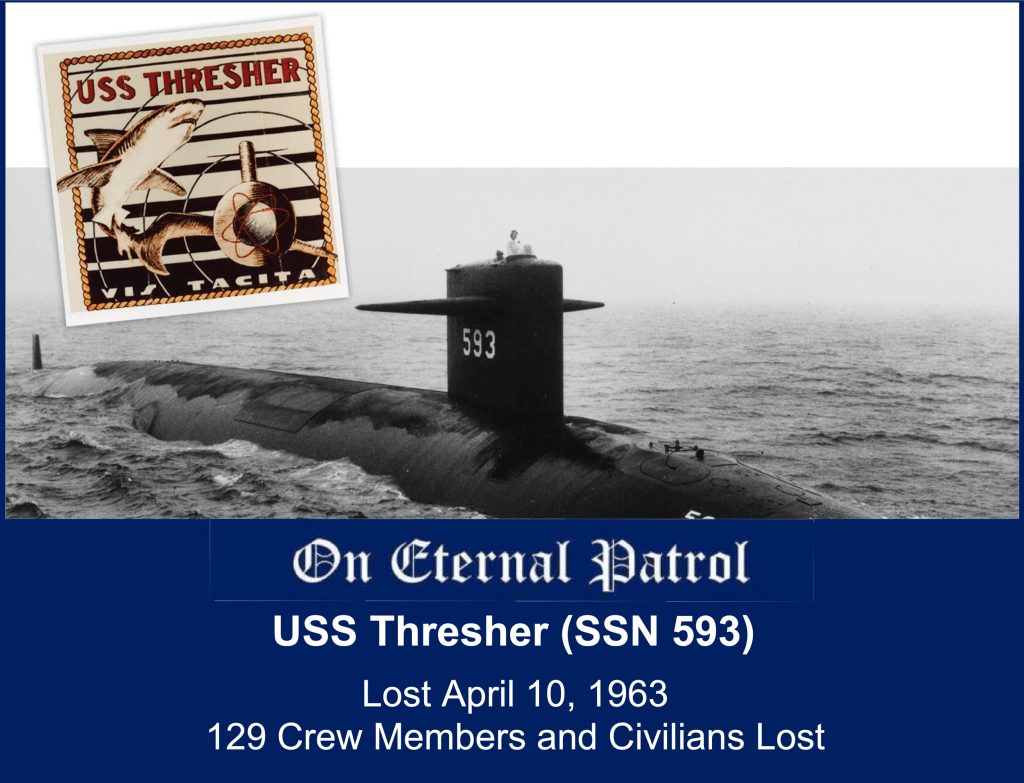
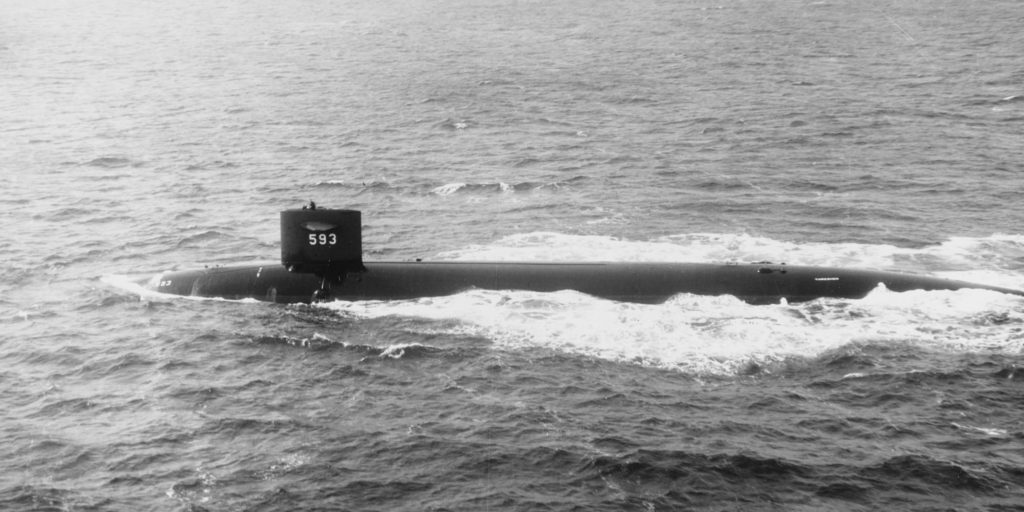
USS Thresher (SSN 593) was laid down on 28 May 1958 by the Portsmouth (N.H.) Naval Shipyard; launched on 9 July 1960; sponsored by Mrs. Frederick B. Warder; and commissioned on 3 August 1961, Commander Dean W. Axene in command.
Following trials the nuclear attack submarine took part in Nuclear submarine Exercise (NUSUBEX) 3-61 off the northeastern coast of the United States from 18 to 24 September.
On 18 October; the submarine headed south along the east coast. After calling at San Juan, Puerto Rico, she conducted further trials and test-fired her torpedo system before returning to Portsmouth on 29 November. The ship remained in port through the end of the year and spent the first two months of 1962 evaluating her sonar system and her Submarine Rocket (SUBROC) system. In March, the submarine participated in NUSUBEX 2-62, an exercise designed to improve the tactical capabilities of nuclear submarines, and in anti-submarine warfare training with Task Group ALPHA.
Off Charleston, the ship undertook operations observed by the Naval Antisubmarine Warfare Council, before she returned briefly to New England waters from whence she proceeded to Florida for SUBROC tests. However, while mooring at Port Canaveral, the submarine was accidentally struck by a tug which damaged one of her ballast tanks. After repairs at Groton, CT, by the Electric Boat Company, the ship returned south for more tests and trials off Key West. Thresher then returned northward and remained in dockyard hands through the early spring of 1963.
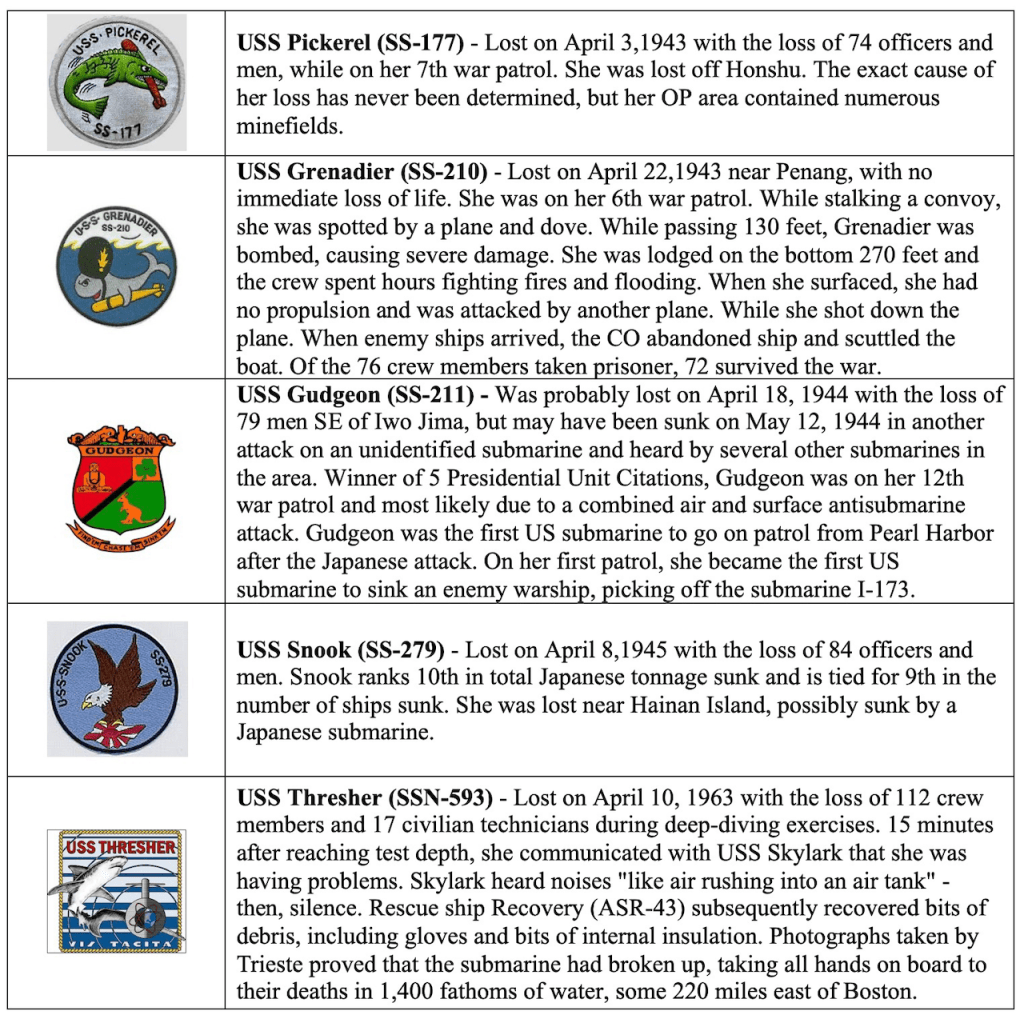
In company with SKYLARK (ASR 20), Thresher put to sea on 10 April 1963 for deep-diving exercises. In addition to her 16 officers and 96 enlisted men, the submarine carried 17 civilian technicians to observe her performance during the deep-diving tests.
Fifteen minutes after reaching her assigned test depth, the submarine communicated with SKYLARK by underwater telephone, apprising the submarine rescue ship of difficulties. Garbled transmissions indicated that – far below the surface – things were going wrong. Suddenly, listeners in SKYLARK heard a noise “like air rushing into an air tank” – then, silence.
Efforts to reestablish contact with Thresher failed, and a search group was formed in an attempt to locate the submarine. Rescue ship RECOVERY (ARS 43) subsequently recovered bits of debris, including gloves and bits of internal insulation. Photographs taken by bathyseaph TRIESTE proved that the submarine had broken up, taking all hands on board to their deaths in 1,400 fathoms of water, some 220 miles east of Boston.
THRESHER was officially declared lost in April 1963.
Submarine Safety (SUBSAFE) – After the Thresher incident, a court of inquiry and the Joint Congressional Committee on Atomic Energy hearings concluded that a flooding casualty in the engine room, resulting from a piping failure in one of the sea-water systems, was the most probable cause. On 3 June 1963, the SUBSAFE program was established within the Bureau of Ships to develop the Submarine Safety Certification Criterion, outlining the minimum actions required to provide a satisfactory level of confidence in the integrity of submarine systems and the adequacy of certain depth-control capabilities. The first effort to apply additional rigor in design, manufacturing, operation, and maintenance to a subset of critical systems within the nuclear submarine, the program’s goal was to provide maximum reasonable assurance of hull integrity to preclude flooding, and the operability and integrity of critical systems and components to control and recover from a flooding casualty, should one occur. The Bureau of Ships issued a certification criterion addressing design, material, fabrication, testing, and record keeping on 20 December 1963.
Since the inception of the SUBSAFE Program in 1963, only one submarine has been lost. USS Scorpion (SSN 589) was lost in May 1968 with 99 officers and men aboard. She was not a SUBSAFE certified submarine and the evidence indicates that she was lost for reasons that would not have been mitigated by the SUBSAFE Program. We have never lost a SUBSAFE certified submarine.
On 10 April 1963, while engaged in a deep test dive, the nuclear submarine USS THRESHER (SSN 593) was lost at sea with all persons aboard. Based on the findings of a Court of Inquiry and the subsequent Joint Congressional Committee on Atomic Energy hearings into the loss of the THRESHER, it was concluded that a flooding casualty in the engine room, resulting from a piping failure in one of the salt water systems, was the most probable cause for the loss.
A THRESHER Design Appraisal Board determined that, although the basic design of this submarine class was sound, measures should be taken to improve the level of confidence in the material condition of the hull integrity boundary and in the ability of submarines to control and recover from flooding casualties. Thus the genesis of the Level I/SUBSAFE Program. The program establishes control for procurement, inspection, certification, test, identification, documentation, record control, storage, issue, turn-in, recall and disposal. Level I/SUBSAFE Stock Program materials are intensively managed and controlled. They require certification with traceable objective quality evidence. Items include submarine hull pressure boundary fittings, high pressure air and gas components, high pressure/temperature steam system components and selected safety related equipment on surface ships and submarines.
Behind many of our artifacts at the Pacific Fleet Submarine Museum is a fascinating backstory. Some of the museum items on display were donated by World War II U.S. submariners and their families (including those of the Bowfin crew).
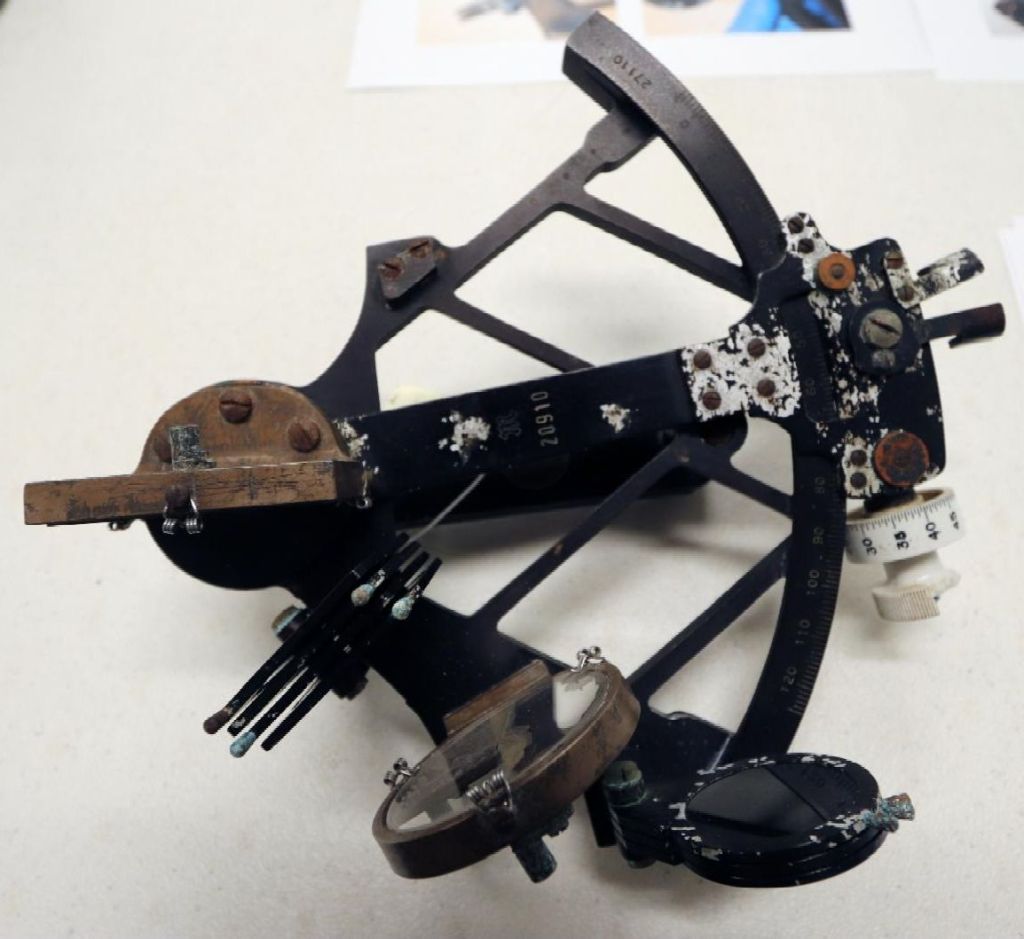
Two pieces of World War II history on exhibit are a sextant and binoculars. Interestingly, they were not used aboard a “friendly” American vessel, but a captured German submarine that made an incredible journey across the Atlantic Ocean from Argentina to the United States.
With the war wrapping up in September 1945, military officials ordered a captured German U-977 submarine be brought back to America to inspect the vessel’s technology (German U-boats were known for their superior design) and showcase the boat to the American public.
A U.S. Navy crew led by U.S Navy Chief Urbaniak was tasked with navigating the captured U-977 to Boston, Massachusetts from Argentina, where the Germans had relinquished control of the boat at the end of World War II.
While the submarine no longer faced the perilous prospect of combat during its trip, the American crew still had the daunting and dangerous task of navigating U-977 – deemed in poor working condition – across the vast Atlantic. The crew spent weeks cleaning, repairing, and learning to operate the unfamiliar German vessel, with U.S. Navy Lieutenant Commander Cooper playing a pivotal role in preparing the vessel for its voyage.
Their dedication was tested further when the vessel’s engines failed at sea, forcing them to make repairs on the open ocean.
Despite the challenges, the crew persevered and finally arrived in Boston in November 1945. The U-977 then went on a “Victory Tour” along the U.S. East Coast, showcasing the captured German technology and raising financial support for the war effort. In November 1946, the sub was sailed to the Portsmouth Naval Shipyard, where it was sunk by the U.S. Navy off the coast of Massachusetts.
Today, the U-977’ssextant and binoculars on display stands as a reminder of its extraordinary voyage to America following the war. These artifacts bring history to life, offering a tangible connection to the past and serving as reminder of the American crew’s resilience and adaptability.
The first recorded submarine attack in naval combat happened in 1776. An American submersible craft dubbed “Turtle” attempted to attach a time bomb to the British flagship called “Eagle,” which was a part of the Boston Harbor blockade.
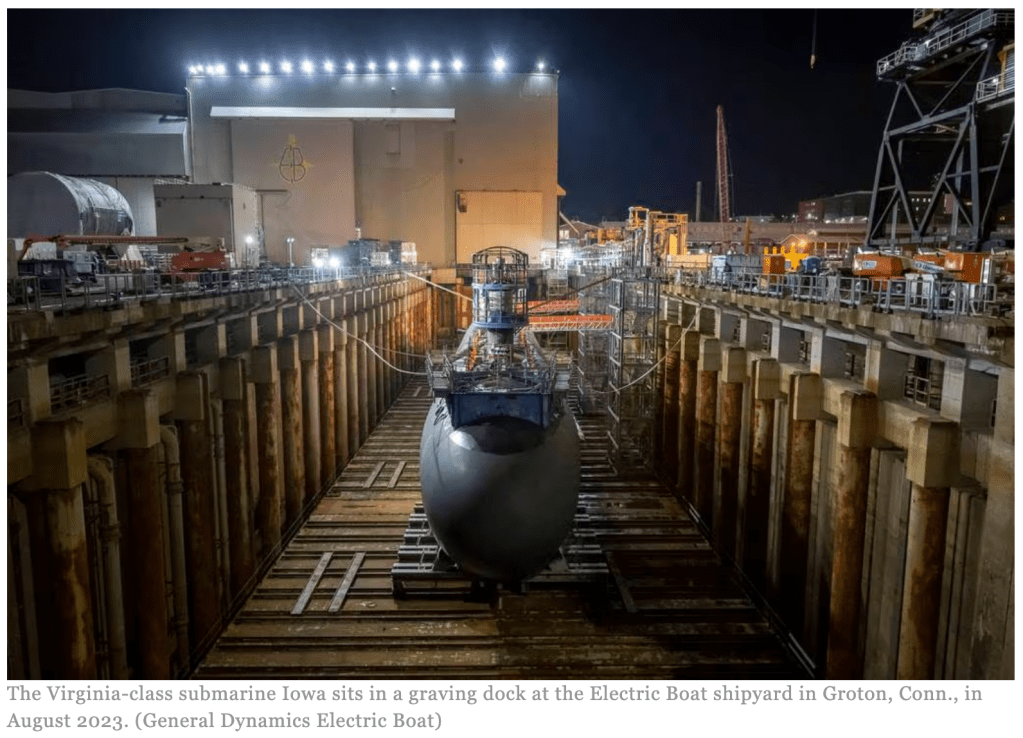
Though that early attempt failed, the desire to improve submersible technology led to today’s nuclear-powered submarines. The U.S. Navy just christened its latest Virginia class fast attack submarine, the USS Idaho, during a ceremony on Saturday, marking it as the 26th boat in its class to be christened.
But, with recent budget cuts, the construction start date of the Navy’s latest class of submarines — the SSN(X) — is delayed until the early 2040s. With the replacement of the Virginia Class submarine being postponed for the third time, the current submarines will remain in active service.









 Bowfin Pearl Harbor Base